Last updated October 15, 2026





Free written scope consultation - allowances, timeline, and change-order rules on paper before a single trade is scheduled
DIY vs Professional Construction: The West Covina Homeowner’s Decision Guide
A West Covina homeowner who replaces their own electrical panel saves about $2,800 in labor on the front end. That same homeowner can face $12,000 to $18,000 in retroactive permit fees, inspections, and remediation work when they sell the house, because California law requires sellers to disclose all unpermitted work and the buyers’ home inspector is trained to find exactly that kind of thing. This guide walks through the real decision framework for West Covina homeowners: not just what you can physically do yourself, but what you can legally do, what it actually costs long-term, and where the smart money draws the line. For more guides & resources, see our blog.
Styles & brands we work with

Quick Answer
Most cosmetic work (painting, trim, minor drywall repair, flooring) is safe and legal for a West Covina homeowner to DIY, while anything touching structure, electrical, plumbing, or gas lines falls under California contractor licensing law and typically requires permits. The decision isn’t just about skill or labor cost; it’s about legal exposure, resale liability, and whether your homeowner’s insurance will cover a loss caused by unpermitted work. A practical middle path exists: you handle demolition, painting, and finish work while a licensed general contractor pulls the permit and manages structural, electrical, and plumbing scopes. Our General Contractor Maintenance Checklist for West Covina Homeowners covers what to verify before any work begins.
Table of Contents
- The California Legal Framework: What You’re Actually Allowed to Do
- Project-by-Project Breakdown: What’s Safe DIY vs. What Needs a Licensed Contractor
- The Hidden Cost Accounting Most DIY Guides Skip
- How West Covina’s Resale Market Penalizes Unpermitted Work
- The Middle Path: Hybrid Projects Where You Do Part, a GC Does the Rest
- Owner-Builder Permits: What You’re Actually Certifying
- Insurance and Liability: What Your Policy Will and Won’t Cover
- Common Mistakes to Avoid
- When to Call a Professional
- Frequently Asked Questions
- The Bottom Line
The California Legal Framework: What You’re Actually Allowed to Do
California Business and Professions Code Section 7048 says a homeowner may act as their own contractor on their own residence, provided the work is for a property they own and occupy (or intend to occupy), and provided they do the work themselves or with their own employees. What the code does not say is that this removes you from liability, permits, or building standards. It simply says you don’t need a contractor’s license to do it on your own house.
Here’s where West Covina homeowners get tripped up: the moment you hire a handyman or a “helper” who is not a licensed contractor, and that person is doing work that requires a contractor’s license (anything over $500 in labor and materials), you are employing an unlicensed contractor. If you’re unsure how to vet a pro, read our guide on How to Hire a Construction Contractor in West Covina: A Step-by-Step Guide. That is a violation of California law, and you become personally liable for workers’ compensation coverage if that person gets hurt on your property. Homeowners’ insurance typically does not cover injuries to unlicensed workers doing construction on your home.
Permit requirements in West Covina follow the California Building Standards Code (Title 24), enforced by the city’s Building and Safety Division. The line that matters most: any project that alters the structure, electrical system, plumbing system, or mechanical systems (HVAC, water heater, gas lines) requires a permit. The permit isn’t optional because you’re doing the work yourself. A permit is required because the work is being done at all.
Beyond permits, West Covina has specific local amendments to state code. For example, the city’s building officials enforce requirements around earthquake strapping for water heaters, seismic retrofitting standards, and specific stucco and roofing material requirements that reflect the region’s climate and seismic profile. A homeowner from another state would not know to check for these. A local contractor does.
One more layer: your lender. If you have a mortgage, your deed of trust likely includes a clause requiring you to maintain the property in compliance with all applicable laws and not to make material alterations without consent. Major unpermitted work can technically trigger a technical default under some loan documents, and while lenders rarely act on it directly, it becomes an issue at refinance or sale.
Project-by-Project Breakdown: What’s Safe DIY vs. What Needs a Licensed Contractor
Here’s a practical breakdown of common West Covina home projects, organized by legal and practical risk. This isn’t about what you can physically do; it’s about what makes sense to do given California law, resale requirements, and the odds of getting it right the first time.
Genuinely Safe DIY in West Covina
- Interior painting – No permit required, low structural risk, high satisfaction. The biggest cost is your time and the quality of paint you choose.
- Trim and baseboard installation – Cosmetic, no permit needed, easily corrected if you miscut a piece.
- Cabinet hardware replacement – Swapping pulls and hinges is a 30-minute job with a screwdriver.
- Caulking and weatherstripping – Straightforward, no permit, and genuinely useful for energy efficiency in West Covina’s hot summers.
- Landscape maintenance and planting – No permit required for non-structural planting, though drainage modifications may require review.
- Interior door replacement (same opening, no structural change) – Pre-hung doors in the same rough opening are generally exempt.
- Fixture swaps (faucet, light fixture, toilet, ceiling fan) – Swapping like-for-like without moving plumbing or electrical connections is generally permitted, though the water heater is a notable exception.
Requires a Licensed Contractor and Permits in West Covina
- Any structural modification – Removing a load-bearing wall, adding a window or door, changing roof framing. This is the highest-liability category. A mistake can compromise the entire structure.
- Electrical panel upgrades or new circuits – This is the one from the opening hook. West Covina requires permits and inspection, and most older homes (pre-1980) have panels that don’t meet current code. Homeowners’ insurance companies increasingly refuse to renew policies on homes with unpermitted electrical work.
- Plumbing changes beyond fixture swaps – Moving a drain line, adding a bathroom, installing a tankless water heater. Water damage from a bad joint can run $15,000 to $40,000 in remediation.
- Gas line work – Anything on the gas side is inherently dangerous. A leak doesn’t just ruin drywall; it can kill. This is not a place for YouTube confidence.
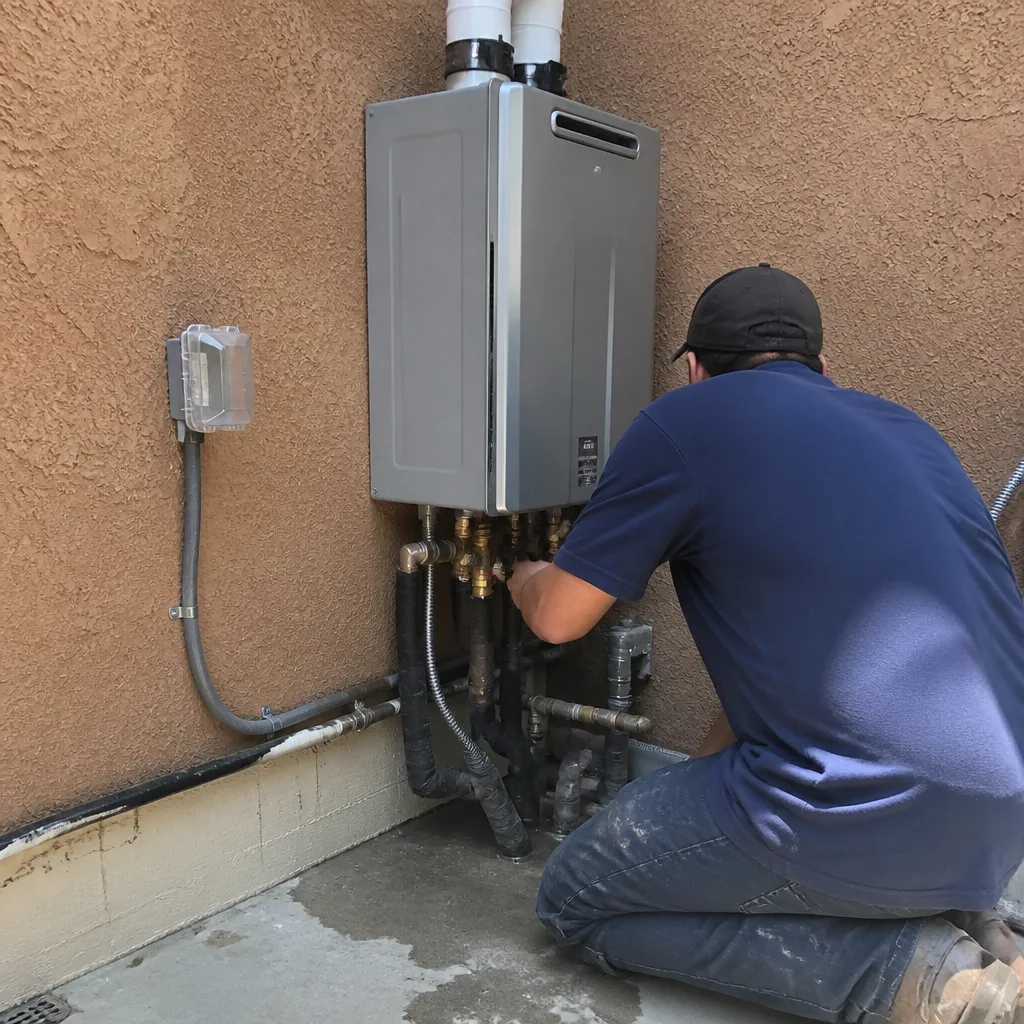
- Water heater replacement – Always requires a permit in West Covina, even like-for-like, because of seismic strapping and venting requirements specific to California.
- Roof replacement – Requires a permit, and the materials you choose must meet West Covina’s specific wind uplift and fire-resistance standards. This isn’t a weekend project and the fall risk is real.
- Bathroom or kitchen remodel that moves walls or plumbing – This is the classic “it looks easy on TV” project that becomes a $30,000 correction when the tile is up and the inspector finds the drain slope is wrong.
We’ve walked through many homes in West Covina where a homeowner started a bathroom remodel with enthusiasm and a good attitude, then called us in month four when the project had stalled. The cost to fix a partially-done DIY project and bring it to code is routinely 20% to 30% higher than what the professional would have charged from day one, because the contractor is now working around your work, fixing your mistakes, and sometimes removing what you installed before starting over.
The Hidden Cost Accounting Most DIY Guides Skip
Every DIY blog starts with the same math: cost of materials plus your labor equals savings. That’s not accounting; that’s optimism. Here’s the real ledger.
- Permit fees – In West Covina, a building permit for a bathroom remodel typically runs $500 to $1,200 depending on scope. Electrical, plumbing, and mechanical permits are often separate and additional. DIY guides almost never include these because they assume you’ll skip the permit. That’s not savings; that’s deferred liability.
- Tool costs – A tile saw for a bathroom floor is $300 to $600 to rent for a week, or $200 to buy a cheap one that will make your cuts slightly wrong. A proper wet saw is $800 to $1,200. Add a grout float, spacers, mixers, levels, and a waterproofing trowel, and you’ve spent $1,000 before you’ve laid a single tile. A contractor amortizes these tools across dozens of projects.
- Material waste – A first-time tile project typically wastes 20% to 25% of the tile due to bad cuts, breakage, and layout errors. A professional plans for 10% to 12%. On a $2,500 tile order, that’s $250 to $325 in extra waste. The pattern repeats across drywall, paint, flooring, and trim.
- Time value – A bathroom remodel that takes a two-person professional crew three weeks takes a weekend homeowner four to six months. During that time, the bathroom is unusable, the house has dust everywhere, and your family is showering at a neighbor’s house. What’s that worth per week?
- Correction costs – When a licensed contractor runs into a problem they created, they fix it on their dime. When a homeowner creates a problem and then calls a contractor, the homeowner pays to have the problem removed before the contractor can even begin. We have charged homeowners to remove improperly installed drywall, misaligned tile, and incorrectly wired outlets before we could start the actual project.
- Insurance gaps – Your homeowners’ policy covers your home as it existed at underwriting. Major unpermitted work can void coverage for related claims. If a DIY electrical connection causes a fire, your insurer may deny the claim outright because the work wasn’t permitted or inspected. That’s not a small risk; that’s losing your house and the insurance payout simultaneously.
Add it up, and a “cheap” DIY bathroom remodel in West Covina often costs 80% to 90% of what a professional remodel would have cost, before accounting for the value of your time, the risk to your insurance, and the resale liability we discuss next.
How West Covina’s Resale Market Penalizes Unpermitted Work
West Covina’s housing stock skews older: a large share of the single-family homes were built between 1950 and 1980, which means most of them have unpermitted work from multiple owners over multiple decades. This creates a specific market dynamic: local buyers, their agents, and especially their inspectors are extremely attuned to signs of unpermitted work, because they see it in nearly every transaction.
Here’s how it plays out in practice. When you sell a home in California, the Transfer Disclosure Statement (TDS) and the Seller Property Questionnaire ask specifically about any work done without permits. Lying on these forms is fraud, and buyers have up to three years to pursue a seller for non-disclosure in many cases. This isn’t a hypothetical; real estate attorneys in Los Angeles County handle these cases routinely.
When an inspector flags unpermitted work (and they will – they look for newer electrical panels without city inspection stickers, added bathrooms that don’t appear on county records, water heaters installed without straps), the buyer has leverage. And they use it. The typical outcome is a price reduction of 1.5 to 3 times the cost of the retroactive permit and remediation. Unpermitted room additions in West Covina are the extreme case: buyers often require the seller to either legalize the addition (which can mean opening walls for inspection, upgrading to current code, and paying back permit fees) or reduce the price by the entire appraised value of that square footage.
The $2,800 electrical panel savings from the opening of this guide becomes a $12,000 to $18,000 liability at resale because: the city will require the panel brought to current code before issuing a retroactive permit, which often means a new panel anyway; the buyer’s lender may require the permit closed before funding; and the buyer knows all of this and prices it into their offer.
And don’t think you can just not disclose. West Covina’s older housing stock means every inspector working this market has seen dozens of unpermitted additions, modified garages, and converted patios. They know the signs: permit history that doesn’t match the house layout, walls where the tax assessor’s floor plan shows none, electrical panels with no inspection sticker, square footage on the listing that doesn’t match county records. In our experience working with general contractor services in West Covina, the homeowners who call us to legalize unpermitted work before listing consistently come out ahead of those who try to sell as-is.
The Middle Path: Hybrid Projects Where You Do Part, a GC Does the Rest
There’s a third option between “do it all yourself” and “write a big check.” It’s called a hybrid project, and it’s legal, common, and far more practical than most DIY guides acknowledge. Here’s how it works.
A licensed general contractor pulls the permit, manages the schedule, and performs (or subcontracts) the structural, electrical, plumbing, and mechanical scopes. You, the homeowner, take on the scopes that don’t require a license or permit: demolition (in most cases), painting, finish trim, hardware installation, and some flooring. You save 15% to 25% of the total project cost, and the permitted work is legal, inspected, and insurable.
Here’s the step-by-step of what a hybrid arrangement looks like for a typical West Covina bathroom remodel:
- Written agreement and permit – The contractor provides a written price for the licensed scopes, the city issues the permit, and everyone knows exactly who is doing what before work begins. At Mason Remodeling Co West Covina home, a written price before any work starts is standard on every project, including hybrid ones.
- Demolition phase – You remove the old tile, vanity, and flooring, following the contractor’s guidance on what’s structural (don’t touch it) and what’s cosmetic (have at it). This saves $800 to $1,500 in labor.
- Rough-in phase – The contractor handles framing, plumbing rough-in, electrical, and waterproofing. These scopes are where the liability lives and where permits and inspections matter most.
- Your finish work – After the contractor sets the tub or shower pan, installs drywall, and completes waterproofing, you paint the walls, install the trim, do the caulking, and hang the mirror.
- Final inspection – The contractor schedules and attends the city’s final inspection, because the permit is in their name and the city requires the permit holder present.
This approach works especially well in West Covina’s housing market because it keeps the permit clean, the warranty intact, and the cost down, while still giving you the satisfaction of putting real work into your own house. It’s the arrangement we recommend most often to homeowners who want to be involved but don’t want the liability.
Owner-Builder Permits: What You’re Actually Certifying
When you pull an owner-builder permit in West Covina, you’re signing a document that certifies two things: first, that you own and occupy the property; second, that you are doing the work yourself or with your own employees. The second certification is where West Covina homeowners get into trouble.
An owner-builder permit does not allow you to hire an unlicensed handyman to do the work for you. If you hire unlicensed help on an owner-builder permit, you’re violating the terms of the permit and California contractor law. If that worker is injured on your property, you are personally liable for their medical care, lost wages, and disability, because they are legally considered your employee. Workers’ compensation insurance for a construction employee in California costs $8 to $15 per $100 of payroll, and if you skip it, you’re on the hook for the full cost of any injury.
There’s another wrinkle West Covina-specific: owner-builder permits flag the property in city records. When you sell within 12 months of completing an owner-builder project, California Civil Code requires you to disclose that the work was completed under an owner-builder permit, which is effectively a red flag for buyers and their inspectors. It doesn’t mean the work was bad, but it shifts the burden of proof: the buyer’s inspector will look harder, and the buyer will negotiate harder.
For most homeowners, the owner-builder route only makes sense for genuinely small scopes: a water heater swap done by a homeowner who has done one before, a simple bathroom refresh with no plumbing movement, a fence replacement. The moment the project touches electrical, gas, or structure, the permit holder is taking on risk that no sensible homeowner would accept to save a few thousand dollars.
Insurance and Liability: What Your Policy Will and Won’t Cover
Your homeowner’s insurance policy is not a blank check. It’s a contract with specific exclusions, and unpermitted work is one of the things insurers look for when a claim is filed. Here are the scenarios that actually happen in West Covina:
- A DIY water heater replacement leaks and floods the garage. The insurer investigates, finds no permit on file, and denies the claim for the water damage because the loss was caused by unpermitted work performed by the policyholder. You’re now paying for the remediation yourself.
- A DIY bathroom remodel includes a new shower pan that eventually leaks into the ceiling below. Your policy covers sudden and accidental water damage, but not damage caused by faulty workmanship. If the work wasn’t permitted or inspected, the insurer has an easier case to deny the claim.
- An unlicensed worker falls off your roof and breaks his leg. Your insurer denies the liability claim because the policy excludes injuries to workers performing construction on the property unless a workers’ comp policy was in place. You’re personally sued.
- A licensed contractor with a permit makes a mistake that causes damage. The contractor’s liability insurance covers it. This is the entire point of hiring a licensed, insured contractor.
The insurance angle is not about being punitive; it’s about understanding that DIY work shifts risk from an insurer to you personally. Professional work with permits shifts that risk to the contractor’s policy. In a city with as many older homes as West Covina, where water intrusion, electrical issues, and seismic damage are live risks every year, that shift matters more than in places where houses are newer and codes are looser. Our Seasonal Construction Care for West Covina: Year-Round Homeowner’s Guide breaks down what to watch for each season.
Common Mistakes to Avoid
- Assuming “I own it, so I can do anything.” California lets you act as your own contractor, but it doesn’t exempt you from permits, building codes, or disclosure obligations at sale. The ownership exemption is about licensing, not legality.
- Hiring a handyman for a job that needs a licensed contractor. In West Covina, any project over $500 in labor and materials that affects structure, electrical, plumbing, or mechanical systems requires a licensed contractor’s permit. A handyman who says “I do this all the time without permits” is asking you to absorb the risk.
- Starting demo before the permit is issued. The city can issue a stop-work order, and some inspectors will require you to open up finished work if it was covered before inspection. Always pull the permit first.
- Skipping waterproofing in a bathroom remodel because the tile “looks fine.” The tile is not the waterproofing. The waterproofing is the membrane under the tile. We’ve fixed dozens of West Covina bathrooms where water migrated through grout joints and rotted the subfloor because no waterproofing membrane was installed.
- Underestimating the calendar. A DIY bathroom takes 4 to 6 months of weekends. A professional crew does it in 3 to 4 weeks. If you have one bathroom, the DIY route means months without a shower in your own house.
- Not budgeting for the correction call. It’s not “if something goes wrong,” it’s “when.” The question is whether you have a contractor’s number on speed dial and a contingency budget, or whether you’re figuring it out in the dark.
- Treating a permit as optional paperwork. A permit is an insurance policy against mistakes. The inspection catches problems before they become disasters. Skipping it is gambling, and the house is the stake.
When to Call a Professional
You should call a licensed contractor when the project touches structure, electrical service, plumbing rough-in, gas lines, roofing, or any scope that requires a permit in West Covina. You should also call when the project timeline matters, when the house is your primary residence and you need it functional, or when you’re planning to sell within five years and want a clean permit history. If you’re not sure which category your project falls into, Mason Remodeling Co West Covina’s home remodeling team offers free estimates in West Covina and will give you an honest read on what needs a licensed hand and what you can safely do yourself. Call (707) 760-7579 and a live person will answer.
Frequently Asked Questions
General contractor labor in West Covina typically runs $75 to $150 per hour for smaller scopes, while full remodel projects are usually priced per project: $18,000 to $35,000 for a mid-range bathroom remodel, $40,000 to $90,000 for a kitchen remodel, and $150,000 to $300,000 for a whole-home remodel, depending on finishes and square footage. The range is wide because material choices drive a lot of the cost; a Kohler or Moen faucet at $350 changes the budget less than a $12,000 custom vanity. Call (707) 760-7579 for a written, itemized quote on your specific project; estimates are free.
Yes, if the remodel moves any plumbing, electrical, or structural elements, replaces the shower pan, or changes the venting; a permit is required by West Covina’s Building and Safety Division. A cosmetic refresh (new vanity in the same location, new faucet, paint, same-location fixture swaps) generally does not require one. When in doubt, call the city or ask a licensed contractor to pull the permit for you.
California law requires you to disclose all unpermitted work on the Transfer Disclosure Statement, and buyers’ inspectors in West Covina are specifically trained to identify it because of the city’s older housing stock. The typical outcome is a price reduction of 1.5 to 3 times the retroactive permit and remediation cost, because the buyer knows they’ll inherit the problem. Legalizing work before listing usually costs less than the concession you’ll make at the negotiating table.
Yes, this is a hybrid project arrangement and it’s perfectly legal as long as the contractor pulls the permit and handles all licensed scopes. You can save 15% to 25% on labor by doing demo, painting, trim, and finish work yourself, and the permit stays clean because the licensed contractor’s name is on it. At Mason Remodeling’s bathroom remodeling service in West Covina, we write hybrid arrangements into the contract so both parties know exactly who does what.
It is illegal to hire an unlicensed person for any project over $500 in labor and materials that requires a contractor’s license, which covers most remodeling work beyond simple repairs. You become responsible for workers’ compensation if they’re injured, and your homeowner’s insurance likely won’t cover damage caused by unlicensed work. For anything beyond minor repairs, hire a licensed general contractor with their own insurance and workers’ comp.
A typical West Covina bathroom remodel handled by a professional crew takes 3 to 4 weeks from demo to final inspection, assuming no hidden structural issues are found when walls come open. The same project done nights and weekends typically takes a homeowner 4 to 6 months. The difference is not just speed; it’s that the professional timeline includes the city inspection schedule, which has its own lead times and cannot be compressed by working harder.
The Bottom Line
The DIY decision in West Covina isn’t about whether you’re capable; it’s about whether you’re willing to carry the legal, insurance, and resale liability that comes with unpermitted work in a city where buyers and inspectors expect to find it. Paint the walls, swap the faucet, install the trim. But when the project touches structure, electricity, plumbing, or gas, the licensed route with permits and inspections is not the expensive option; it’s the cheaper option once you account for what unpermitted work costs at sale. And the hybrid path is there for homeowners who want both: your sweat on the finish work, a licensed contractor’s name on the permit, and a written price before anyone swings a hammer.
Written by Isaac Pruett, Owner at Mason Remodeling Co West Covina, serving West Covina since 2004.
See the difference
 Before
 After
After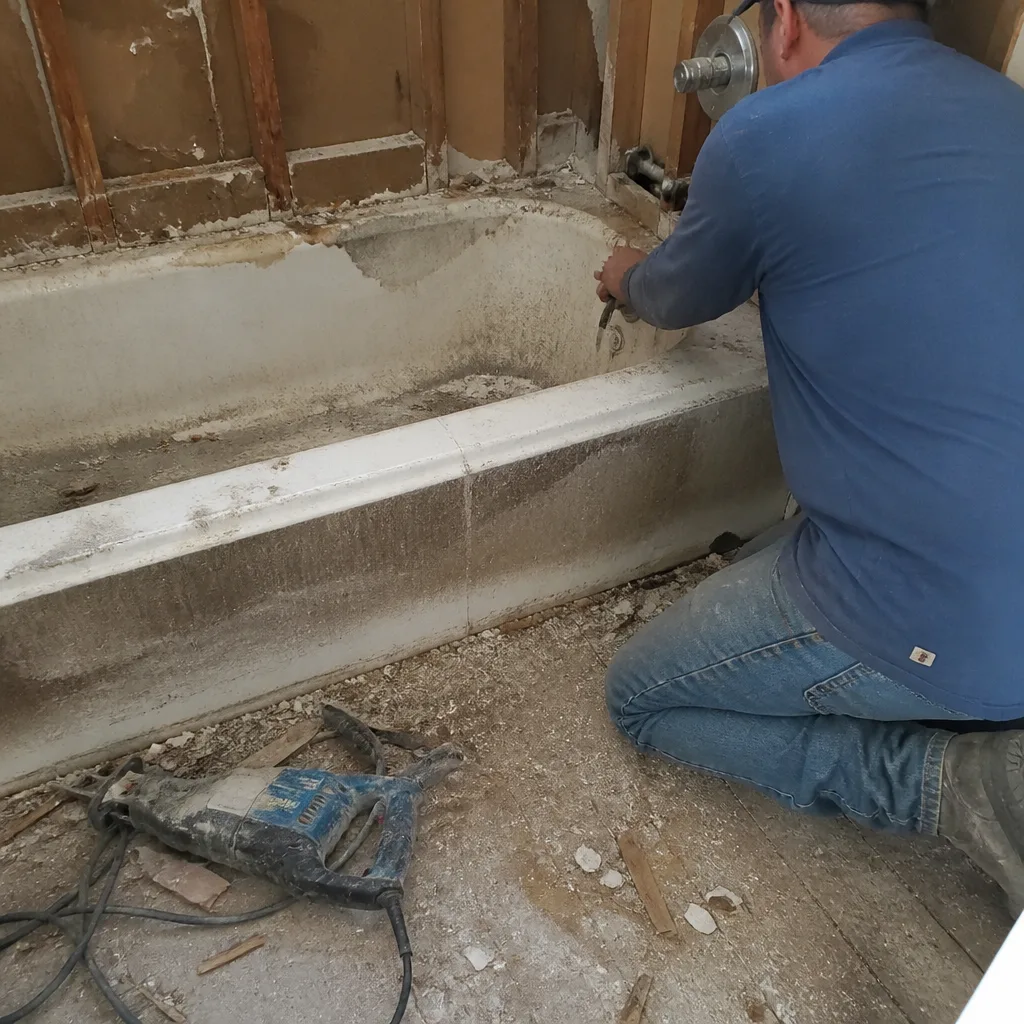 Before
 After
After Before
 After
After