Last updated October 15, 2026






Free written scope consultation - allowances, timeline, and change-order rules on paper before a single trade is scheduled
Construction Warning Signs: A West Covina Homeowner’s Reference Guide
Here’s a number that should worry every West Covina homeowner: according to the California Contractors State License Board, more complaints are filed against licensed contractors than unlicensed ones. That doesn’t mean the license is worthless. It means the license is the floor, not the ceiling. The real construction warning signs in West Covina aren’t the obvious frauds. They’re the legal, defensible, contract-shaped moves that cost you $10,000 to $40,000 after the handshake feels warm. This guide will teach you to spot those moves before you sign, while you still have leverage. We’ve built and remodeled homes across West Covina since 2004, and we’ve watched too many good people learn these lessons the expensive way.
Styles & brands we work with


Quick Answer
The most dangerous construction warning signs in West Covina are not door-knockers or cash-only deals. They’re warning signs hiding inside licensed, bonded, positively-reviewed companies: contracts with undefined change order rates, “allowance” prices that can double at selection time, crews that don’t match who you were promised, and permits that never get posted. A legitimate contractor gives you a written price before work starts, puts change order formulas in writing, and tells you exactly who is coming to your door. If any of those pieces is missing, you have a warning sign, not a formality problem.
Table of Contents
- Contract Red Flags That Licensed Contractors Use
- On-Site Behavioral Warning Signs
- How to Tell a Legitimate Price Increase From a Squeeze Play
- How West Covina’s Older Housing Stock Gets Used Against Homeowners
- What to Do When Warning Signs Show Up Mid-Project
- What West Covina Permits and Codes Actually Require
- Common Mistakes to Avoid
- When to Call a Professional
- Frequently Asked Questions
- The Bottom Line
Contract Red Flags That Licensed Contractors Use
The contract is where most West Covina homeowners lose their money, and the losses are almost always legal. A licensed contractor who has done this for years knows exactly which lines to leave out. The absence of a line is not an oversight. It’s a decision.
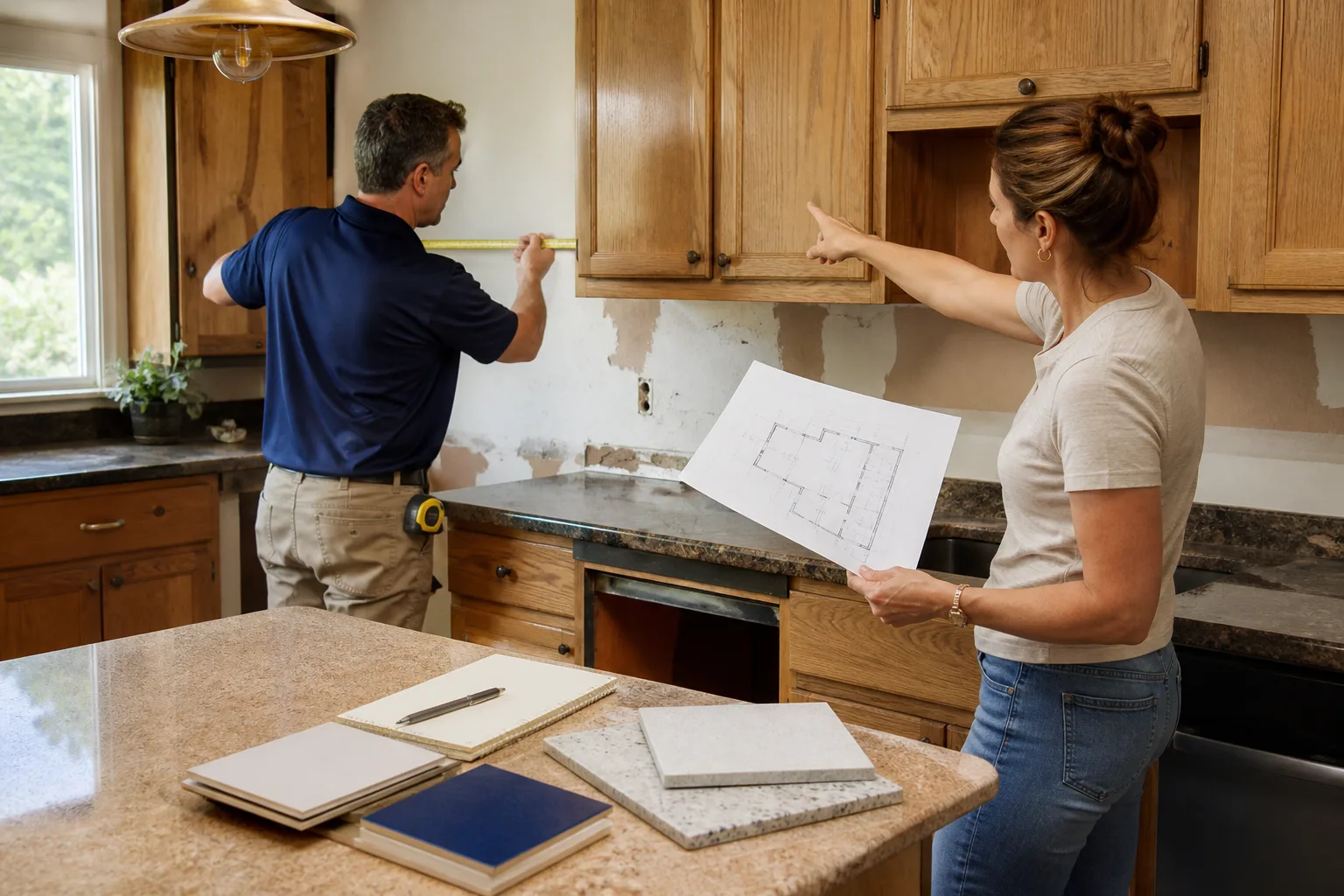
Undefined change order rates. This is the one that turned a routine kitchen remodel in West Covina into a $34,000 remediation. The contract said the contractor would perform “additional work at standard rates.” Standard rates for whom? At what markup? On what labor classification? The homeowner discovered the answer midway through the job: $185 per hour for a laborer who would have cost $55 an hour on a clearly priced contract. Here’s the fix in one line: make sure your contract defines the markup percentage on change orders before you sign. Something like “all change orders priced at cost plus 12%, with itemized invoices for all materials and labor.” If the contractor won’t put that in writing, you are paying for the privilege of being squeezed later.
Vague “allowance” pricing. Allowances are standard in remodeling. But a legitimate allowance has a specific dollar amount attached to it. “Flooring allowance: $12,000.” A contractor who writes “flooring allowance: TBD” or “allowance to be determined at selection” is not giving you a price at all. They’re giving you a range that runs from $8,000 to $38,000, and when you fall in love with a tile at the showroom, you’ll discover the allowance covers the cheap stuff. This is where a written, line-item price before work starts is not a luxury. It’s the whole ballgame.
No completion milestone definitions. “Job to be completed in a reasonable timeframe” is not a contract term. It’s an invitation to start your project, demo your kitchen, and then vanish for six weeks while the contractor takes another job. A real contract defines what “complete” means at each phase: demolition done, rough-in done, drywall hung, inspection passed. It also defines what happens when the schedule slips: a written notice, a revised timeline, and a conversation about what’s causing the delay. If the contractor pushes back on defining milestones, you’re not being asked to trust. You’re being asked to be vulnerable.
We’ve said it a thousand times in our general contracting work in West Covina: the written price isn’t a formality. It’s the single strongest consumer protection available in residential construction. No line item, no leverage.
Four Contract Lines Every West Covina Homeowner Should Demand
- Change order formula in writing. Cost plus a defined markup, with itemized backup. Not “standard rates.”
- Defined allowances with dollar figures. Every allowance line gets a number. “TBD” is a red flag.
- Completion milestones. What “done” means at each phase, and what happens when a date slips.
- Payment schedule tied to milestones. Money releases when work verifiably completes. Not before.
On-Site Behavioral Warning Signs
The contract is one layer. The job site is another. And some of the clearest warning signs in West Covina show up the first morning the crew arrives. You’ll see them in the first ten minutes if you know what to look for.
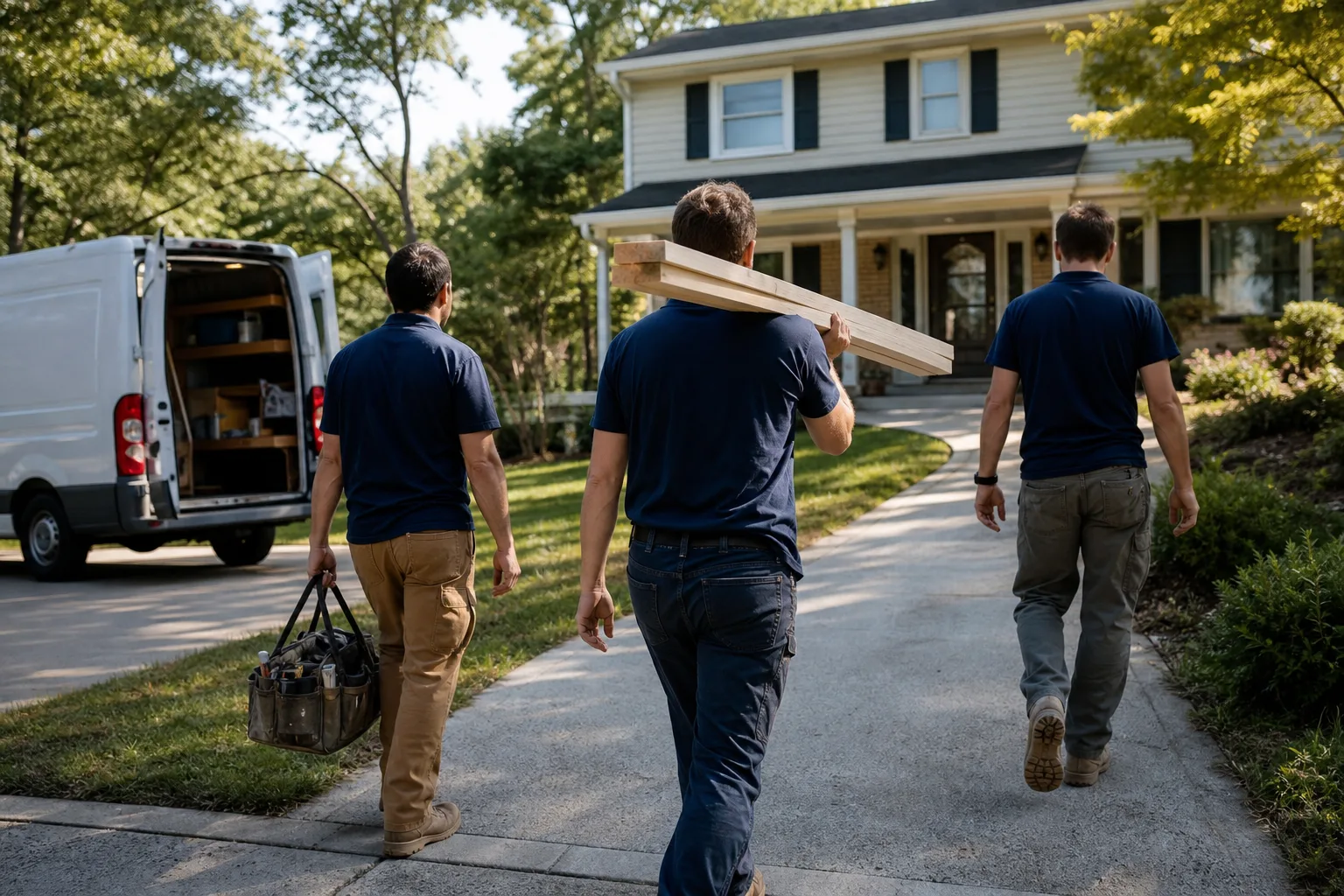
Nobody introduces themselves. This is not about manners. It’s about accountability. A crew that shows up at your door without names, without faces you’ve been shown in advance, is a crew you cannot properly vet. You don’t know who is entering your home, who is around your children, who has access to your keys. It’s telling that in our own work, every technician is background-checked, identity-verified, and introduced to the homeowner by name and photo before the visit. When we say our crews wear name badges and marked uniforms and arrive on time, we’re describing something that shouldn’t be rare. It should be the floor. If the crew at your door doesn’t match that description, you have a warning sign.
No permit posted. West Covina requires permits for most construction work: structural changes, electrical, plumbing, mechanical, additions, and many remodels. When a permit is pulled, the city requires it to be posted on the job site. If there’s no permit posted, ask why. Sometimes there’s a legitimate answer: the permit is in the truck, it hasn’t been printed, the city is running behind. But if the answer is vague, repeated, or comes with pressure to “not worry about it,” that’s a serious problem. An unpermitted job in West Covina can mean city stop-work orders, fines, and a disclosure nightmare when you sell the house.
Materials don’t match the scope. You’re paying for a roof with specified underlayment and flashing. The crew shows up with a different brand, a thinner gauge, a cheaper material. Maybe they tell you it’s “just as good.” Maybe they don’t mention it at all. That’s not a preference. That’s a substitution, and substitutions are one of the oldest games in construction. In our home remodeling projects across West Covina, we’ve seen homeowners discover that the tile they selected was swapped for a near-match, the lumber was a lower grade, or the waterproofing membrane was an off-brand. If the material on site doesn’t match the material on your written quote, stop the work and ask. Every time.
How to Tell a Legitimate Price Increase From a Squeeze Play
Here’s the truth most contractors won’t tell you: some mid-project price increases are legitimate. Older West Covina homes hide things inside walls. Termite damage in the framing, rotted subfloor under the tub, wiring that hasn’t been touched since the Eisenhower administration. When a contractor opens a wall and finds a problem, the fix costs money. That’s not a squeeze. That’s construction.
The difference between a legitimate price increase and a squeeze play comes down to documentation. A legitimate contractor shows you the problem. You can see it. You can take a photo of it. They bring you an itemized change order: materials, labor hours, disposal, a defined markup. They let you get a second opinion if you want one. And they predicted the possibility in the contract, with a defined process for handling concealed conditions.
A squeeze play is different. A squeeze play is “we hit an unexpected issue, we’ll need another $12,000, and we’ll keep working to stay on schedule.” The problem is described in general terms. The paperwork never catches up. The urgency is used as leverage: pay now or the project stalls. And it usually happens at the exact moment you’re most committed: kitchen demoed, bathroom gutted, family living in the living room.
Here’s the pre-negotiation that prevents most of this: include in the contract a clause that defines how concealed conditions will be handled. Something like “concealed conditions will be documented with photos, discussed with homeowner, and priced as a written change order with itemized backup before work proceeds.” If the contractor balks at that, you’ve learned something important before you’ve spent a dollar.
How West Covina’s Older Housing Stock Gets Used Against Homeowners
West Covina’s housing stock is not one thing. The city has tracts of 1950s and 1960s ranch homes, some 1970s and 1980s two-stories, and pockets of newer construction scattered throughout. What most of those homes share is age. Age means texture. Age means layers. Age means the walls are holding things that were legal when the house was built but are not legal now.
That’s real. But it’s also a cudgel. A contractor who wants to pad a bill will tell you the house is “old” and “everything needs to be updated to code.” Sometimes that’s true. Sometimes it’s a way to turn a $25,000 bathroom remodel into a $60,000 project. The distinction is whether the work is actually required by code for the specific scope of work being done versus being recommended as an upgrade while everything is open.
West Covina follows the California Building Code, with local amendments. When you open a wall for one purpose, often you are required to bring certain items up to code while the wall is open. But the scope matters. Rewiring a single bathroom is different from rewiring the whole house. Replacing a section of cast-iron drain pipe is different from replacing the entire drain system. A good contractor will tell you what’s required versus what’s recommended, and let you decide. A contractor using your home’s age to justify surprise costs will blur that line deliberately.
The pre-negotiation here is simple: agree in writing on how concealed conditions and code-triggered upgrades will be handled. If the contract says “price includes all work required by code for the defined scope,” the contractor has no open door to pad the bill with “while we’re in there” extras. If the contract is silent on code-triggered work, you’re buying a lottery ticket you don’t want to win.
What to Do When Warning Signs Show Up Mid-Project
The instinct when a project starts going sideways is to panic or to get quiet. Both are expensive. Here’s what actually works when warning signs appear mid-project in West Covina.
Step 1: Document everything. Every conversation, every text, every email, every visit to the job site. Photos of the work in progress. Photos of materials. Photos of the permit card. If a contractor tells you something verbally, send a follow-up email or text that says “confirming our conversation from today: you said X.” This is not about being difficult. It’s about building a record. In our experience, most disputes die when the documentation exists because the contractor realizes the leverage has shifted.
Step 2: Put the work on hold. You have the right to pause work. Tell the contractor in writing that work should stop immediately while you resolve the issue at hand. A contractor who ignores that instruction just gave you documentation that they don’t respect your authority over your own project. That matters.
Step 3: Get the paperwork in front of the CSLB. The California Contractors State License Board handles complaints against licensed contractors. The CSLB complaint process is not fast, but it is serious. A complaint triggers an investigation, and if the contractor violated licensing rules, the CSLB can suspend or revoke the license. Even the threat of a CSLB complaint, made in writing, changes the conversation. You can file online from the CSLB website, and in our experience, most legitimate contractors would rather negotiate than face an open CSLB complaint.
Step 4: Negotiate an exit that minimizes loss. The goal is rarely to have the contractor finish the job after trust is destroyed. The goal is to get out of the contract with as little additional money paid as possible. Offer to pay for work actually completed at the rates defined in the contract, or at a fair market rate, and release each other from future obligations. Get the release in writing. If the contractor refuses, that’s when an attorney becomes worth the money.
Step 5: Hire a contractor who puts the terms in writing. The best way to exit a bad contract is to make sure the next one doesn’t have the same holes. Start with our How to Hire a Construction Contractor in West Covina: A Step-by-Step Guide. Ask for a written price before work starts. Ask for the change order formula. Ask who is coming to your door and how you’ll recognize them.
What West Covina Permits and Codes Actually Require
West Covina’s Building and Safety Division issues permits for most construction, addition, alteration, and demolition work. The city uses the Los Angeles County building codes with municipal amendments. For a typical bathroom remodel in West Covina, you’re usually looking at permits for plumbing, electrical, and possibly structural work depending on what moves. For a kitchen, it’s similar. For an addition or structural change, the permit set is larger and the stakes are higher.
Here’s what a legitimate West Covina contractor will do: pull the permits, post them on the job site, schedule the inspections, and make sure the work passes before it’s covered up. Here’s what a problem contractor will do: tell you the permits “aren’t necessary” for this scope, “nobody pulls permits for that,” or “we can do it faster without the city involved.” Those are all red flags. Unpermitted work is a liability that follows your house, not your contractor.
It’s also worth knowing that West Covina has specific local requirements on things like water heater strapping, seismic retrofit work, and title 24 energy compliance on certain remodels. A contractor who does regular work in West Covina knows these requirements. A contractor who is driving in from somewhere else and “thinks the codes are the same everywhere” doesn’t. These are the kinds of details that turn into change orders later.
Common Mistakes to Avoid
- Signing a contract with undefined change order rates. This is the single most expensive mistake in construction. If the contract doesn’t define how changes get priced, you’ve signed an open checkbook.
- Choosing the lowest bid without comparing what’s included. The low bid in West Covina is often low because material allowances are thin, scope is undefined, or the contractor is planning to make it up on change orders. Compare line by line, not bottom line to bottom line.
- Paying a large deposit before materials are ordered or work has started. California law limits down payments for most residential work to $1,000 or 10% of the contract price, whichever is less, unless the contractor carries a special bond. If someone asks for 30% up front, that’s a red flag.
- Letting the contractor choose all the “allowance” items without your sign-off. The allowance is your money. You decide where it goes. If the contractor picks and prices without showing you invoices, you’re paying for their taste, not yours.
- Skipping the written change order because it’s “a small thing.” Small things multiply. Every change, every substitution, every “while we’re in here” goes in writing with a price. No exceptions.
- Firing a contractor without documenting the reasons. If you terminate a contract, you need the record: photos, emails, texts, CSLB complaint drafts. Without documentation, you may owe more than you expect.
When to Call a Professional
Call a professional when the work requires a permit: structural changes, plumbing, electrical, additions, most remodels. Call a professional when the stakes are too high to get wrong: waterproofing in a shower, load-bearing wall removal, roofing, gas lines, electrical panels. Call a professional when the project touches systems where a mistake is dangerous, not just expensive. If you’re in the planning stages and want to understand what your project should cost before you sign anything, that’s the right time to get a second opinion. Mason Remodeling Co West Covina offers free estimates in West Covina. Call (707) 760-7579 to schedule one. You’ll get a written price before any work starts, and you’ll know exactly who is coming to your door.
Frequently Asked Questions
The most common warning signs are contracts with undefined change order rates, vague allowance pricing, no completion milestones, crews that don’t match who you were promised, and unposted or unpulled permits. These are legal, defensible behaviors by licensed contractors, which makes them harder to spot and more expensive when missed. For a systematic way to catch them, see our General Contractor Maintenance Checklist for West Covina Homeowners.
If you’re in the middle of a project and any of these signs appear, document everything in writing immediately. Then call (707) 760-7579 for a second opinion on your options. Estimates are free.
A typical bathroom remodel in West Covina runs $18,000 to $35,000 plus any windows or structural change requests. A kitchen remodel usually lands between $30,000 and $65,000, depending on cabinet grade, countertop material, and whether walls move. Whole-home remodels vary widely based on square footage and scope, but expect six figures for a full-teardown level renovation. These ranges assume a written price with defined allowances and no surprise change orders.
For an exact quote on your specific home and scope, call (707) 760-7579. The estimate is free and the price is delivered in writing before any work starts.
A fair change order shows the actual cost of the change: itemized materials, labor hours, disposal, and a defined markup percentage that was established in the original contract. If the contract defines a markup, you can check the math. If it doesn’t, you’re negotiating from a position of weakness. The fair markup for most West Covina residential work runs 12% to 20% over direct costs, depending on the contractor’s overhead.
If you’re looking at a change order you don’t understand, call (707) 760-7579 and we’ll walk you through what looks reasonable and what doesn’t. No charge.
Yes, you can terminate a residential construction contract in California. You’ll likely owe the contractor for work completed and materials delivered, less any damages caused by their nonperformance. The key is documentation: photos of unfinished or defective work, a written list of the issues, and a written notice of termination. If the problems are severe, a complaint with the California Contractors State License Board can support your position.
Before you make the decision final, it’s worth a second opinion on your specific situation. Call (707) 760-7579 and we’ll tell you honestly whether the situation sounds salvageable or whether an exit is the right move.
Most remodels in West Covina require permits: any work involving structural changes, plumbing, electrical, mechanical systems, or changes to the building envelope. The city follows the California Building Code with local amendments, and the permit must be posted on the job site. A contractor who tells you permits aren’t needed for this scope may be trying to avoid inspection fees, or may not be qualified to do the work to code.
If you’re unsure whether your project needs a permit, call (707) 760-7579. We’ll tell you what the city will require for your specific scope, free of charge.
Check six things before you sign: change order formula in writing, allowance dollar figures defined, completion milestones specified, payment schedule tied to milestones, concealed condition handling pre-negotiated, and the names and verification process of the crew who will work in your home. If any of those six is missing, don’t sign until it’s added. If the contractor won’t add it, find another contractor. Not sure which route to take? Read our DIY vs Professional Construction: The West Covina Homeowner’s Decision Guide.
If you’d like a second set of eyes on a contract you’re considering, call (707) 760-7579. We’ll review it with you at no charge and tell you what’s solid, what’s concerning, and what to push back on.
The Bottom Line
The construction warning signs that cost West Covina homeowners the most are not the obvious frauds. They’re the missing sentences in contracts, the unnamed crew members at your door, the permit never posted, the change order priced at “standard rates” that were never defined. These are legal, licensed, sometimes well-reviewed behaviors that drain tens of thousands of dollars without a single moment you could call a scam. The protection isn’t trust, and it isn’t intuition. It’s a written price before work starts, a defined change order formula, a milestone schedule, and a crew you can verify by name and face. Demand those things. If a contractor won’t give them to you, the project was already over before it began. For more guides & resources on protecting your West Covina home investment, explore our blog.
Written by Isaac Pruett, Owner at Mason Remodeling Co West Covina home, serving West Covina since 2004.
See the difference
 Before
 After
After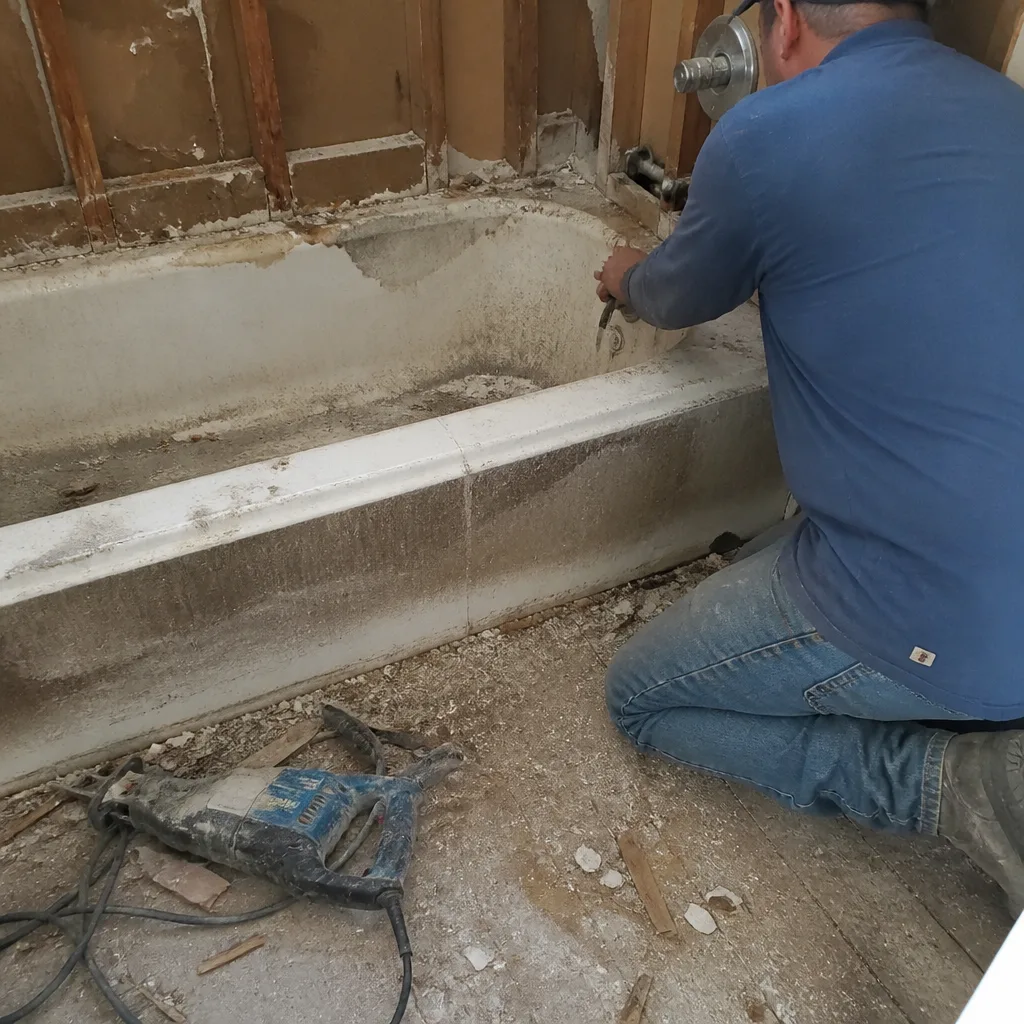 Before
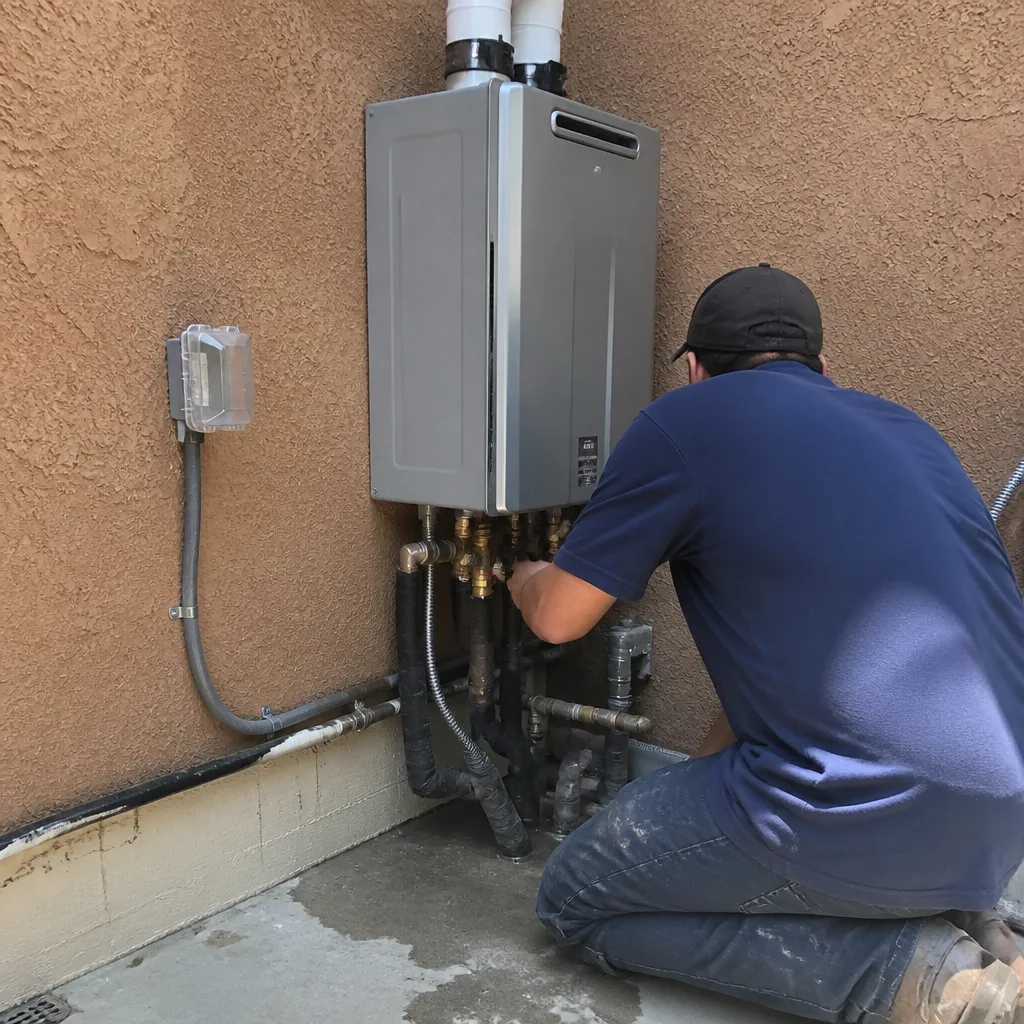 After
After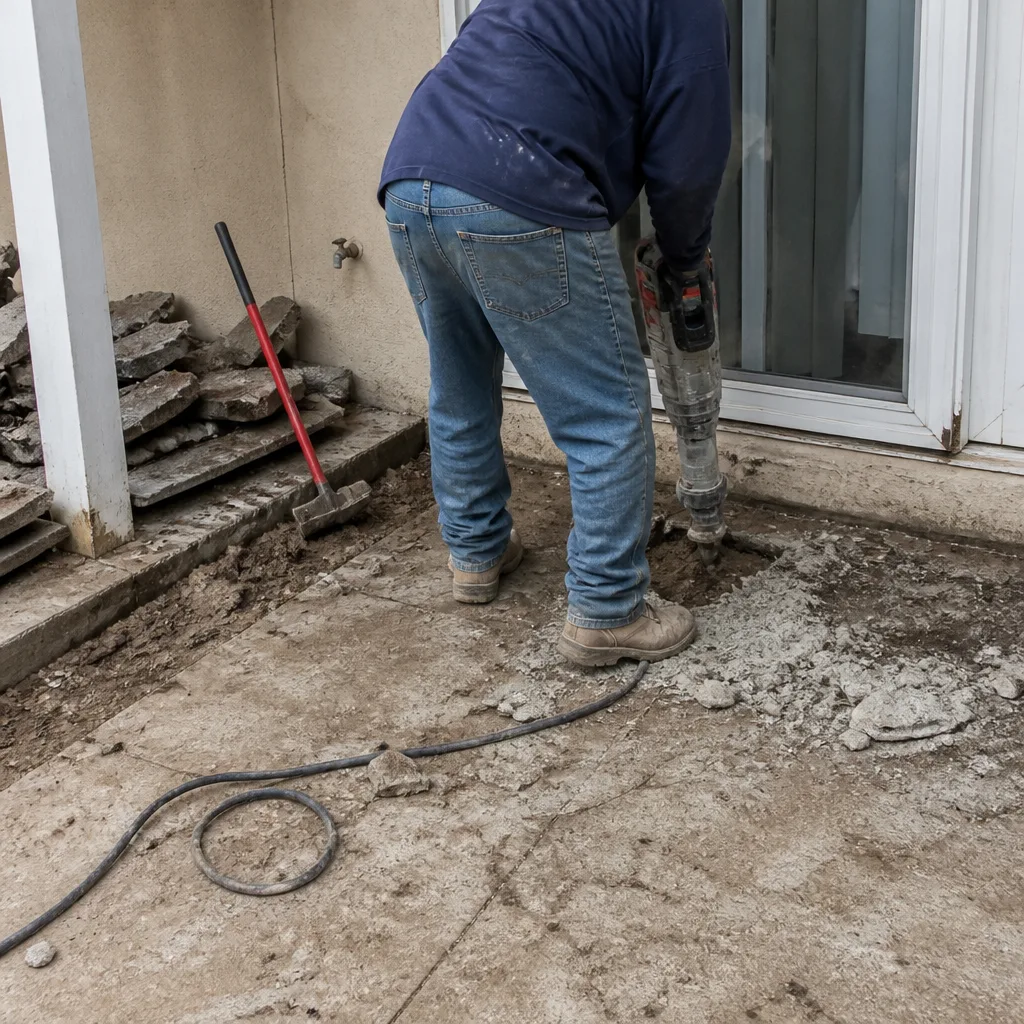 Before
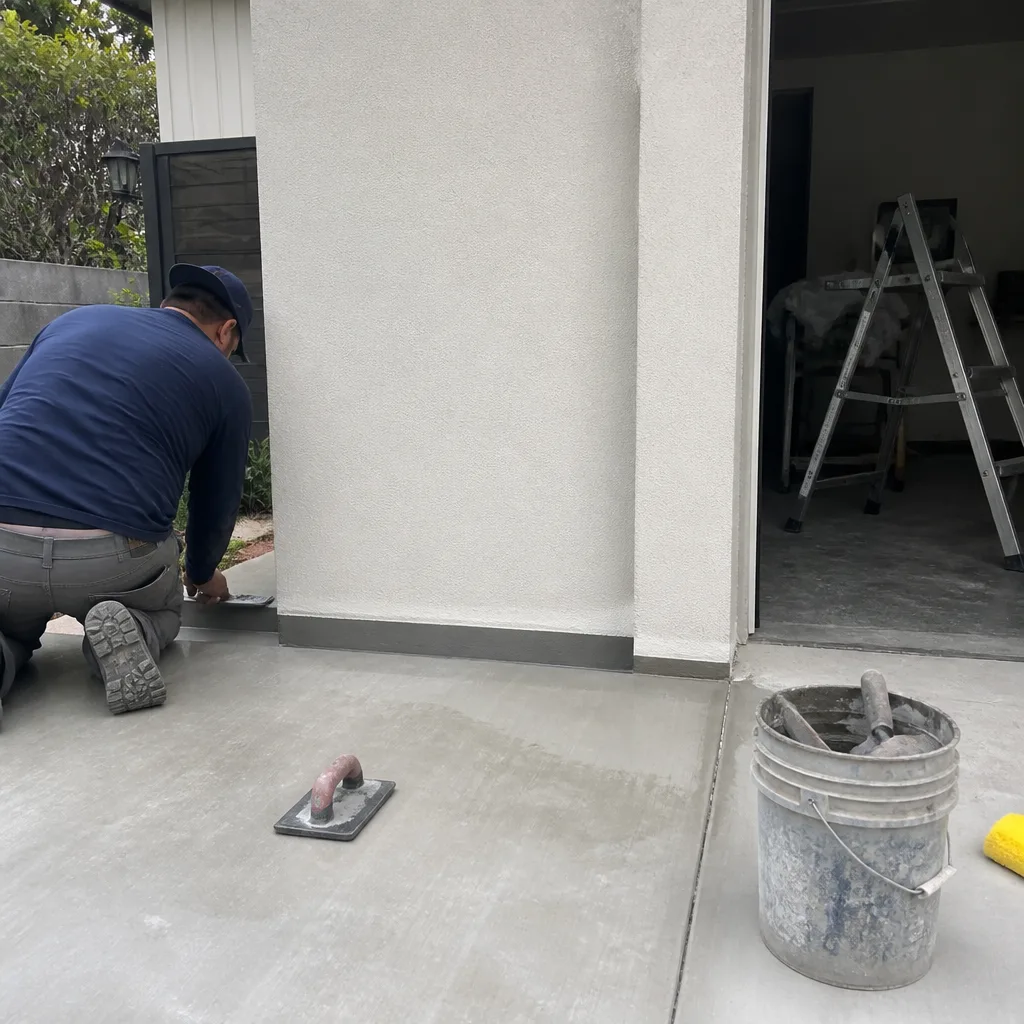 After
After