Last updated October 15, 2026




Free written scope consultation - allowances, timeline, and change-order rules on paper before a single trade is scheduled
Seasonal Construction Care for West Covina: Year-Round Homeowner’s Guide
West Covina recorded 47 days above 90°F in 2023, and that kind of sustained heat does more than run up your air conditioning bill. It accelerates caulk failure around windows and doors, degrades roofing adhesives, and bakes moisture out of framing lumber until hairline gaps open up in places you won’t notice until the first winter rain finds them. Seasonal home care in West Covina isn’t about keeping up appearances. It’s about planning for heat damage, wind-driven debris, and short but intense rain events that arrive on their own schedule. This guide walks you through a month-by-month maintenance and remodeling calendar built around the actual conditions your house faces here, plus how to use those seasonal inspections to build a rolling three-year plan so nothing becomes an emergency repair.
Styles & brands we work with

Quick Answer
Seasonal home maintenance in West Covina means treating summer heat as your primary structural stressor, fall Santa Ana winds as your fire-safety and roofing priority, winter’s short intense rains as your drainage and leak test, and spring as your window for exterior repairs and major remodeling starts. Budget roughly 1% to 3% of your home’s value annually for maintenance, and schedule inspections in September and March to catch problems before the two most punishing seasons arrive.
Table of Contents
- Summer (June-September): Heat Damage and What It Does to Your Home
- Fall (October-December): Santa Ana Winds and Fire-Safe Landscaping
- Winter (January-March): Rain Events and Drainage Vulnerabilities
- Spring (April-May): The Exterior Repair and Remodeling Window
- Building a Rolling 3-Year Remodeling Plan
- What Seasonal Care Actually Costs in West Covina
- Common Mistakes to Avoid
- When to Call a Professional
- Frequently Asked Questions
- The Bottom Line
Summer (June-September): Heat Damage and What It Does to Your Home
West Covina’s inland location means summer temperatures routinely climb 15 to 20 degrees higher than coastal Los Angeles, and the effects compound across a season that can stretch from late May into October. The real risk isn’t a single hot day. It’s week after week of heat that slowly breaks down the materials holding your home’s exterior envelope together.
What Extreme Heat Does to Roofing
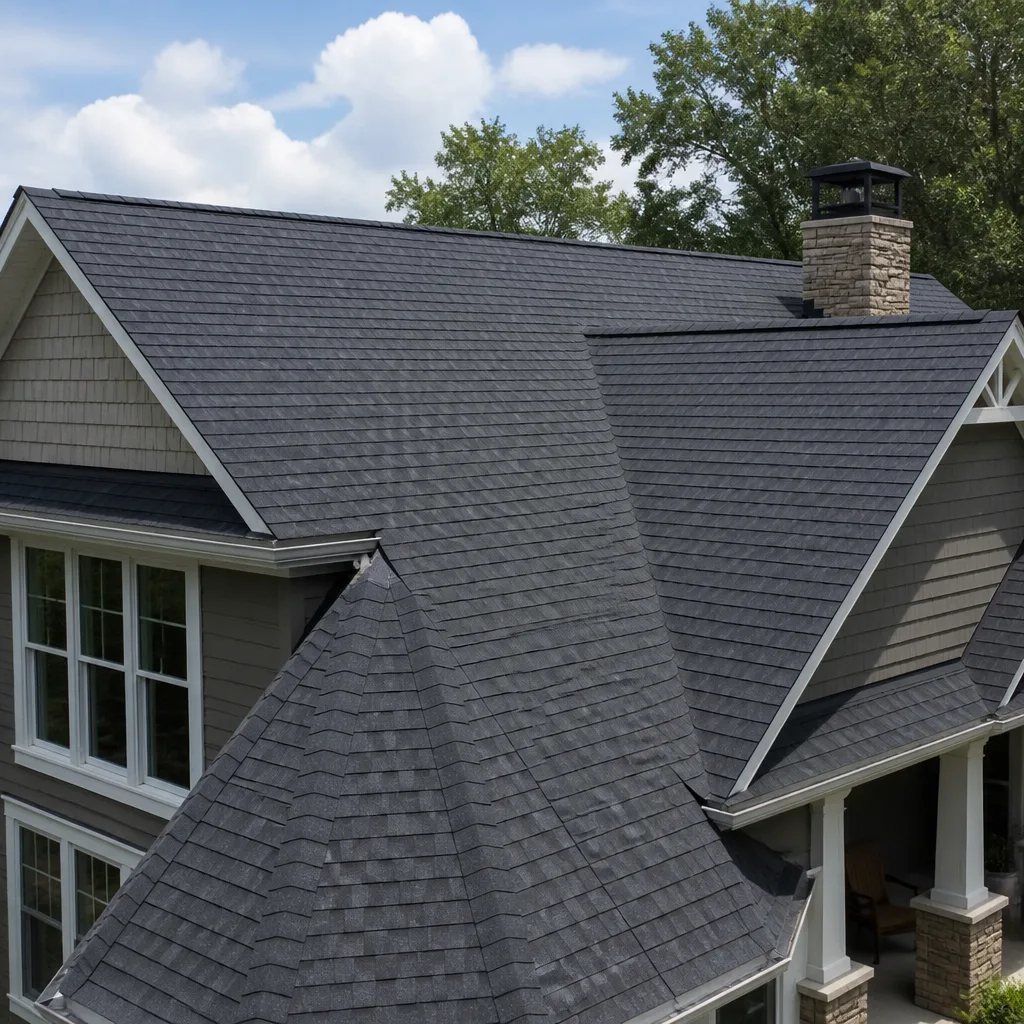
Roofing in West Covina takes a beating that coastal roofs never experience. Asphalt shingles on a 95°F day can reach surface temperatures of 150°F or more, and that heat softens the asphalt binder that holds the granules in place. Over multiple summers, you lose granules, the shingles become brittle, and the roof’s ability to shed water in winter declines. Flat roof sections, common on many West Covina ranch homes built in the 1950s through 1970s, face even worse conditions because they absorb direct sun all day with no slope to help dissipate heat.
- June: Walk the perimeter of your home and look at the roof with binoculars. Check for curling shingle edges, missing granules visible in gutters, and any exposed underlayment on flat sections.
- July: Check attic ventilation. If your attic feels hotter than the outside air at dusk, your vents may be blocked or undersized. Attic temperatures above 130°F shorten shingle life significantly.
- August: Inspect flashing around chimneys, vents, and any roof penetrations. Heat expansion and contraction loosens flashing seals over time, and those are the first places winter rain finds its way in.
- September: Book any roof repairs before the fall winds arrive. Santa Ana season starts as early as late September, and loose shingles become projectiles.
Exterior Caulk and Sealant Failure
Caulk is the unsung hero of home maintenance, and West Covina’s dry heat is its enemy. Most exterior caulks last five to ten years in coastal climates, but here you’re lucky to get three to five before the heat and UV exposure dry them out. Failed caulk around windows and doors lets conditioned air escape all summer and lets rainwater in all winter. In our experience working on homes across West Covina, we’ve seen failed window caulk contribute to interior drywall damage on south-facing walls more often than actual window failures.
- Check caulk beads around every window and door frame each June
- Look for cracks, gaps, or caulk that has pulled away from the surface
- Pay special attention to south- and west-facing walls, which take the harshest afternoon sun
- Replace failed caulk with a high-quality exterior-grade product rated for 50-year flexibility
HVAC and Cooling Efficiency
Your air conditioning system works hardest in West Covina during the exact months when poor insulation and failed seals cost you the most. A home with degraded window seals, inadequate attic insulation, and dirty condenser coils can spend 30% more on cooling than a well-maintained home of the same size. Seasonal care here isn’t just comfort, it’s real money.
Replace or clean HVAC filters monthly during peak summer. Have a professional service the condenser unit each spring before the heat arrives. And if your attic insulation is original to a home built before 1990, it has likely settled and lost much of its R-value. Blown-in insulation settles over decades, and West Covina’s dry heat accelerates the breakdown of older fiberglass batts. Upgrading attic insulation is one of the highest-return improvements you can make for year-round comfort in this climate.
Fall (October-December): Santa Ana Winds and Fire-Safe Landscaping
Fall in West Covina brings the Santa Ana winds, and those winds change the maintenance conversation entirely. Sustained gusts of 40 to 60 miles per hour, with occasional stronger bursts, turn loose roof tiles, dead tree branches, and unsecured yard items into hazards. The winds also bring single-digit humidity, which is why fire-safe landscaping matters as much as structural preparation.
Santa Ana Wind Preparation
- October 1: Walk your property and identify anything that could become airborne: patio furniture, potted plants, trash bins, children’s toys, garden tools
- Check roof tiles and shingles: After the first Santa Ana event, inspect your roof for lifted or shifted tiles. Wind-driven rain follows wind damage, and a lifted tile is an open invitation for water intrusion
- Trim trees: Remove dead branches and any limbs within 10 feet of your roofline. A single dead branch can do thousands of dollars in roof damage during a windstorm
- Inspect fences and gates: Wind loads expose weak posts and hardware. Repair loose boards and rusted hinges before the gusts find them
Fire-Resistant Landscaping Near the Home Envelope
West Covina hasn’t experienced the catastrophic fires that hit foothill communities to the north, but the city sits squarely in a region where Santa Ana winds can carry embers for miles. The five-foot zone immediately around your home is the most critical area for fire-safe landscaping. This is called the ember-resistant zone, and keeping it clear of combustible material is the single most effective step you can take.
- Remove all dead plants, dried leaves, and pine needles from within five feet of the foundation
- Replace wood mulch with gravel or decomposed granite in beds adjacent to the house
- Keep shrubs trimmed to no more than 18 inches tall in this zone
- Store firewood at least 30 feet from the home, not on the patio or against an exterior wall
- Check that all exterior vents have 1/8-inch metal mesh screens to block embers
Roof Debris and Gutter Inspection
October is the month to clean gutters in West Covina, not November or December. The reason is practical: most of the deciduous trees in the area drop their leaves in October, and Santa Ana winds pile additional debris into gutters throughout the fall. Clogged gutters in winter mean water overflows against your foundation or backs up under the roof edge, and those are exactly the conditions that cause the most expensive damage.
While you’re at it, check the roof surface itself. Flat areas on West Covina homes collect debris that holds moisture against the roofing material. If you have a flat section over a patio or room addition, clear it monthly during the fall. Debris that sits on a flat roof through the winter creates a perfect environment for premature membrane failure.
Winter (January-March): Rain Events and Drainage Vulnerabilities
West Covina doesn’t get the relentless winter rain that Seattle or Portland experiences. What it gets instead is a handful of intense storm systems, often atmospheric rivers, that can drop two or three inches of rain in a day. Those short, heavy events are harder on homes than gentle all-day drizzle because drainage systems get overwhelmed and water finds every weak point in your exterior envelope all at once.
Identifying Drainage Issues Before the First Storm
The time to test your drainage is not during a storm. It’s in the weeks before the rainy season arrives, when you can see how water flows across your property without standing in it. Here’s how to build a drainage inspection into your fall routine:
- Walk the perimeter during a dry spell in November: Look at the soil grade around the foundation. The ground should slope away from the house at least six inches over the first ten feet. Decades of settling in West Covina’s clay-heavy soil often reverses that slope
- Check downspouts: Every downspout should discharge water at least three feet from the foundation. Add extensions where they don’t
- Test drains: Pour water into any patio drains, channel drains, or French drains and confirm it flows through, not into, the drain. Sediment from dry summer months clogs many drainage systems
- Inspect the roof-to-wall transitions: On many West Covina homes, roof lines intersect with second-story walls in ways that create natural water channels. Check the flashing at these intersections
What Short, Intense Rain Events Reveal
Winter storms are diagnostic. A leak that appears during the first heavy rain of January is telling you something has been failing slowly, often for years. The most common points of water intrusion on West Covina homes are failed window caulk, worn roof flashing around chimneys and vents, and drainage systems that were undersized when the home was built.
If you see water stains on interior ceilings after a storm, don’t wait for a second storm to confirm the problem. Roof leaks compound quickly, and the water damage behind a stain is almost always larger than the stain itself. The same applies to water pooling against your foundation. Saturated soil against a foundation can cause movement, especially in the expansive clay soils found throughout the San Gabriel Valley. West Covina’s older neighborhoods, particularly those developed before 1970, are especially vulnerable because many foundations were built with shallower footings than modern code requires.
Spring (April-May): The Exterior Repair and Remodeling Window
Spring is the sweet spot for exterior work in West Covina, and the reasons are specific to this climate. The window between the last significant rain and the first significant heat is usually April through early June, and that’s when paint cures properly, concrete sets without accelerated drying, and contractors have scheduling flexibility before the summer rush.
Exterior Painting and Stucco Repair
Paint and stucco both perform best when applied in moderate temperatures with low humidity. West Covina’s spring conditions, typically 65°F to 80°F with low humidity, are ideal. Summer heat causes paint to dry too quickly, which leads to poor adhesion and premature failure. Winter brings moisture that prevents proper curing.
Stucco homes, which make up a significant portion of West Covina’s housing stock, need particular attention in the spring. Hairline cracks in stucco are common and usually cosmetic, but cracks wider than 1/8 inch or cracks that run diagonally from window corners indicate potential structural movement that should be evaluated before any cosmetic repair. Patching stucco over an active structural issue just means paying for the same repair twice.
Why Spring Is the Right Time for Major Remodeling Starts
If you’re planning a kitchen remodel, bathroom remodel, or whole-home renovation, scheduling the start for spring makes practical sense in West Covina. Construction projects that span summer heat face additional challenges with material handling, particularly for items like vinyl windows and certain adhesives that have temperature tolerances. Spring starts also allow exterior work, like stucco repair or window replacement, to be completed before the heat arrives.
Contractor availability in West Covina follows a predictable annual pattern. The best firms book out six to eight weeks ahead for significant projects, and spring is when scheduling is most flexible. By July, many contractors are committed through the end of summer. If you want a General Contractor in West Covina to start a project this year, starting the conversation in February or March gives you the most options for a spring or early summer start.
Permit processing times also matter. The City of West Covina Building Division typically processes residential remodel permits in two to four weeks for straightforward projects, but complex remodels involving structural changes can take longer. Starting the permit process in early spring means your project starts before the summer slowdown, which affects both contractor availability and material deliveries.
Building a Rolling 3-Year Remodeling Plan
The goal of seasonal inspections isn’t just to catch problems. It’s to gather the information you need to plan improvements deliberately, over a three-year horizon, so you’re making informed decisions instead of reacting to emergencies. A rolling plan spreads costs, reduces disruption, and lets you schedule work during the optimal season for each type of project.
How to Use Seasonal Inspections to Inform the Plan
- Year one, spring: Complete a full exterior inspection after the winter rains. Note every crack, every failed caulk line, every drainage issue. This becomes your baseline
- Year one, fall: Complete a full roof and gutter inspection before the Santa Ana winds. Note any missing granule patches, loose flashing, or drainage concerns
- Year one, winter: During the first heavy rain, note any leaks or moisture issues that appear. Add them to the plan with priority ratings
- Year two: Address the highest-priority items: roof repairs, drainage corrections, and any structural concerns. These are non-negotiable items that protect the building envelope
- Year three: Address quality-of-life improvements: Bathroom Remodeling in West Covina, kitchen updates, window replacement, and exterior cosmetic upgrades
Mapping Projects to Seasons
- Exterior painting and stucco: Spring, when temperatures are moderate
- Roofing replacement: Late spring or early fall, avoiding both summer heat and winter rain
- Window replacement: Spring or fall, when gap exposure during installation is less impactful
- Interior remodeling: Any season, though summer heat can slow drywall drying and certain finish work
- Drainage and foundation work: Late spring through early fall, when soil is driest
The plan works because it converts the observations from seasonal inspections into prioritized, budgeted, scheduled work. Instead of discovering a roof leak during a February storm and paying emergency rates, you’re addressing the issue during the optimal season with competitive pricing and contractor availability. For Home Remodeling in West Covina, this approach typically saves homeowners 10% to 20% compared to emergency-driven project timing.
What Seasonal Care Actually Costs in West Covina
The numbers matter. Here’s what homeowners in West Covina can expect to pay for the most common seasonal maintenance and repair items, based on current local market rates:
- Exterior caulking (full perimeter): $400 to $900 depending on home size and number of windows
- Gutter cleaning (single-story): $125 to $250 per visit; two-story homes run $175 to $350
- Roof inspection: $150 to $350 for a thorough professional assessment
- Minor roof repair (loose shingles, flashing: $300 to $800
- Attic insulation upgrade (1,500 sq ft home): $1,800 to $3,500 depending on material and R-value target
- Stucco patch (small area): $350 to $750
- Exterior repaint (1,800 sq ft stucco home): $6,000 to $12,000 depending on prep requirements and paint quality
- French drain installation (50 linear feet): $3,000 to $6,000
These ranges reflect the West Covina market specifically. Costs here run slightly below coastal Los Angeles but above the Inland Empire for exterior work, a reflection of labor availability and the specific material demands of inland climate conditions. Any contractor you work with should provide a written price before work begins, not a verbal estimate that might change when the invoice arrives.
Common Mistakes to Avoid
- Cleaning gutters only once a year. West Covina’s fall leaf drop from deciduous trees plus Santa Ana wind debris means gutters often need attention in October and again in December or January, especially if you have large trees near the house
- Ignoring south-facing wall deterioration. The southern exposure in West Covina gets the most intense sun year-round. Paint fades faster, caulk fails sooner, and stucco cracks earlier on south walls. They need inspection more frequently than other exposures
- Waiting until rain reveals a roof leak. By the time water is visible inside your home, the underlying damage has been progressing for months or years. Water stains mean the leak has already compromised your roofing system and possibly your insulation and framing
- Using the wrong mulch in planting beds near the house. Wood mulch holds moisture against your foundation and creates a fire pathway during Santa Ana conditions. Gravel or decomposed granite within the first five feet of the home is the correct choice here
- Assuming a new home doesn’t need maintenance. Newer construction in West Covina’s Hillside developments and other recent projects settles over the first three to five years, and settlement cracks in drywall and stucco are common. New homes also sometimes reveal drainage issues during the first few winters that weren’t apparent during construction
- Parking exterior maintenance until there’s a visible problem. Seasonal inspections are the whole game. A caulk crack that hasn’t leaked yet is a $30 fix. A caulk crack that has allowed water intrusion for two winters is a $3,000 drywall and framing repair
- Scheduling exterior painting for summer. Paint applied in July dries too quickly in West Covina’s heat and fails years early. Spring or fall are the only seasons for exterior paint in this climate
When to Call a Professional
Some maintenance tasks are homeowner work. Others require training, equipment, and experience. You should call a professional for any roof inspection or repair beyond visual observation from the ground, any electrical work, any gas appliance service, and any project involving structural changes to load-bearing walls. You should also call a professional if you notice diagonal cracks in exterior stucco or interior drywall, which can indicate foundation movement requiring evaluation. Mason Remodeling Co West Covina offers free estimates in West Covina, and every project gets a written price before any work begins. Call (707) 760-7579 when you’re ready to talk through what your seasonal inspections are telling you.
Frequently Asked Questions
Most West Covina homeowners spend between $800 and $2,500 per year on routine seasonal maintenance including gutter cleaning, caulking, HVAC service, and minor repairs. Homes over 2,500 square feet or with complex roofing, large tree coverage, or older systems trend toward the higher end. Budgeting 1% of your home’s value annually for maintenance is a reliable rule of thumb here. Call (707) 760-7579 for a free assessment of what your specific home needs.
Spring is optimal for starting a Bathroom Remodeling in West Covina because moderate temperatures make material handling easier and contractor availability is best. Interior remodels can technically happen year-round, but spring starts avoid the summer slowdown in material deliveries and allow any associated exterior work, like vent installation, to be completed before heat arrives.
Santa Ana winds lift shingle edges, loosen tiles, and strip granules from asphalt roofing. Sustained winds of 40 to 60 mph can also damage flashing where it meets roofing material. After significant wind events, check for lifted shingles, shifted tiles, and debris accumulation in valleys and behind chimneys. Prompt roof inspection after major wind events catches small issues before winter rain turns them into leaks.
Most routine exterior maintenance including caulking, painting, gutter cleaning, and minor stucco patching does not require a permit in West Covina. Structural repairs, window replacement that changes opening sizes, and any work affecting load-bearing elements do require permits through the city’s Building Division. A qualified General Contractor in West Covina will handle permitting for you and confirm what your specific project requires.
West Covina’s clay-heavy soil expands and contracts with moisture changes, and our inland climate swings between extremely dry summers and sudden winter moisture. This movement transfers through the foundation into the stucco, creating hairline cracks. The combination of expansive soil and dramatic seasonal moisture swings makes some stucco cracking inevitable here. Cracks wider than 1/8 inch or running diagonally from corners warrant professional evaluation.
A quality exterior repaint on a West Covina home typically lasts 7 to 10 years on north and east walls and 5 to 7 years on south and west walls. The difference is UV exposure, which is significantly more intense on southern and western exposures here than in coastal communities. Using higher-quality paint with better UV inhibitors extends lifespan, and spring application extends it further by allowing proper curing before summer heat stress begins.
The Bottom Line
Seasonal construction care in West Covina is about understanding that this inland climate punishes homes differently than coastal or desert environments do. Heat is your primary stressor, wind is your wildcard, and winter rain arrives in short bursts that test every weakness at once. The homeowners who avoid five-figure repairs are the ones who inspect methodically, schedule work during the right season, and build their improvements into a rolling plan instead of reacting to each emergency as it arrives. That discipline works. For help turning your seasonal observations into a concrete plan, call Mason Remodeling Co West Covina at (707) 760-7579 for a free estimate.
Written by Isaac Pruett, Owner at Mason Remodeling Co West Covina, serving West Covina since 2004.
See the difference
 Before
 After
After Before
 After
After Before
 After
After