Last updated October 15, 2026

Free written scope consultation - allowances, timeline, and change-order rules on paper before a single trade is scheduled
Construction Permits, Codes & Inspections in CA: What You Need to Know
Unpermitted additions in California don’t just create headaches at resale; they can void a homeowner’s insurance policy on a covered loss. A West Covina homeowner who added a bathroom without permits may discover, after a water damage claim, that the insurer considers the entire affected area non-covered construction. That single discovery can turn a $4,000 repair into a $40,000 out-of-pocket rebuild. This guide walks through exactly which projects trigger California’s permit requirements, what the City of West Covina asks of homeowners, what inspectors look for, and what retroactive permitting actually costs. If you’re planning a remodel, addition, or ADU in West Covina, consider this your field manual for staying on the right side of the code official and your insurance adjuster.
Styles & brands we work with

Quick Answer
In California, any project that alters structural framing, plumbing, electrical, or mechanical systems typically requires a permit under the California Residential Code (CRC) and Title 24. For West Covina homeowners, that means a kitchen or bathroom remodel with any wall movement, fixture relocation, or water-heater replacement needs a permit before work begins. Plan-check permits for additions and ADUs usually take 2 to 6 weeks in West Covina, while simple over-the-counter permits can often be pulled in one visit. Unpermitted work commonly surfaces during escrow, and retroactive permits cost 2 to 3 times more than doing it right the first time.
Table of Contents
- When You Need a Permit in California: Thresholds That Surprise Homeowners
- The City of West Covina Building & Safety Division: How the Portal Actually Works
- California Residential Code and Title 24: What These Codes Mean for Your Remodel
- What Inspectors Look For at Each Phase: Framing, Rough MEP, Insulation, and Final
- How Unpermitted Work Gets Discovered During Escrow, and What Retroactive Permits Cost
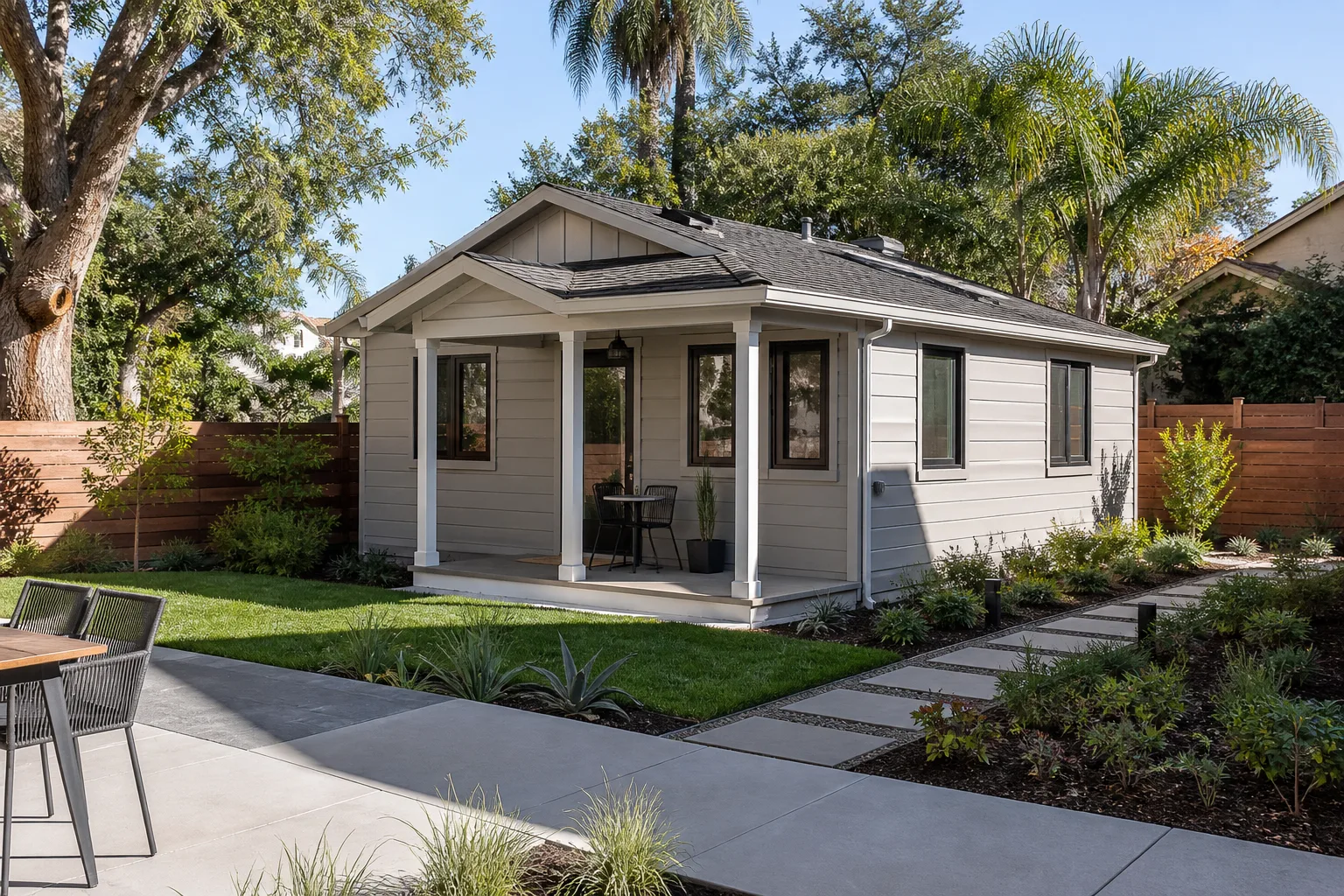
- ADU Permits in West Covina: State Streamlining Meets Local Ordinances
- Common Mistakes to Avoid
- When to Call a Professional
- Frequently Asked Questions
- The Bottom Line
When You Need a Permit in California: Thresholds That Surprise Homeowners
California’s permit requirements live in the California Residential Code (CRC), specifically Chapter 1, Section R105. The rule is straightforward: any construction, alteration, repair, or addition that affects the structure, plumbing, electrical, or mechanical systems of a single-family home requires a permit from the local building department. For West Covina, that’s the Building & Safety Division.
Most homeowners assume permits are only for room additions or new construction. That assumption is expensive. Here are the specific triggers that catch West Covina homeowners off guard:
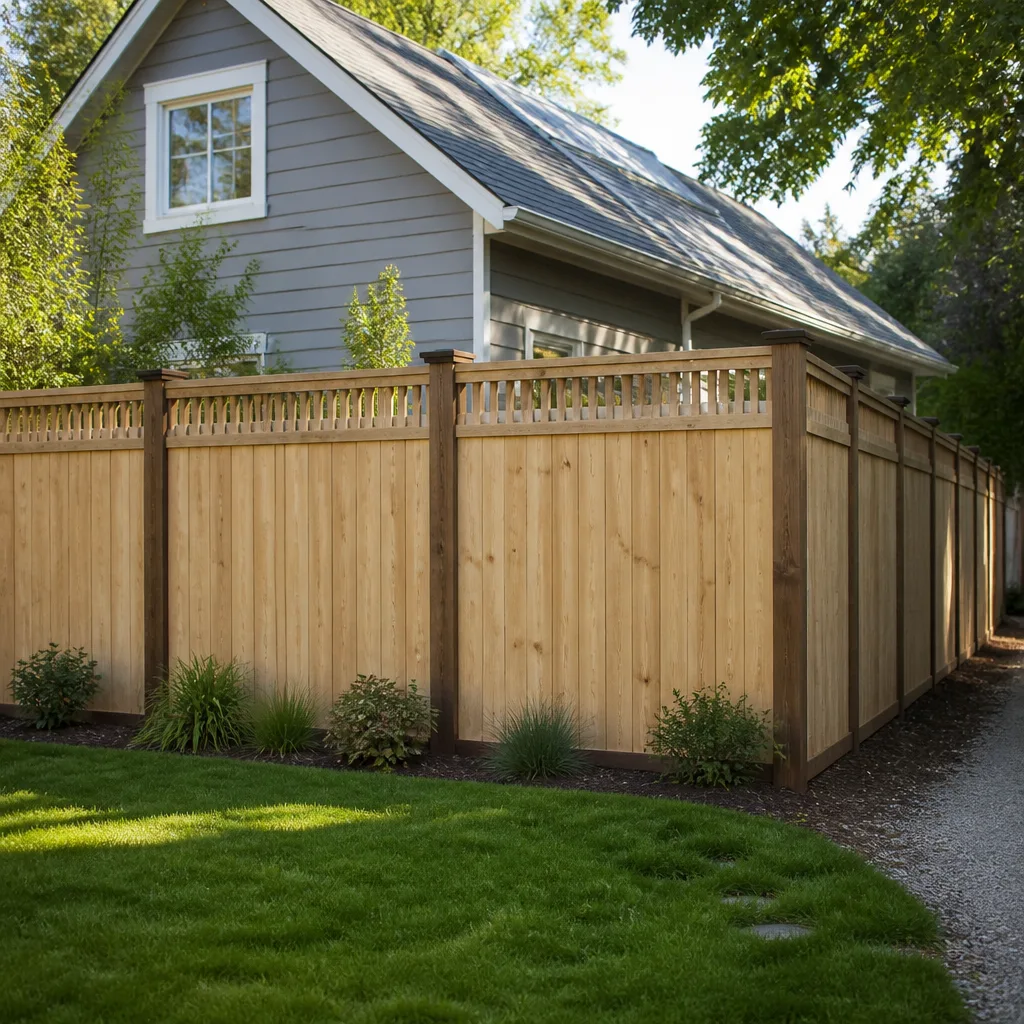
- Fence replacement over 7 feet: The CRC sets a 7-foot height limit. A 7-foot-6-inch fence in a West Covina side yard technically needs a permit, plus a zoning review for setback compliance.
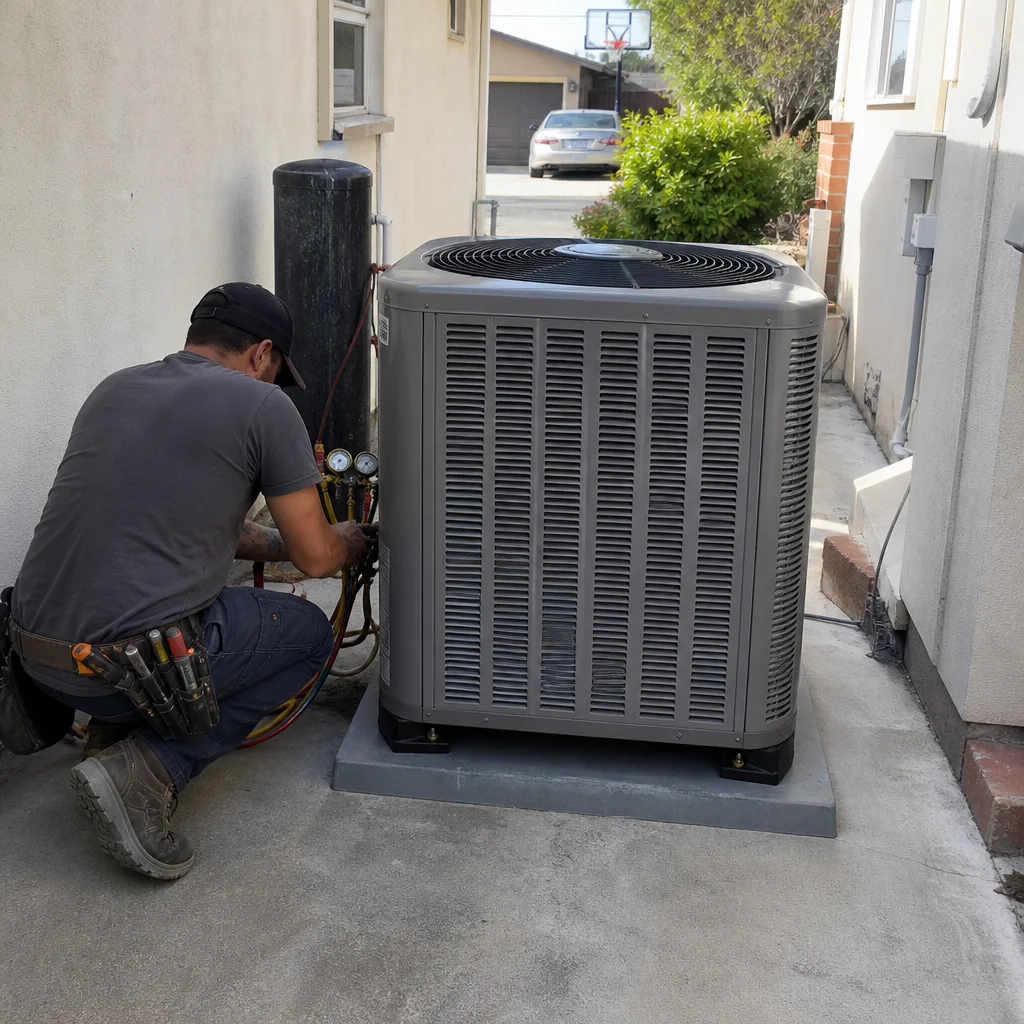
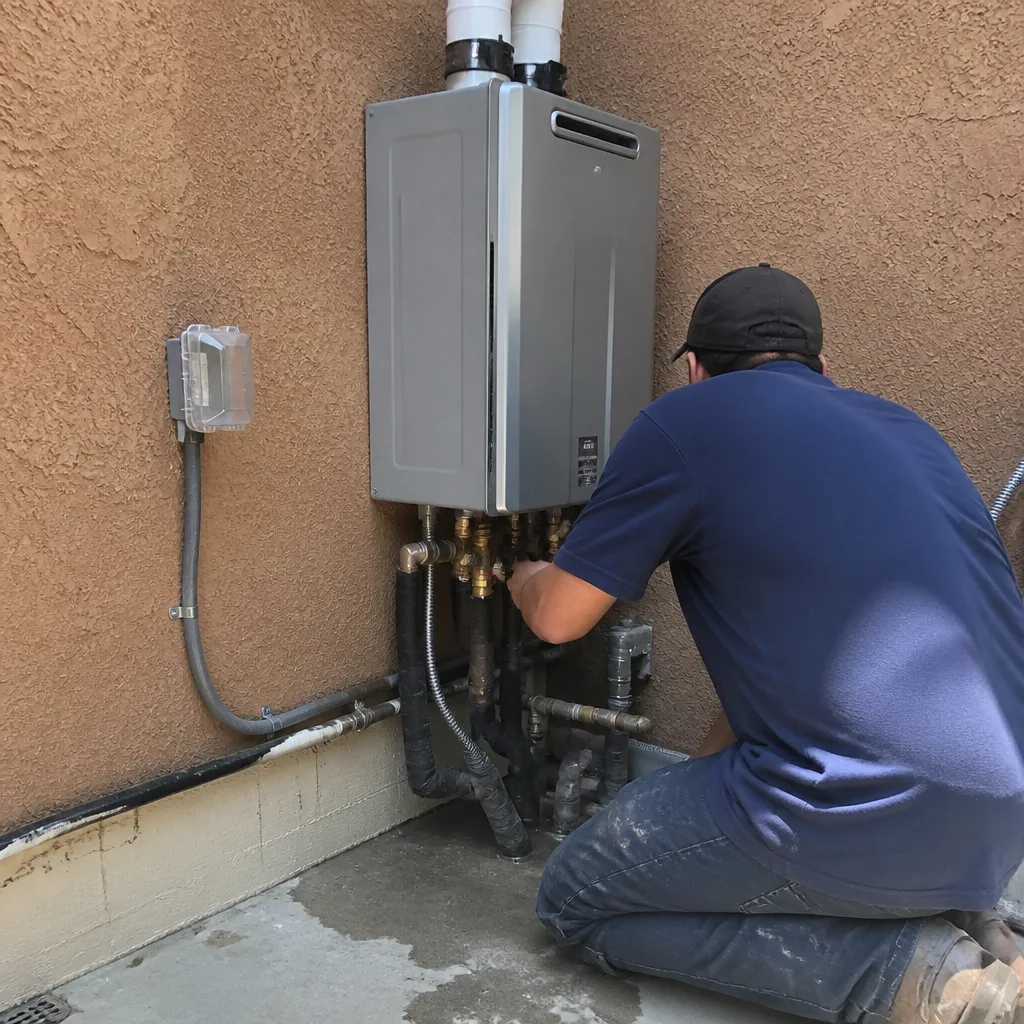
- Water heater replacement: Any replacement of a water heater, even a like-for-like swap, requires a permit in California. The inspection verifies earthquake strapping, pressure relief valve routing, and venting. Skipping this permit is the most common unpermitted item found in West Covina resales.
- Window replacement: If you change the rough opening size, you need a permit. If you swap like-size windows, most California jurisdictions still want a permit to verify flashing, tempered glass requirements near doors and low sills, and emergency egress in bedrooms.
- Kitchen remodel with wall movement: Moving or removing a wall, even a non-load-bearing partition, requires a permit. Relocating a sink or range requires both a plumbing permit and an electrical permit. A full home remodeling project in West Covina almost always includes plan-check review.
- Bathroom remodel with fixture relocation: Moving a toilet, shower, or vanity drain line triggers plumbing permit requirements. New exhaust fans require electrical permits. This is why a complete bathroom remodel in West Covina needs building, plumbing, and electrical permits, not just one.
- Stucco or siding replacement over a certain square footage: California jurisdictions commonly require permits when exterior finish work exceeds 100 square feet, because it affects weatherproofing and can hide structural issues.
- Rewiring or panel replacement: Any new circuit, subpanel, or service upgrade needs an electrical permit and inspection. In West Covina’s older housing stock, homes built in the 1950s and 1960s often have ungrounded wiring that requires panel upgrades during remodels.
What does not require a permit? Cosmetic work: painting, flooring, cabinet replacement without plumbing or electrical changes, trim, crown molding, and replacement of like-size fixtures where no rough plumbing or wiring is altered. The line between cosmetic and structural is where West Covina homeowners get themselves into trouble.
As a rule, if a project touches water, electricity, gas, or load-bearing framing, assume a permit is required. If you’re not sure, call the City of West Covina Building & Safety Division. A 5-minute pre-project phone call is free; a retroactive permit after escrow discovery is not.
The City of West Covina Building & Safety Division: How the Portal Actually Works
The City of West Covina processes building permits through its Building & Safety Division, located at City Hall. Homeowners can access permit applications, check plan review status, and schedule inspections online through the city’s citizen portal. What the portal doesn’t tell you is how to choose between permit types, and that choice determines your timeline and cost.
West Covina, like most Los Angeles County cities, divides permits into two broad categories:
Over-the-Counter Permits
These are permits for straightforward, low-risk work: water heater replacement, window replacement of like size, reroofing, panel upgrades in some cases, and basic electrical service changes. Over-the-counter permits are reviewed at the counter and often issued the same day. In West Covina, expect $150 to $600 in permit fees depending on project scope. The inspection is typically scheduled within 1 to 2 weeks.
Plan-Check Permits
Any project that involves structural modification, additions, ADUs, or significant plumbing or electrical rerouting goes through plan check. Plan review in West Covina typically runs 2 to 6 weeks, depending on department workload and the completeness of your drawings. Common trigger points: moving interior walls, bump-out additions, full kitchen remodels with gas line relocation, and any ADU.
Here’s what the plan-check process looks like in practice for a West Covina homeowner:
- Submit drawings and structural calculations. For one-story additions and interior remodels, stamped drawings from a licensed architect or structural engineer are typically required when structural changes exceed prescriptive code limits.
- First plan review. The plans examiner checks for code compliance: fire separation, egress, energy standards under Title 24, and structural adequacy. Review comments typically come back in 2 to 4 weeks.
- Resubmission. Plans are corrected and resubmitted. This cycle may repeat once or twice. Plan check fees for a typical West Covina addition run $800 to $2,500 depending on valuation.
- Permit issuance. Once plans are approved, the permit is issued and work can begin. The permit card must be posted on-site and available for inspection.
- Scheduled inspections. The permit holder calls or schedules online for each required inspection phase. West Covina inspectors typically schedule within 48 hours of request.
One note that saves time: West Covina’s plan review workload fluctuates with building cycles. During summer months and after major storms, plan review times stretch longer. If you’re planning a spring project, submitting plans in the fall gets you to the front of the line. If you’re working with a general contractor in West Covina, they typically handle all portal submissions, plan review responses, and inspection scheduling on your behalf.
California Residential Code and Title 24: What These Codes Mean for Your Remodel
California operates under two primary code documents: the California Building Standards Code, which includes the California Residential Code (CRC), and California’s Title 24 energy standards. Homeowners hear these terms constantly during permitting and rarely get a plain-English explanation of what they actually require.
The California Residential Code (CRC)
The CRC is California’s adaptation of the International Residential Code. It governs structural design, fire safety, plumbing, electrical, mechanical systems, and energy conservation for one- and two-family homes. The CRC is updated every three years. The current cycle applies to permits pulled after January 1 of the active cycle year.
For a West Covina remodeler, the CRC sections that come up most often in plan review comments are:
- R302: Fire-rated construction. Any wall shared with a garage or property line must meet specific fire-resistance ratings. In West Covina’s zero-lot-line neighborhoods, fire-rated walls are a frequent plan-check condition.
- R310: Emergency escape and rescue openings. Bedrooms must have at least one egress window meeting minimum sill height, opening size, and clear area requirements. Window replacement in older West Covina homes often fails this check because original 1950s windows don’t meet modern egress standards.
- R311: Means of egress. Stair dimensions, handrail heights, and guardrail requirements. Interior stair remodels in split-level West Covina homes frequently trigger corrections when headroom clearance lands short of code minimums.
- R506: Concrete floors. Garage slab replacement and patio additions require proper subgrade compaction and vapor barriers. In West Covina’s heavy clay soils, this section matters more than in other parts of the county.
Title 24 Energy Standards
Title 24, Part 6, is California’s energy code. It is enforced through plan check and field inspection, and it affects nearly every remodel. The two areas that surprise homeowners most:
- Lighting requirements. New kitchens and bathrooms must include high-efficacy lighting fixtures in most permanently installed locations. Dimmer and occupancy sensors can satisfy some requirements. If your remodel adds square footage or moves windows, a complete Title 24 energy compliance calculation may be required.
- Insulation requirements. Wall and ceiling insulation must meet climate-zone minimums. West Covina sits in California climate zone 3B, which requires R-13 wall insulation and R-30 ceiling insulation for new construction. Remodeled areas that open wall cavities typically trigger the requirement to bring those cavities up to current code.
Title 24 also governs window performance, HVAC equipment efficiency, and water heating. For older West Covina homes, compliance often means upgrading more than just the visible finishes. A homeowner who planned a $12,000 kitchen may learn that Title 24 compliance adds $1,800 in lighting controls and insulation upgrades. That’s not a fee, it’s a performance requirement. It is also part of why written, line-item pricing before work starts is so important: you want to know what code compliance actually costs, not discover it on the final invoice.
What Inspectors Look For at Each Phase: Framing, Rough MEP, Insulation, and Final
Inspections are where your permit gets verified. In West Covina, inspections are driven by the permit holder or contractor calling the Building & Safety Division. A missed inspection means the work stays unverified, and unverified work is what creates title issues and insurance problems later.
Here’s what each phase covers and what inspectors in West Covina are most likely to flag:
Framing Inspection
The framing inspection happens after the structure is up but before drywall covers anything. The inspector checks stud spacing, header sizes, nailing schedules, anchor bolts, hold-downs, and shear wall panels as shown on the approved plans. In West Covina’s earthquake-prone zone, shear wall nailing patterns and properly torqued anchor bolts are the most common correction items. The inspector compares what’s built to what was stamped, not what the crew discussed verbally.
Rough MEP Inspection
Rough mechanical, electrical, and plumbing (MEP) inspection covers everything inside the walls: drain and vent piping, water supply lines, electrical wiring and boxes, gas line routing, and HVAC ductwork. Common West Covina findings at this phase: missing nail plates where wiring passes through studs too close to the face, unsupported gas lines, improper drain slope, and missing arc-fault circuit interrupters. Passing rough MEP inspection unlocks the insulation and drywall phases.
Insulation Inspection
The insulation inspection verifies R-values in walls, ceilings, and floors, and confirms that vapor barriers are properly installed with the correct side facing. In West Covina’s climate zone 3B, the inspector checks that batt insulation fills the cavity without compression and that the required Title 24 documentation is posted at the job site. Skipped insulation inspections are common on unpermitted work and show up later as energy complaints and moisture issues.
Final Inspection
The final inspection is the last step before your permit is closed and the work is legally registered. The inspector checks fixtures, safety devices, egress, final electrical trim, and smoke and carbon monoxide detector compliance. One detail many West Covina homeowners miss: California now requires carbon monoxide detectors on each floor and smoke alarms in each sleeping area. Older homes originally grandfathered in may fail final inspection if detectors were removed during a remodel and not restored.
Each inspection phase has a specific order, and the work must stop at each stage until the inspector signs off. A framing correction caught early costs a few hours of carpenter time. The same correction after drywall means opening walls. Building that inspection buffer into your schedule is the difference between a 10-week remodel and a 16-week remodel.
How Unpermitted Work Gets Discovered During Escrow, and What Retroactive Permits Cost
Unpermitted work is discovered during escrow in predictable ways. The buyer’s home inspector flags additions or modifications that don’t match the county assessor’s records. The appraiser notes square footage that doesn’t match the public record. The title company’s natural hazard report reveals an unpermitted conversion. In West Covina, where housing inventory includes many homes built before 1970, this is a routine escrow finding.
What happens next depends on the specifics. If the unpermitted work is minor, like a water heater or a small patio cover, the buyer may proceed and the seller pays a credit at close of escrow. If the unpermitted work is a converted garage, a bonus room, or an added bathroom, the lender may decline to fund the loan until the situation is resolved. That resolution is a retroactive permit.
Retroactive permits are expensive for a reason: the building official doesn’t know what’s inside the walls, so they require destructive investigation. A retroactive permit for a bathroom addition typically means removing drywall to expose framing and plumbing, pulling back roofing to verify tie-in details, and opening walls in adjacent rooms. Here are realistic retroactive permit costs for West Covina work:
- Water heater without permit: $300 to $800 total, including permit fee, inspection, and any correction work. Usually corrected in a week, but the permit fee carries a penalty multiplier because work was completed without a permit in place.
- Unpermitted bathroom addition: $4,000 to $12,000. The investigation phase alone can run $1,500 to $3,500 for opening walls and exposing rough plumbing and electrical. Correction work, if defects are found, adds real cost. This is the most painful category in West Covina escrow negotiations.
- Unpermitted garage conversion: $6,000 to $18,000. Garage conversions often fail fire separation, ceiling height, and egress requirements. Retrofitting to code can require structural changes, not just inspection.
- Unpermitted room addition: $10,000 to $30,000 or more, depending on size and what the investigation uncovers. Foundation verification, roof tie-in, shear wall confirmation, and Title 24 compliance all come due at once.
By contrast, pulling the correct permit before work begins costs $500 to $3,000 for most residential projects in West Covina, including plan check fees where applicable. The financial argument is not subtle: a $900 permit avoided can become a $12,000 problem in escrow, to say nothing of the insurance implications.
Insurance is the second discovery path. When a West Covina homeowner files a water damage claim, the adjuster checks permit records. If the affected area was remodeled without permits, the insurer may deny the claim in that area entirely. A toilet supply line that bursts under a bathroom sink installed without a plumbing permit can void coverage for the entire bathroom, plus adjacent rooms if water migrated. The permit is the proof that the work met code. Without it, the insurer’s position is that substandard work caused the loss.
ADU Permits in West Covina: State Streamlining Meets Local Ordinances
Accessory dwelling units have become West Covina’s most active permit category, driven by California’s streamlining laws that limit local review. State law requires cities to approve ADU applications ministerially, meaning no discretionary design review or public hearing, as long as the project meets objective standards.
West Covina’s local ADU ordinance follows state mandates: one ADU up to 1,200 square feet on a single-family lot is permitted by right, plus one junior ADU (JADU) within the existing home footprint. Detached ADUs up to 16 feet in height are allowed, and setback requirements of 4 feet for side and rear yards are standard. The city cannot require additional parking for an ADU within a half mile of public transit or when the ADU is part of an existing structure.
What state streamlining doesn’t eliminate is the actual building code. ADUs still require full plan review, Title 24 energy compliance, and the complete phased inspection cycle described above. The practical timeline for a West Covina ADU:
- Site feasibility and design: 2 to 6 weeks. Confirm setbacks, utility routing, and floor plan.
- Plan preparation and engineering: 3 to 8 weeks. Structural drawings, Title 24 calculations, and site plan.
- City plan check and corrections: 4 to 8 weeks in West Covina’s current workload.
- Construction and phased inspections: 9 to 14 months for a detached unit.
- Permit closeout and rental readiness: 2 weeks after final inspection.
Total cost for a turnkey one-bedroom ADU in West Covina, including design, permits, utility connections, and construction, typically runs $180,000 to $280,000 as of 2024. The permit and plan-check portion of that is usually $8,000 to $15,000. Working with a general contractor in West Covina who already manages ADU plan-check cycles removes months from that timeline because the drawings match what plan reviewers expect to see.
Common Mistakes to Avoid
- Skipping the water heater permit. It feels like a $600 nuisance fee. When discovered during escrow or after a claim, it becomes a $1,200 to $4,000 escrow credit or a denied insurance claim. The permit cost is always less than the financial consequence.
- Using unlicensed labor to save money. In California, unlicensed contractors performing work over $500 is a criminal violation, and any unpermitted work they complete is almost certainly outside code. The homeowner carries the liability, not the handyman.
- Starting work before the permit is issued. Founding a project before permit issuance in West Covina triggers stop-work orders and possible penalty fees. Plan on a 2 to 6 week approval window, and don’t demo until the permit card is on the window.
- Closing walls before the rough inspection. If the inspector can’t see the work, they can’t sign off. Someone will be opening the drywall again. Every day saved by skipping inspection staging is paid back twice in demolition and rework.
- Assuming Title 24 only matters for new homes. Remodels that relocate windows, alter insulation, or change lighting all trigger energy code requirements. Budget 5 to 10 percent of project cost for Title 24 compliance on major West Covina remodels.
- Letting the permit expire. Permits in West Covina expire if work stops for 180 days or more. Expired permits can’t be reactivated; a new application with current code compliance is required, which means new plan check fees and possibly new engineering.
- Buying a home without verifying permit status. The listing may say “bonus room added.” West Covina tax records tell the real story. Pull the permit history before making an offer; it’s the cheapest due diligence a buyer can do.
When to Call a Professional
Some projects genuinely are DIY territory: replacing a faucet, painting, swapping light fixtures with no wiring changes, and flooring all sit comfortably outside permit territory. But the moment you’re moving a wall, relocating plumbing, running new circuits, or converting square footage, you’re in territory where a contractor’s plan-check experience prevents expensive corrections. We see this pattern repeatedly in West Covina: a homeowner pulls an over-the-counter permit for what they think is a simple project, runs into a plan check condition they don’t know how to address, and sits in permit limbo for months. If your project includes structural changes, a home remodeling project in West Covina with utility relocation, or any ADU, the professional route is faster. We prepare drawings to match what reviewers expect, schedule inspections in the right order, and handle correction items without drama. Mason Remodeling Co West Covina offers free estimates in West Covina; call (707) 760-7579 and we’ll tell you honestly whether your project needs a permit, what it will cost, and what the realistic timeline looks like.
Frequently Asked Questions
Building permit fees in West Covina generally range from $150 to $600 for simple over-the-counter permits and $800 to $2,500 for plan-check permits on additions and remodels. The fee is based on project valuation, so a larger ADU will carry a higher permit cost than a water heater swap. Plan check fees are separate from permit fees and typically add $500 to $1,500 to the total. Call (707) 760-7579 if you want a realistic permit budget for your specific project; estimates are free.
Yes, you can sell a house with unpermitted work, but you must disclose it, and the buyer’s lender may refuse to finance until the work is permitted retroactively or the seller credits the buyer at close of escrow. Unpermitted square footage in West Covina also creates appraisal issues because lenders won’t count it toward the home’s value. The cleanest approach is to resolve permits before listing, which protects both your sale price and your negotiating position.
Over-the-counter permits in West Covina are typically issued the same day or within a few days. Plan-check permits for remodels and additions run 2 to 6 weeks, depending on department workload and plan completeness. ADU plan check can run 4 to 8 weeks in current conditions. Submitting complete, code-compliant drawings the first time is the single biggest factor in keeping your timeline on track.
Yes, California requires a permit for all water heater replacements, including like-for-like swaps. The permit verifies earthquake strapping, properly routed temperature and pressure relief valve, correctly configured flue venting, and gas supply line sizing. In West Covina, this is the most common unpermitted item discovered during escrow, and the $200 to $300 permit saves you $1,000 or more in escrow credits and possible claim disputes.
If unpermitted work is discovered by the City of West Covina, you’ll receive a notice requiring you to either obtain a retroactive permit or remove the work. Retroactive permits require destructive investigation to expose framing and utilities, then correction of any code deficiencies found. The process typically costs 2 to 3 times as much as the original permit, and the work must be brought to current code, not the code in effect when it was originally built. Call (707) 760-7579 if you’re facing a retroactive permit; we walk West Covina homeowners through this process regularly.
A kitchen remodel requires a permit in West Covina when it includes moving walls, relocating plumbing or gas lines, adding or moving electrical circuits, or changing window openings. If the remodel is purely cosmetic, replacing cabinets and countertops without moving utilities, no permit is required. Most full kitchen remodels cross the permit threshold because the typical scope includes at least one of those trigger items. Getting the permit right from the start protects your insurance coverage and resale value.
The Bottom Line
California’s permit and inspection system is not bureaucratic friction; it’s the record that protects your home’s value, your insurance coverage, and your legal position at resale. In West Covina, that truth runs sharp: unpermitted work discovered during escrow costs 2 to 3 times the original permit fee in retroactive permitting, and it can void insurance on exactly the claim you need covered. The math only works one way. Pull the permit before you start, stage your inspections correctly, and keep the permit card posted until the final signature. That’s how West Covina homes stay legal, insurable, and valuable for the next owner. If you’re planning work and unsure of the permit path, call (707) 760-7579; we’ll tell you what the permit will cost, what the inspector will check, and what the total project timeline really looks like. No speculation, just the process as it actually runs in West Covina.
Written by Isaac Pruett, Owner at Mason Remodeling Co West Covina, serving West Covina since 2004.
See the difference
 Before
 After
After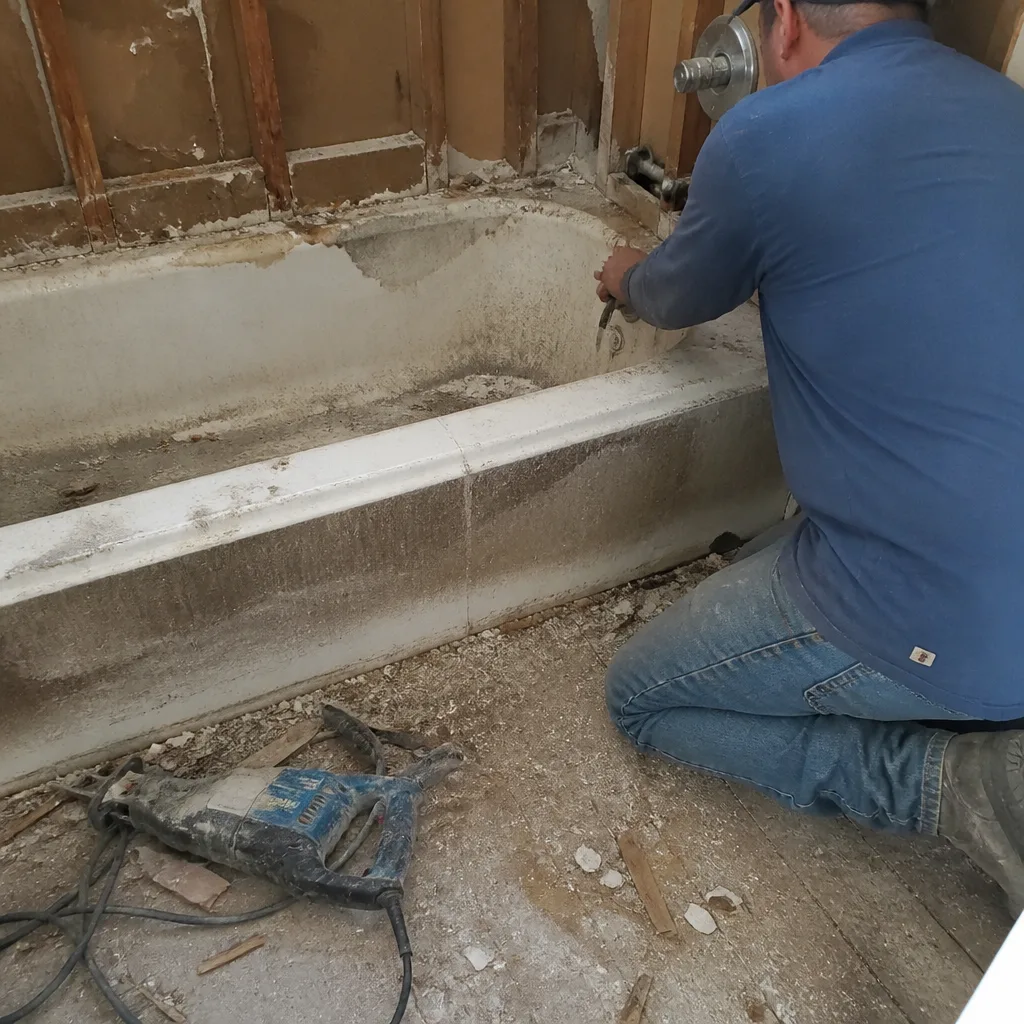 Before
 After
After Before
 After
After