Free written scope consultation - allowances, timeline, and change-order rules on paper before a single trade is scheduled
Sterling Home Additions & ADU: The West Covina Owner’s Guide
If you’re planning a home addition or ADU in West Covina and want Sterling-quality construction standards matched to your existing home, you’re looking at an installed range of $45,000 to $130,000 for a home addition and $90,000 to $220,000 for a full ADU. We’re Mason Remodeling Co West Covina, an independent general contractor, not affiliated with Sterling, but we build and install additions and ADUs that meet the same specification-grade standards Sterling owners expect. Most West Covina homeowners reach out to us when an older home addition has structural issues, a previously permitted addition wasn’t done to current code, or they’re ready to add an ADU and want a written price before committing.
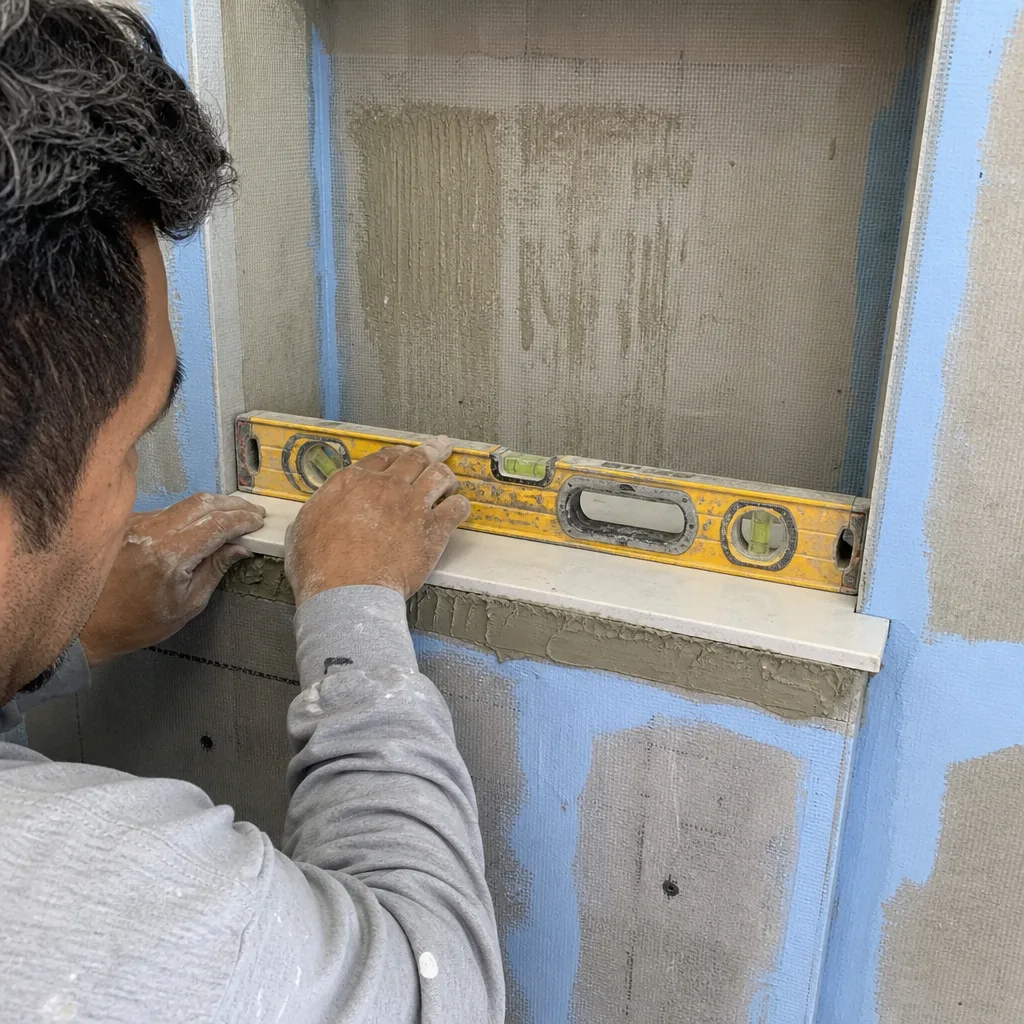
Here’s what we see most often in West Covina: homes built in the 1950s and 1960s near neighborhoods like South Hills and the area around Cameron Park were framed with materials and methods that don’t always hold up to today’s seismic and energy codes. An addition from that era may look fine on the surface while the foundation has settled, the roof tie-in is leaking, or the electrical was never brought up to current load requirements. If you’ve got an existing Sterling addition or ADU showing cracks, sagging, or moisture, the part that failed is rarely a single piece. It’s usually the integration point: where the old roof meets the new, where the foundation was tied, or where the exterior envelope was sealed. That’s what this page is about.
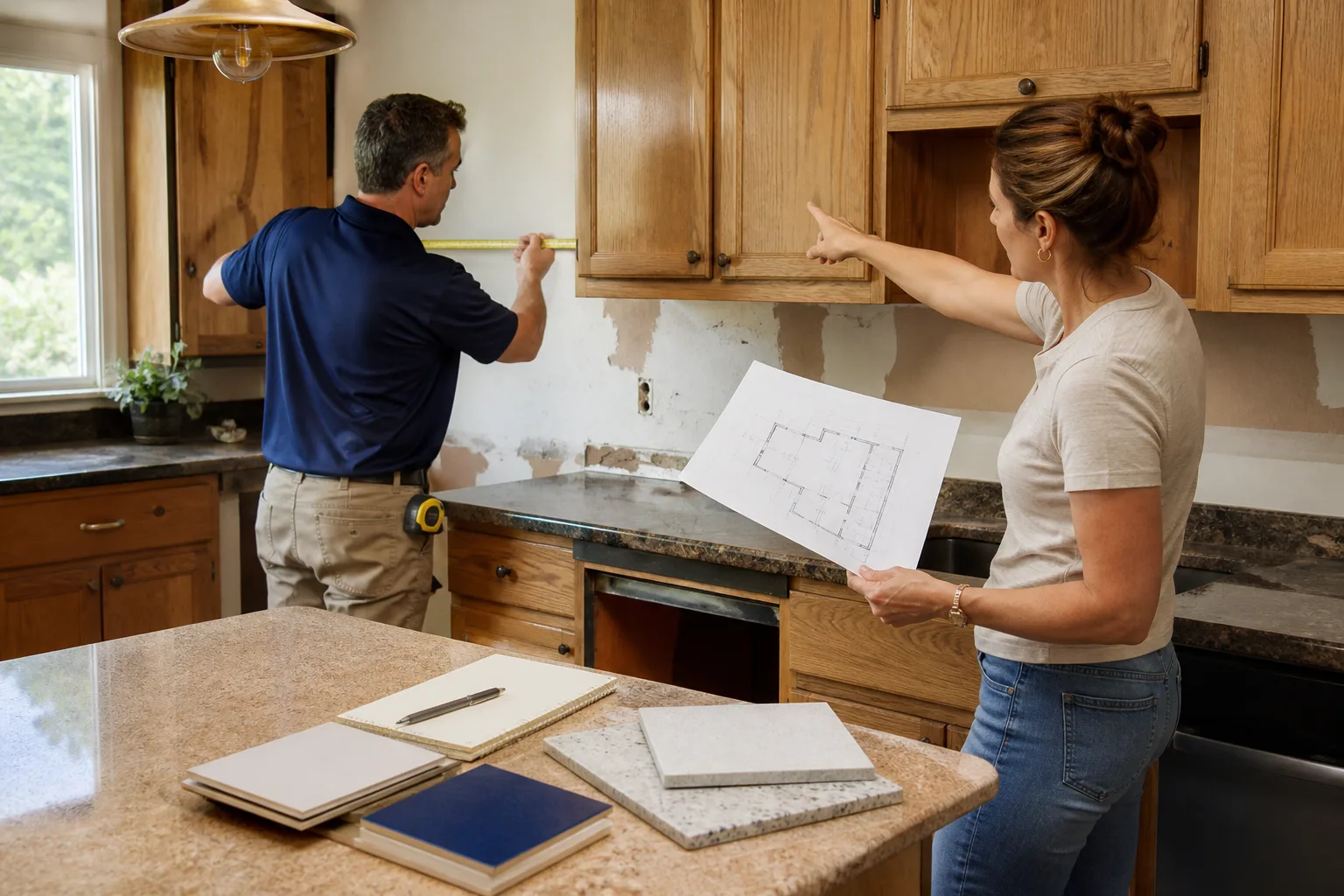
You should know what you’re getting before we ever pick up a tool. That’s how we operate on every job, and it starts with the estimate.
Which Sterling Models This Applies To
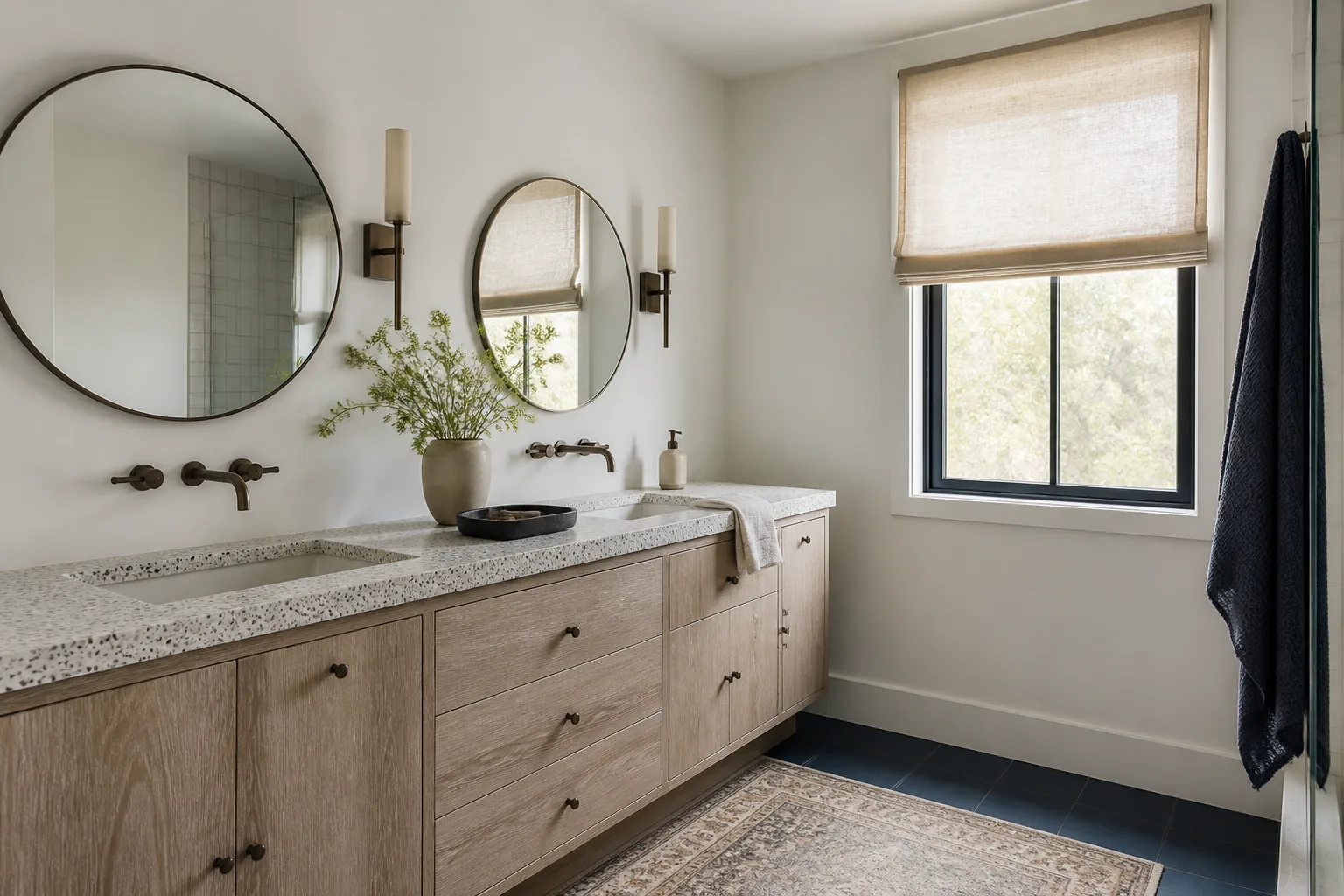
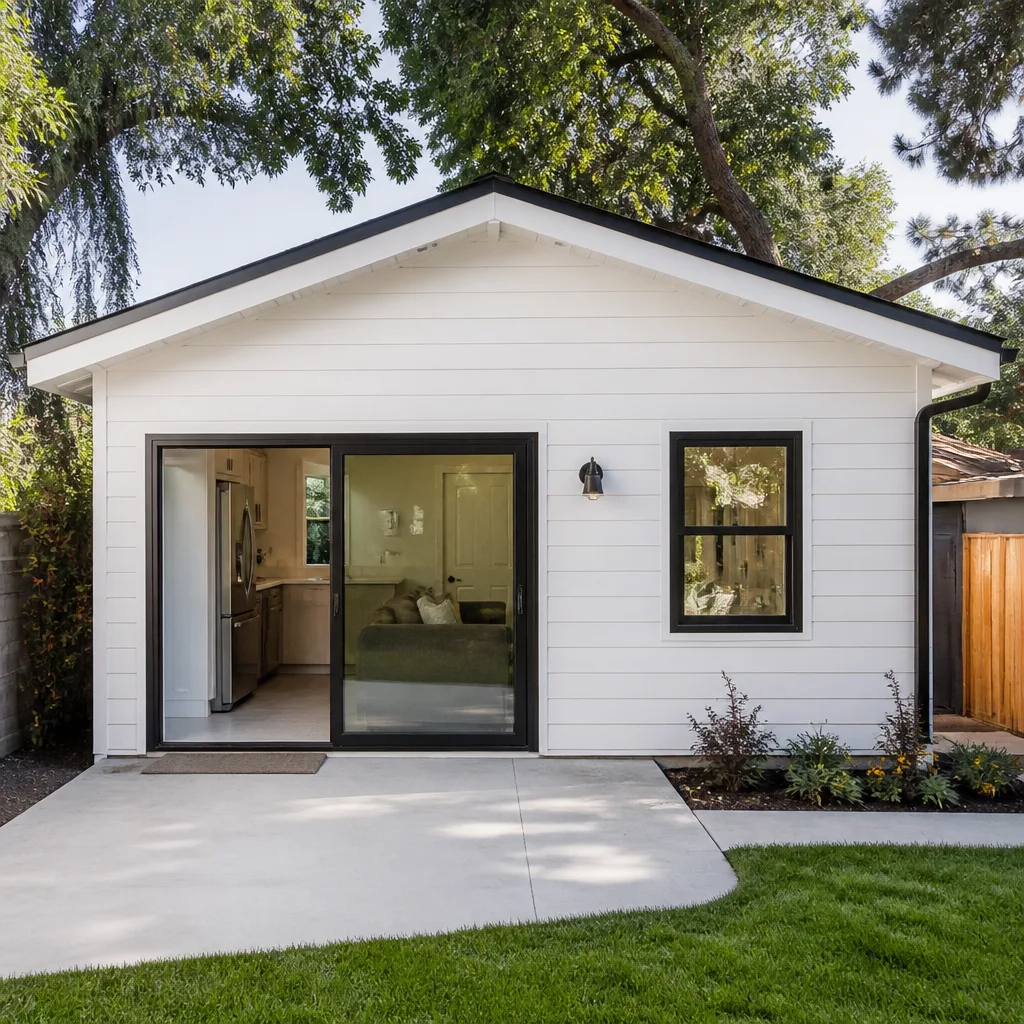
Sterling home additions and ADUs in West Covina fall into three general categories: attached single-story additions, second-story additions, and detached ADUs. Each has different compatibility points with the existing structure, and each has different failure modes. The single-story addition ties into the existing foundation and roofline. The second-story addition requires the original first-floor framing to carry the new load. The detached ADU is the most forgiving because it’s a standalone structure, but it still has to meet West Covina’s zoning setbacks and utility connection requirements.
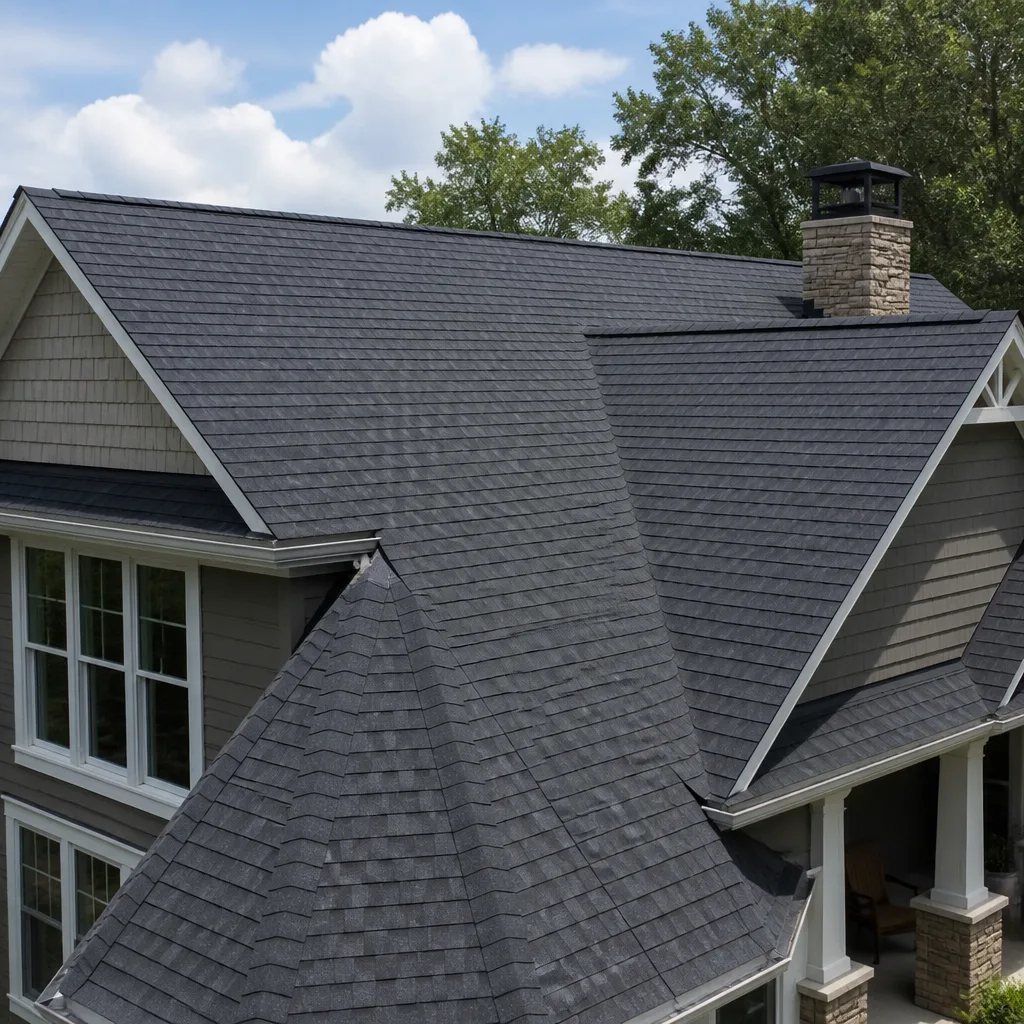
When we assess a Sterling addition or ADU, we’re looking at several things. What’s the roof pitch and material, because the tie-in flashing is almost always the first failure point on older additions. What’s the foundation type, slab or raised, because differential settlement between the original house and the addition shows up as cracks at the seam. What’s the electrical service size at the panel, because an ADU with a kitchen and laundry needs dedicated circuits, and many older West Covina homes still have 100-amp panels that can’t carry the load.
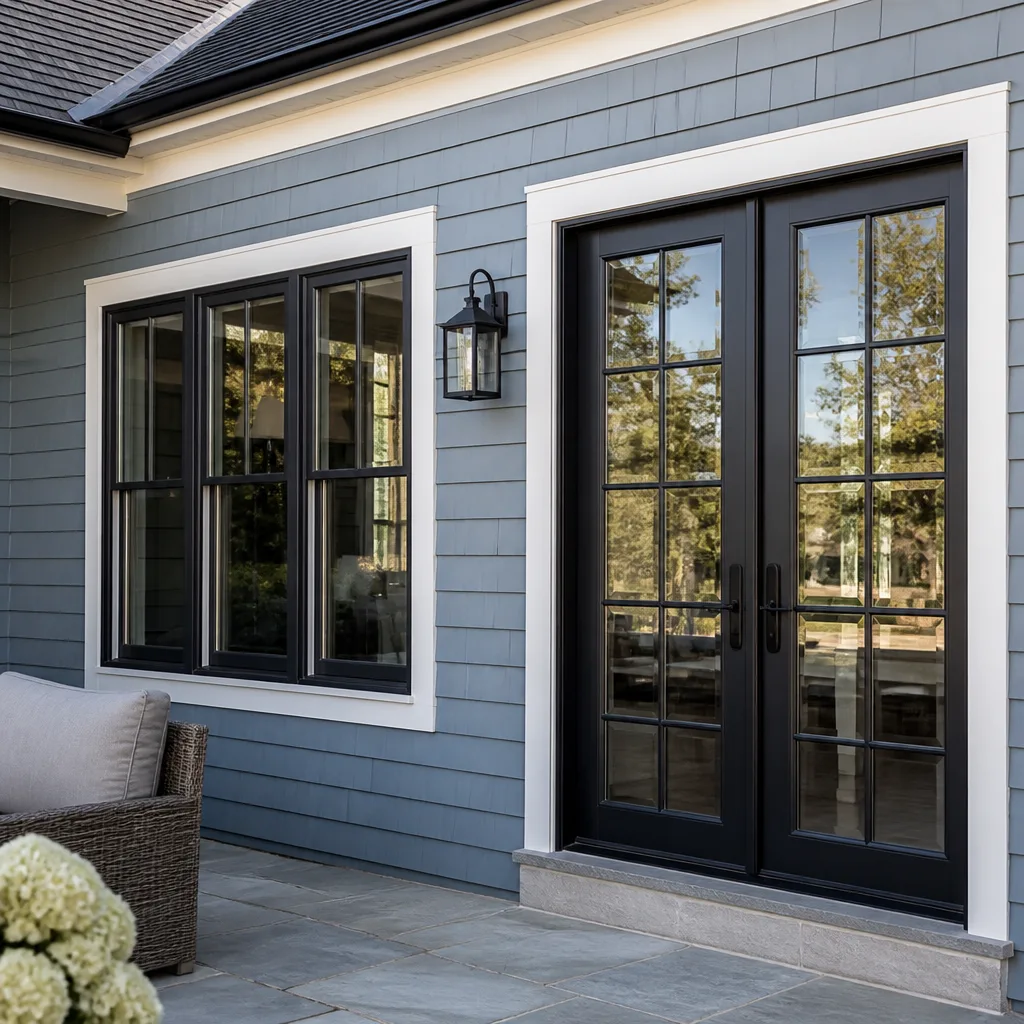
On the OEM-vs-aftermarket question for Sterling specifically: Sterling’s cabinetry lines (we also stock KraftMaid and Cambria products, and work with Silestone for quartz surfaces) use standard framing dimensions, which means replacement windows, doors, and hardware are broadly interchangeable. But the structural components, the Simpson Strong-Tie connectors, the shear wall panels, and the seismic hold-downs, should always meet current California Building Code. There’s no aftermarket shortcut on structural hardware. Buy the specified part or better.
Styles & brands we work with
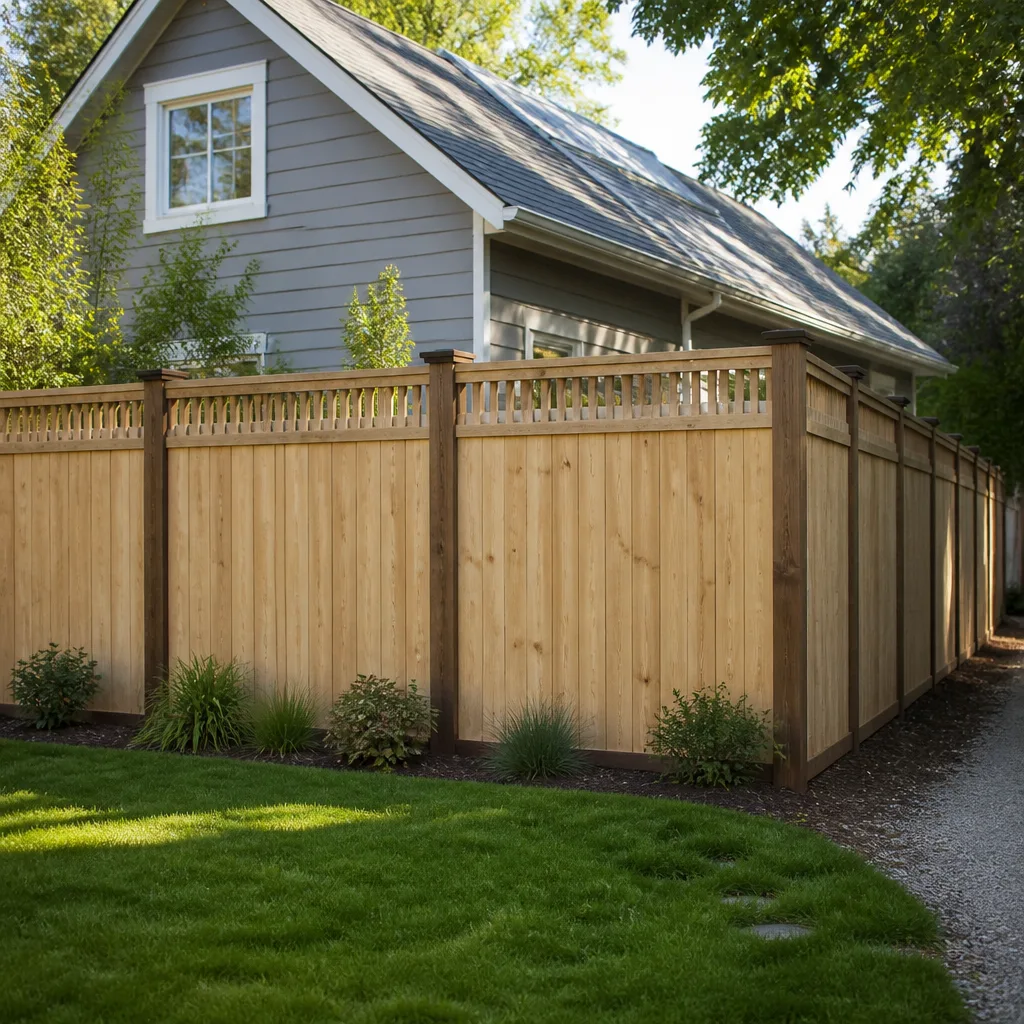
Signs Your Sterling Home Additions & ADU Is Failing
- Cracks at the seam where the addition meets the original house. This is the classic sign of differential settlement. The original foundation has been in the ground for 60 years; the addition’s foundation was poured later. They settle at different rates, and the crack at the seam tells you which one is moving.
- Water staining or soft drywall where the addition roof ties into the main roof. The flashing at the roof intersection fails before anything else. In West Covina’s summer heat, the expansion and contraction cycles work the metal loose, and once water gets under the flashing, it tracks along the trusses before it shows up on the ceiling.
- Doors that stick or won’t latch inside the addition. This usually means the addition’s subfloor or foundation has moved enough to knock the door framing out of square. It’s not the door’s fault. Replacing the door is treating the symptom.
- A noticeable temperature difference between the addition and the rest of the house. Older additions in West Covina were often built with minimal insulation and single-pane windows. If the addition is 15 degrees hotter in August or cold in January, the thermal envelope has failed or was never adequate.
- Electrical problems isolated to the addition. Flickering lights, breakers that trip when you run a toaster and microwave at the same time, or outlets that test as ungrounded all point to undersized or improperly run wiring from the original build.
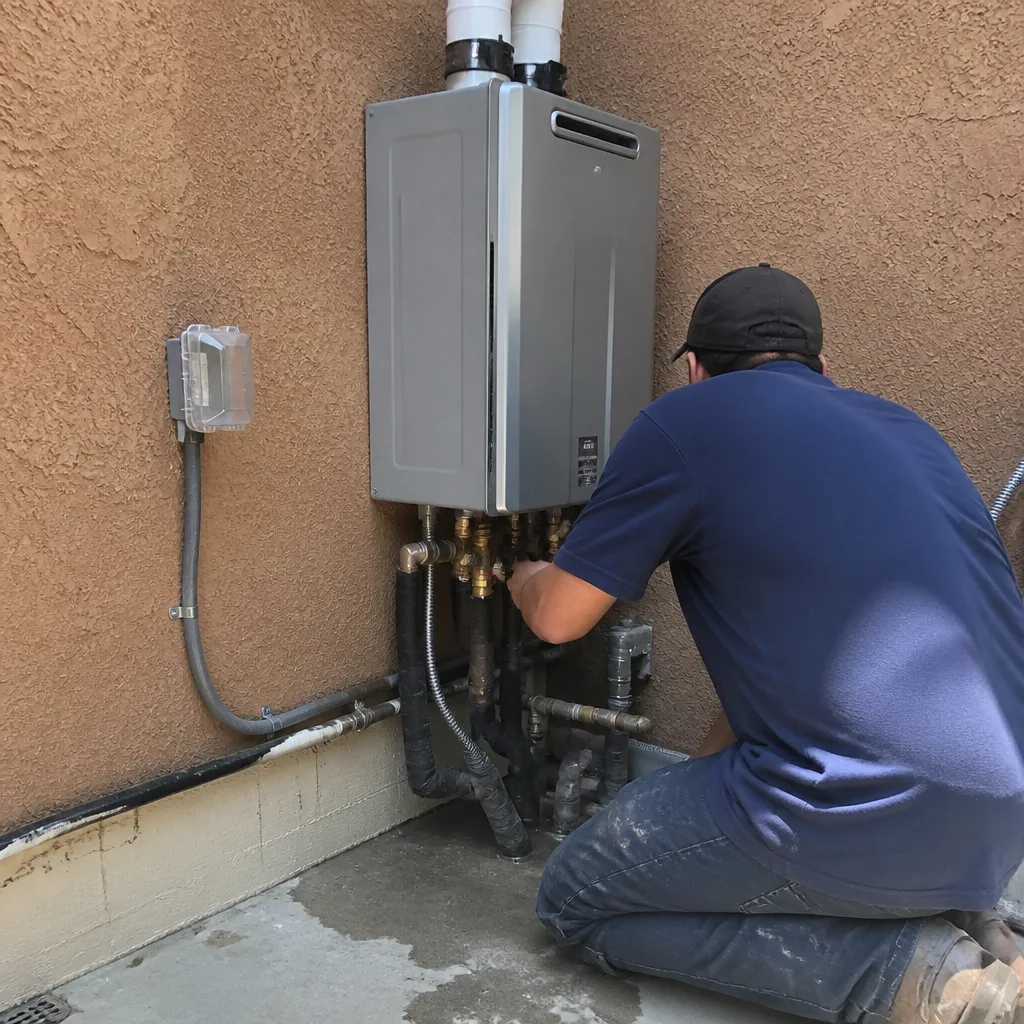
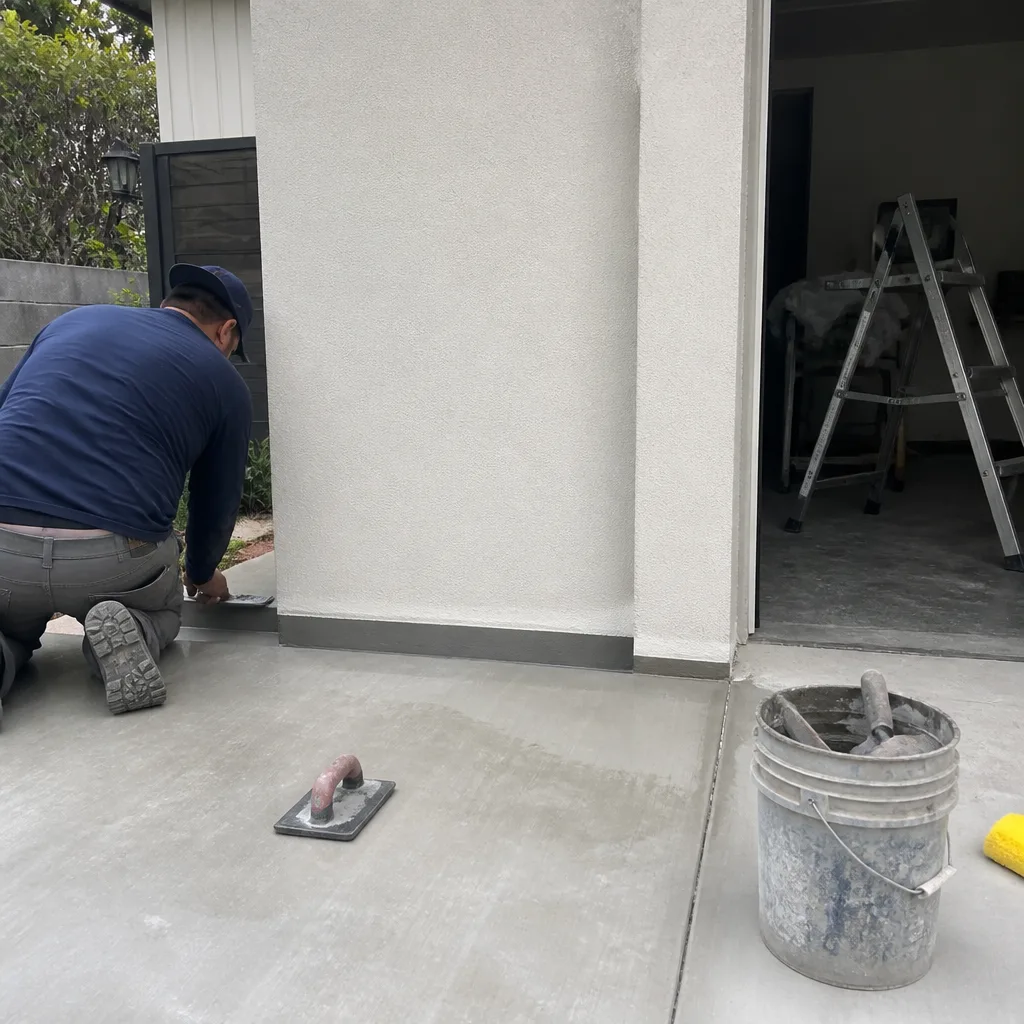
See the difference
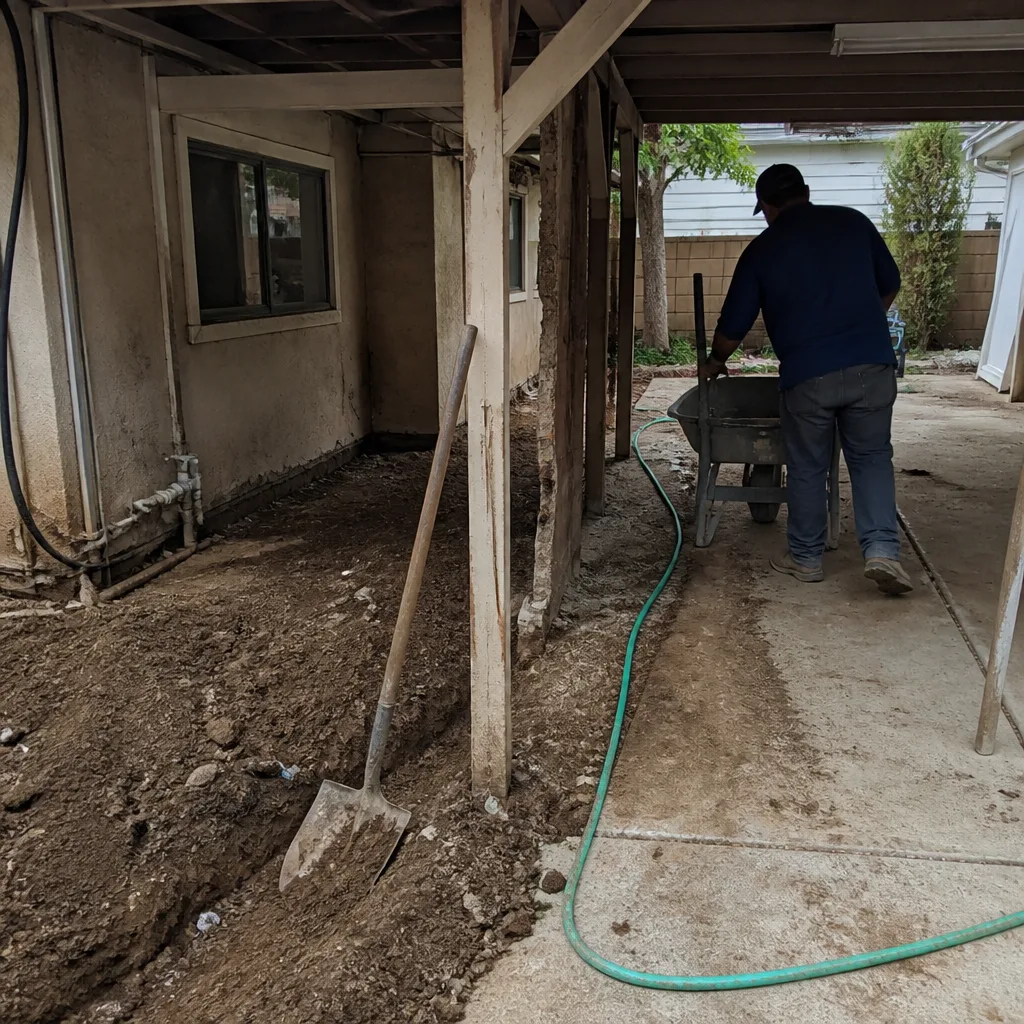 Before
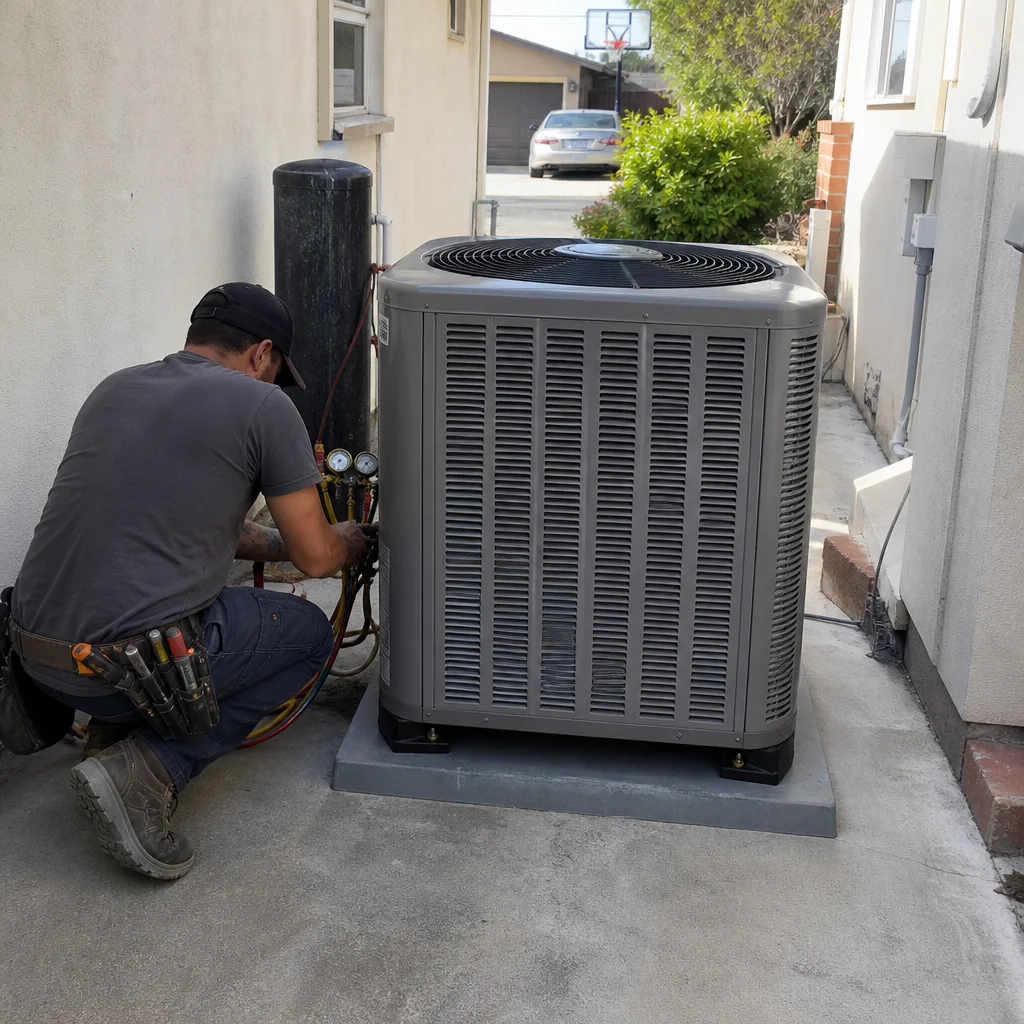 After
After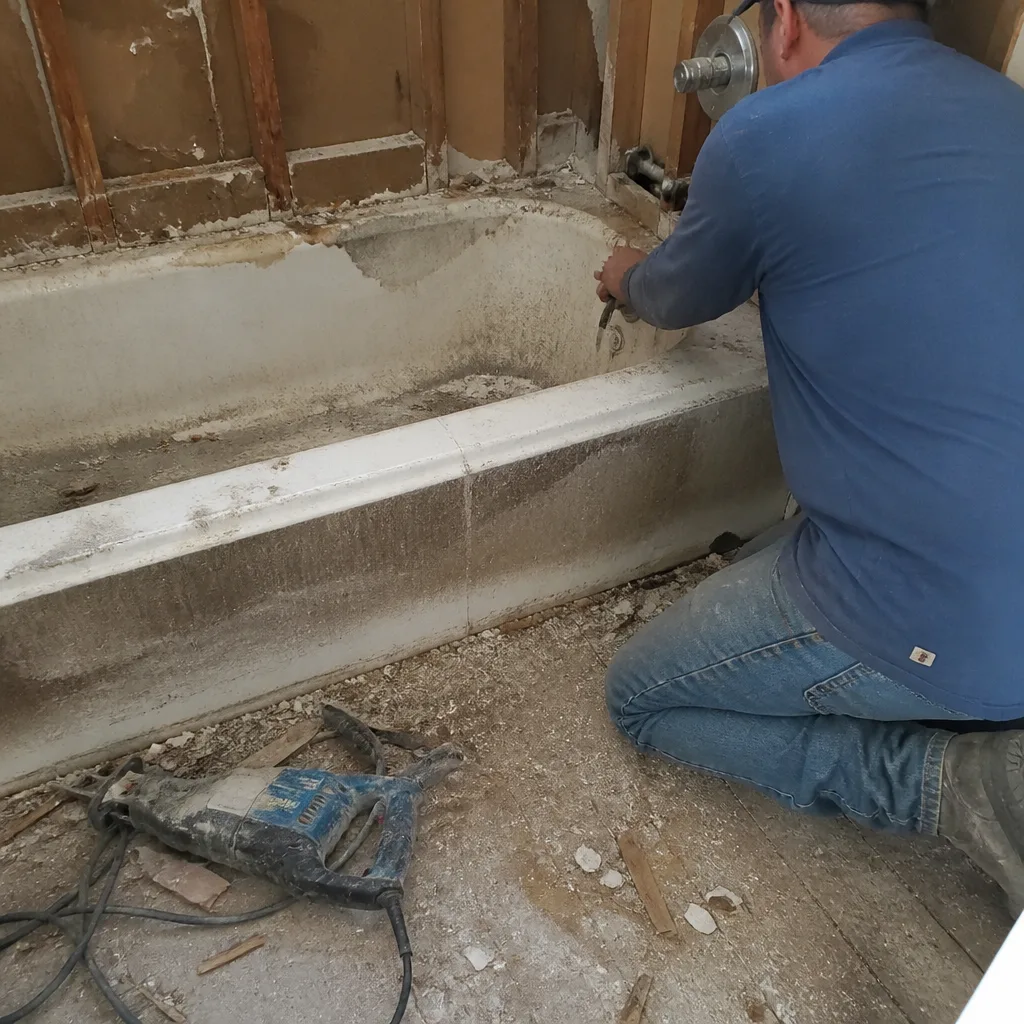 Before
 After
After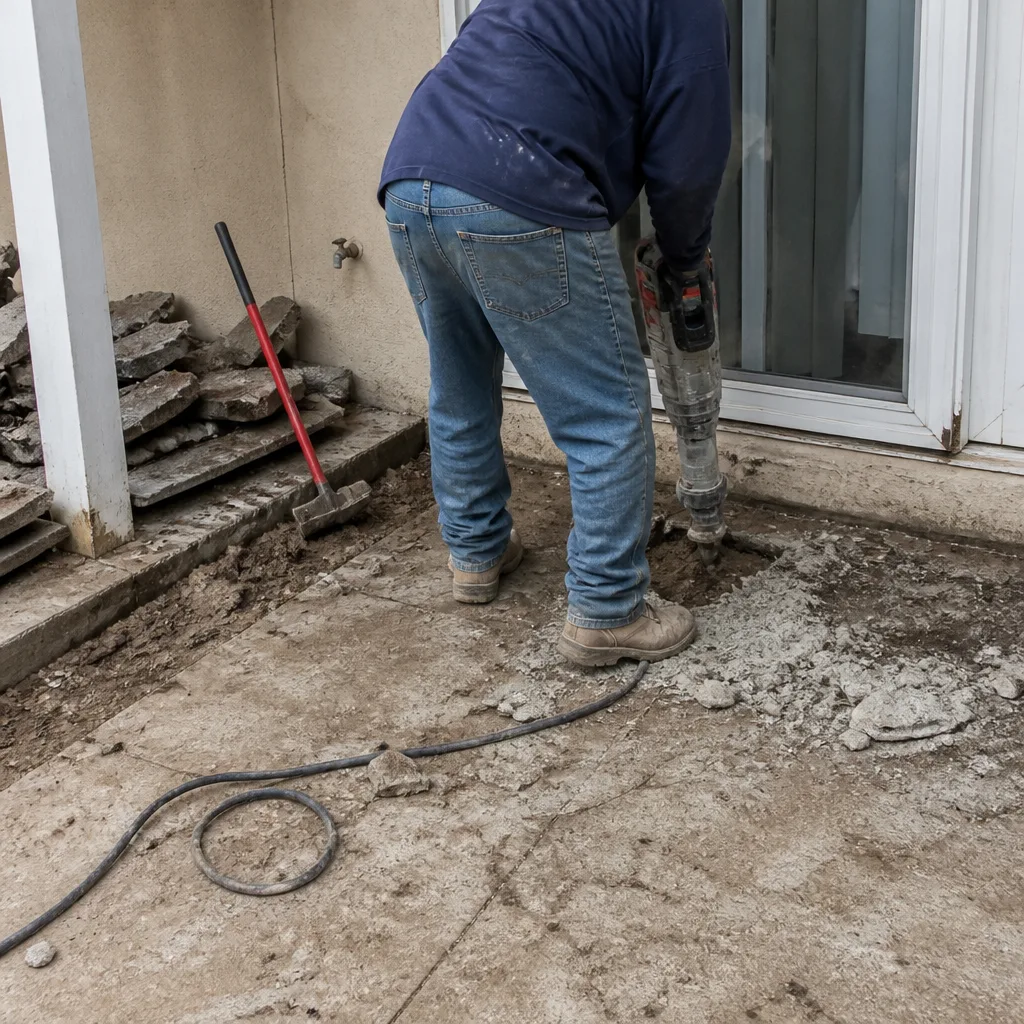 Before
 After
AfterReplacement Cost & What’s Included
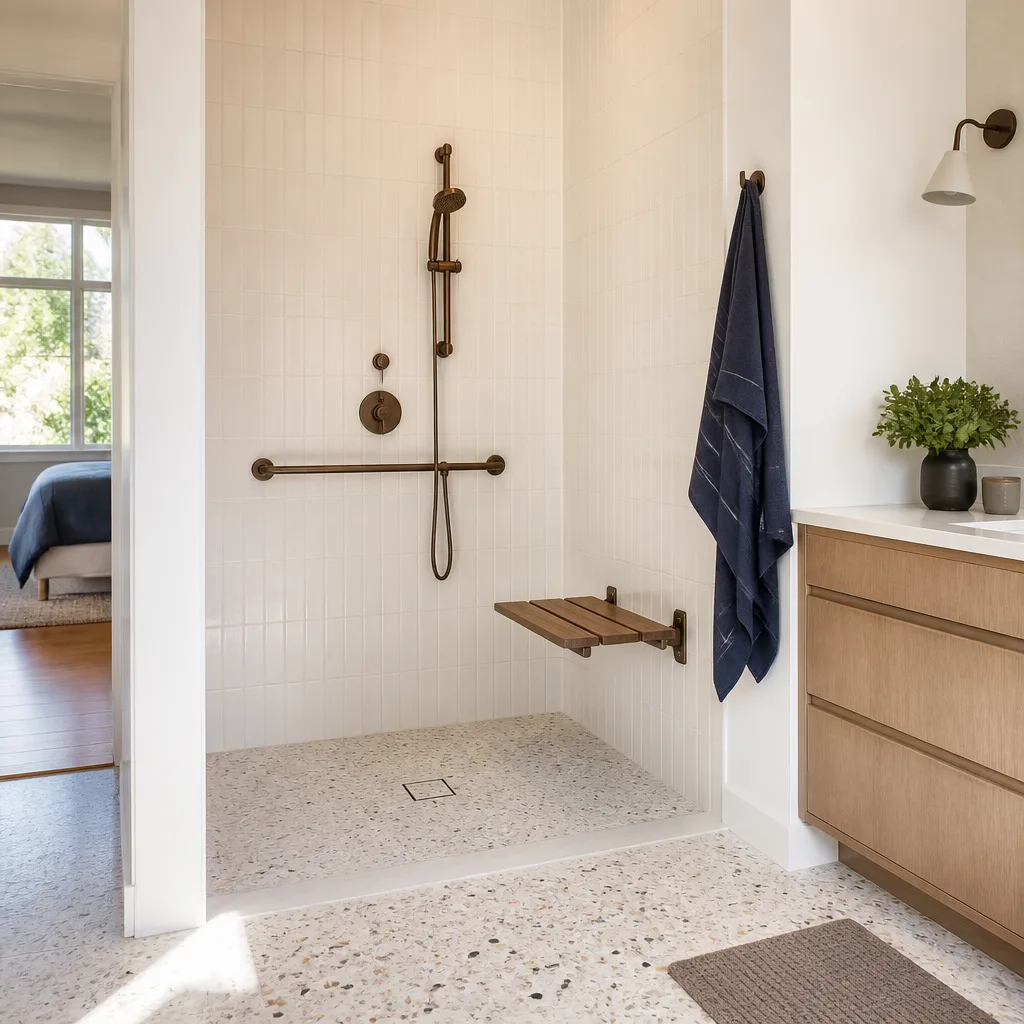
For West Covina, full home additions run $45,000 to $130,000 depending on square footage, finishes, and whether we’re tying into an existing foundation or pouring new. That range covers the structural work, roofing, electrical, plumbing, insulation, drywall, flooring, and paint. It does not include surprises, because there aren’t any: the written price we give you before work starts is the price you pay. If we find something unexpected when we open the walls, we stop and talk to you before proceeding. No change orders hidden in the fine print.
ADU construction in West Covina runs $90,000 to $220,000. The spread is driven by whether it’s an attached conversion of existing space or a detached new build, whether the site needs utility trenching, and what level of finish you want. A basic ADU with a kitchenette and full bath is on the lower end. A detached unit with a full kitchen, laundry hookups, and upgraded finishes lands higher.
Every project we complete carries a written guarantee. It covers our workmanship for 365 days from the completion date, and the terms are stated plainly: what’s covered, what’s excluded, and for how long. If a repair or installation fails within that year, we come back and make it right at no cost to you. That’s the 365-Day Done Right Promise, and it applies to every home addition and ADU we build.
DIY or Call Us?
Here’s the honest split. There are things you can check yourself: look for cracks at the addition seam, check for water staining on the ceiling near the roof tie-in, and note which doors stick and when. You can take photos and measurements. What you shouldn’t do is attempt structural repairs, roof tie-in flashing replacement, electrical panel work, or anything that involves cutting into load-bearing walls. A wrong cut in a load-bearing wall in a second-story addition doesn’t just damage your house, it puts whoever is underneath it at risk. That’s not a weekend project.
If you’re seeing any of the failure signs above, or you’re ready to price out a new addition or ADU in West Covina, call Mason Remodeling Co West Covina at (707) 760-7579. We’ll walk the site with you, explain what we’re seeing in plain terms, and give you a written price before any work starts.
FAQs
A properly built addition or ADU in West Covina should last as long as the original house, meaning 50-plus years for the structural frame, assuming the foundation, roof, and building envelope were done correctly and maintained. The weak points are the tie-in flashing and the exterior caulking, which realistically need inspection and occasional replacement every 10 to 15 years in our heat and sun. If your addition is showing signs of failure at 20 years, the issue is usually an original construction shortcut, not normal aging. Call (707) 760-7579 and we’ll tell you what we see.
Yes, and most of the time it should be. Foundation settlement at the seam can be addressed with underpinning or helical piers in the affected section. Roof tie-in leaks are usually a flashing replacement rather than a roof replacement. The decision point is when we open the walls and find structural rot, failed shear panels, or electrical work that can’t be brought up to code without opening everything anyway. We’ll give you the repair option and the replacement option with real numbers for both, and you decide. Estimates are free.
A typical single-story home addition in West Covina runs three to five months from permit approval to final inspection. A detached ADU runs four to seven months. The variables are the city’s plan check timeline, whether utility trenching is required, and how quickly you finalize finish selections like cabinetry and countertops. Before we start, you’ll have a written schedule that includes every phase, and if something is going to take longer, we tell you before it becomes a problem, not after.
We don’t stock structural materials on a shelf the way we’d stock a replacement part, because every addition and ADU is site-specific. What we do have is specification-grade material partnerships across the brands that matter: KraftMaid and Wellborn for cabinetry, Cambria, Silestone, and Caesarstone for surfaces, Kohler, Moen, and Toto for fixtures, and GAF and CertainTeed for roofing. When we write your estimate, the materials are named and priced. No unspecified allowances that balloon later.
Written by Isaac Pruett, Owner, Mason Remodeling Co West Covina at Mason Remodeling Co West Covina, serving West Covina and nearby areas.
If you’re ready for a written price on your Sterling home addition or ADU project in West Covina, call (707) 760-7579 today. A live person answers, and the estimate is free.