Free written scope consultation - allowances, timeline, and change-order rules on paper before a single trade is scheduled
James Hardie Windows & Doors: The West Covina Owner’s Guide
If you’re dealing with a failed or failing James Hardie window or door component in West Covina, we stock the replacement parts that match your existing trim, flashing, and mounting system, and we install them for $4,500 to $15,000 depending on scope. Most owners discover the problem the same way: a window that suddenly won’t close flush, a door that drags against the jamb, or trim that’s pulling away after a few hot San Gabriel Valley summers. What tends to fail first with James Hardie systems isn’t usually the window itself but the integration points around it: the head flashing, the sill pan, the trim boards that channel water away from the rough opening. Those are also the parts that protect the rest of your wall, which is why we treat a trim or flashing failure as a repair that matters this week, not next season.
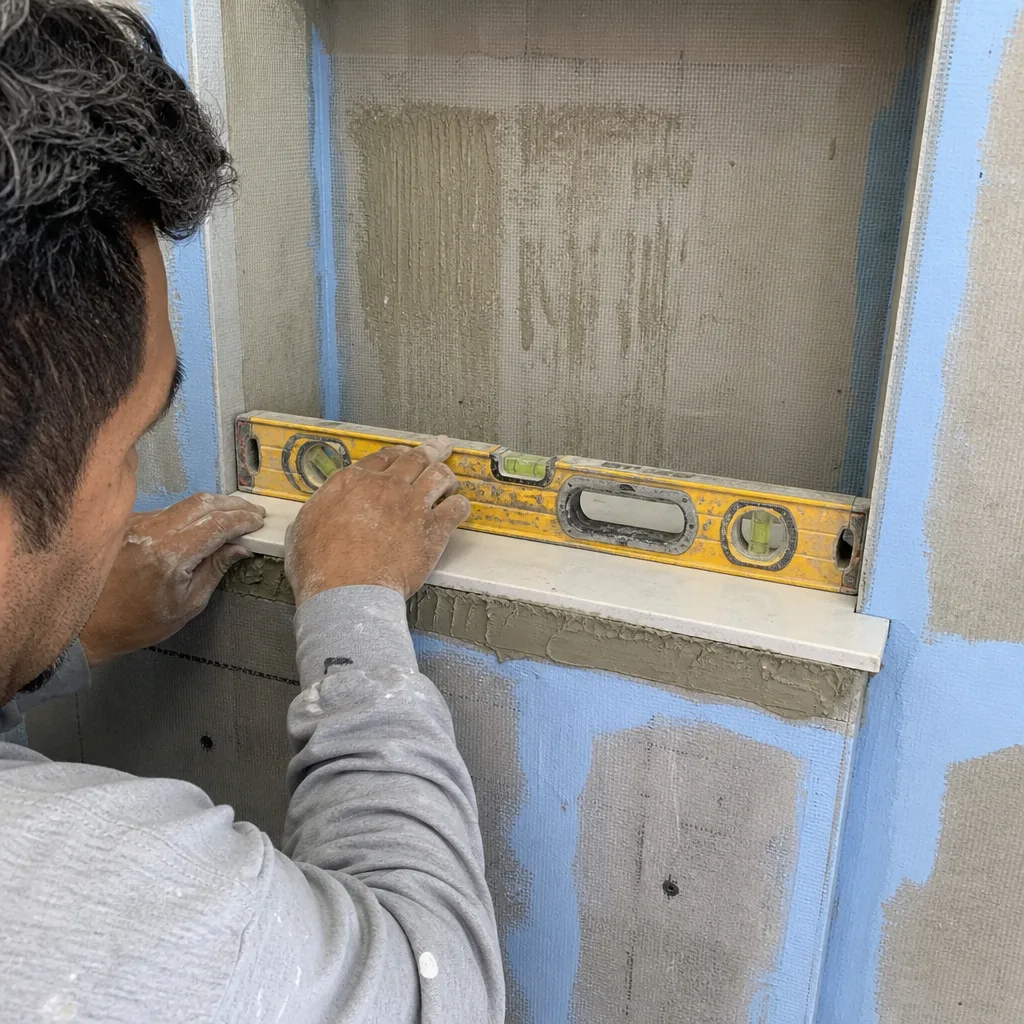
The failure pattern is predictable in West Covina. Our dry heat cycles bake sealants until they crack. Then a heavy winter rain finds the gap. Water gets behind the trim, the fiber cement absorbs it at the edges, and you see swelling, staining, or paint peeling in a line around the window or door frame. By the time it’s visible from the street, the rough opening usually needs inspection too.
Which James Hardie Models This Applies To

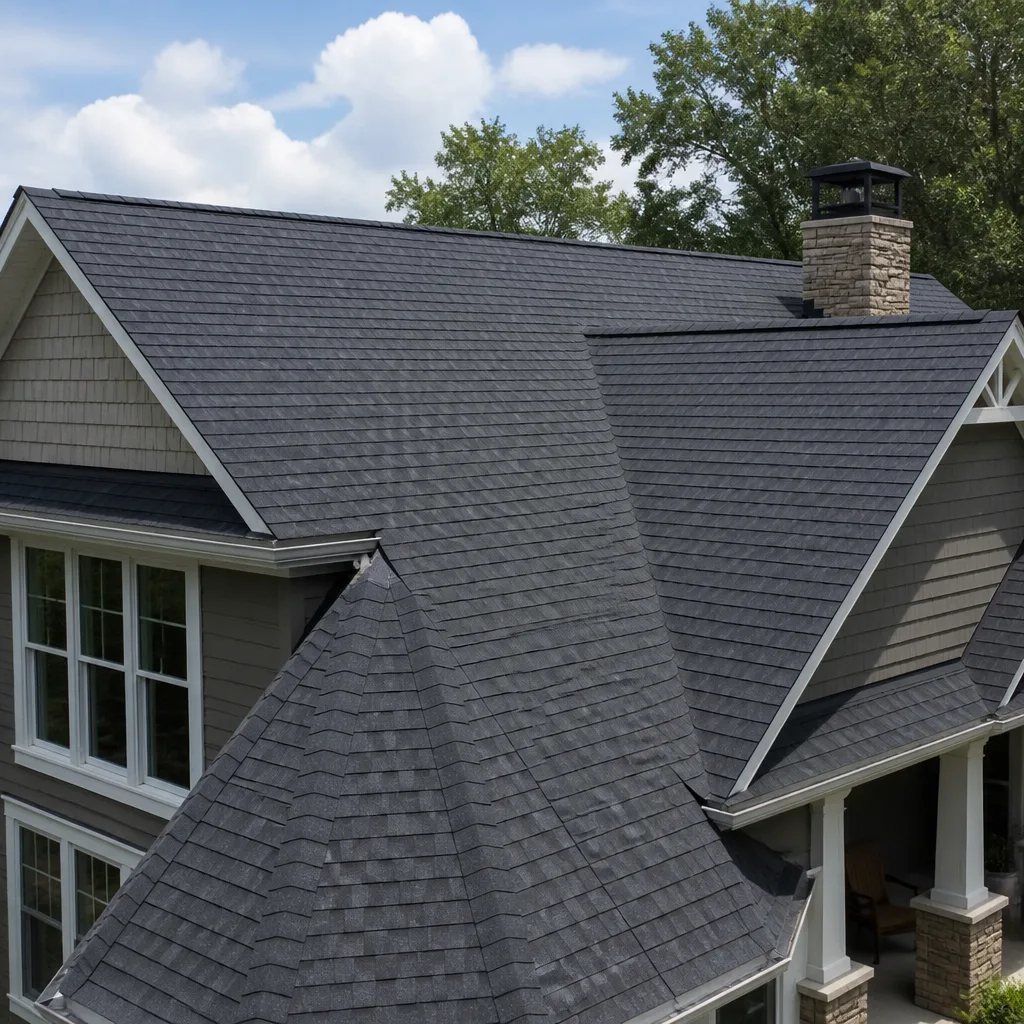
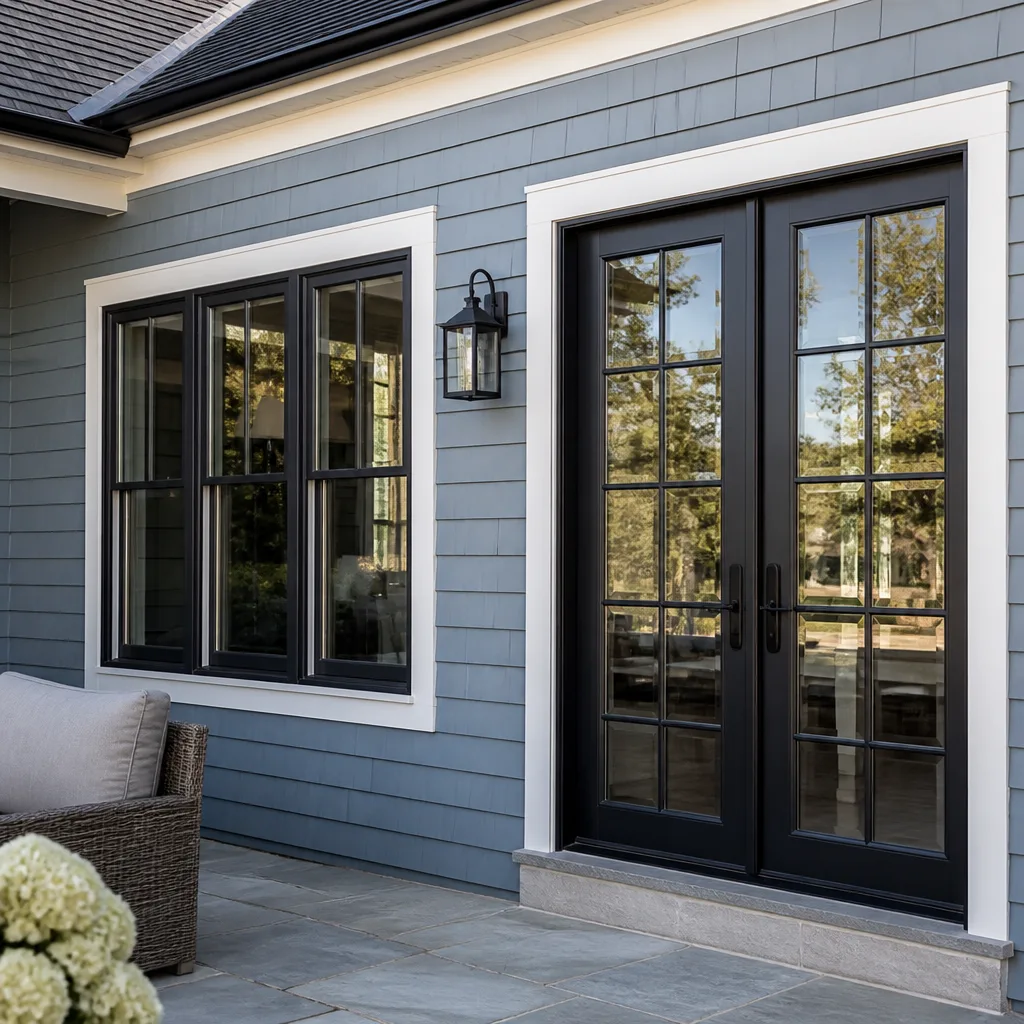
James Hardie manufactures a range of trim boards, fascia, and flashing products that surround window and door openings, and the compatibility question is specific. Your windows themselves are almost certainly not made by James Hardie. The brand is known for fiber cement siding, trim, and weather barriers. When we say James Hardie windows and doors, we mean the HardieTrim boards, HardieSoffit panels, and HardieWrap weather barrier assembled around the window or door unit, plus the flashing tapes and sill pans that complete the waterproofing.
Here’s the gotcha that catches West Covina homeowners: HardieTrim comes in several profiles and widths that changed over the years. Older homes from the early 2000s often have 3/4-inch trim in a 4/4 profile, while newer construction favors 7/16-inch in a 3/4 or 5/4 profile. If you measure the visible face and just order that, you’ll get the wrong reveal. You need to check the thickness at a cut edge or remove an escutcheon plate to see the actual slab. We carry factory-size-matched stock for both generations plus weather-rated primed board that we cut to match your opening, because trying to mix 7/16-inch replacement trim next to existing 3/4-inch boards will look wrong for the life of the home.
OEM versus aftermarket matters here. James Hardie’s own trim and flashing products are what we recommend for critical water-shedding locations around windows and doors. There are quality aftermarket fiber cement trim boards on the market that meet the same ASTM standards, and for budgets where the opening is protected by a deep eave or porch roof, they’re a reasonable option. Around unshaded south and west-facing openings in West Covina, where UV and heat do the most damage, we steer toward the Hardie-branded product. The difference is in edge sealing and density consistency, and those are the failure points in our climate. We also stock complementary brands for the surrounding work: KraftMaid, Cambria, and Silestone parts when the window or door project touches cabinetry or countertops.
Styles & brands we work with
Signs Your James Hardie Windows & Doors Are Failing
These are the five calls we get most often, with what they actually mean when we open up the wall:
- Trim pulling away from the siding at the corners. Water has gotten behind the board and the fasteners are now holding to softened substrate or nothing at all. This is rarely a cosmetic problem. It means the sealant bead failed at the joint and the opening has been taking on water for a season or more.
- A chalky white residue or bubbling under paint at the bottom corners. Water is being absorbed through the cut edge at the sill. James Hardie trim is water-resistant, not waterproof, and unsealed bottom edges wick moisture upward. Once the paint delaminates, the board is compromised.
- Window now sticks or the door drags along the threshold only in certain weather. The rough opening is moving. Usually the sill pan wasn’t sloped correctly or the flashing was installed backwards. The window or door itself may be fine. The opening around it is the problem.
- Caulk lines cracking within months of being replaced. The wrong sealant was used. Fiber cement needs a high-movement paintable sealant designed for expansion. Standard acrylic caulk from a hardware store fails in one West Covina summer.
- You can see daylight at the top or sides of the window when standing inside with the lights off. The unit shifted or the weatherstripping seat was never correct after the last trim replacement. This is an air leak in the best case and a water entry point in the worst.
See the difference
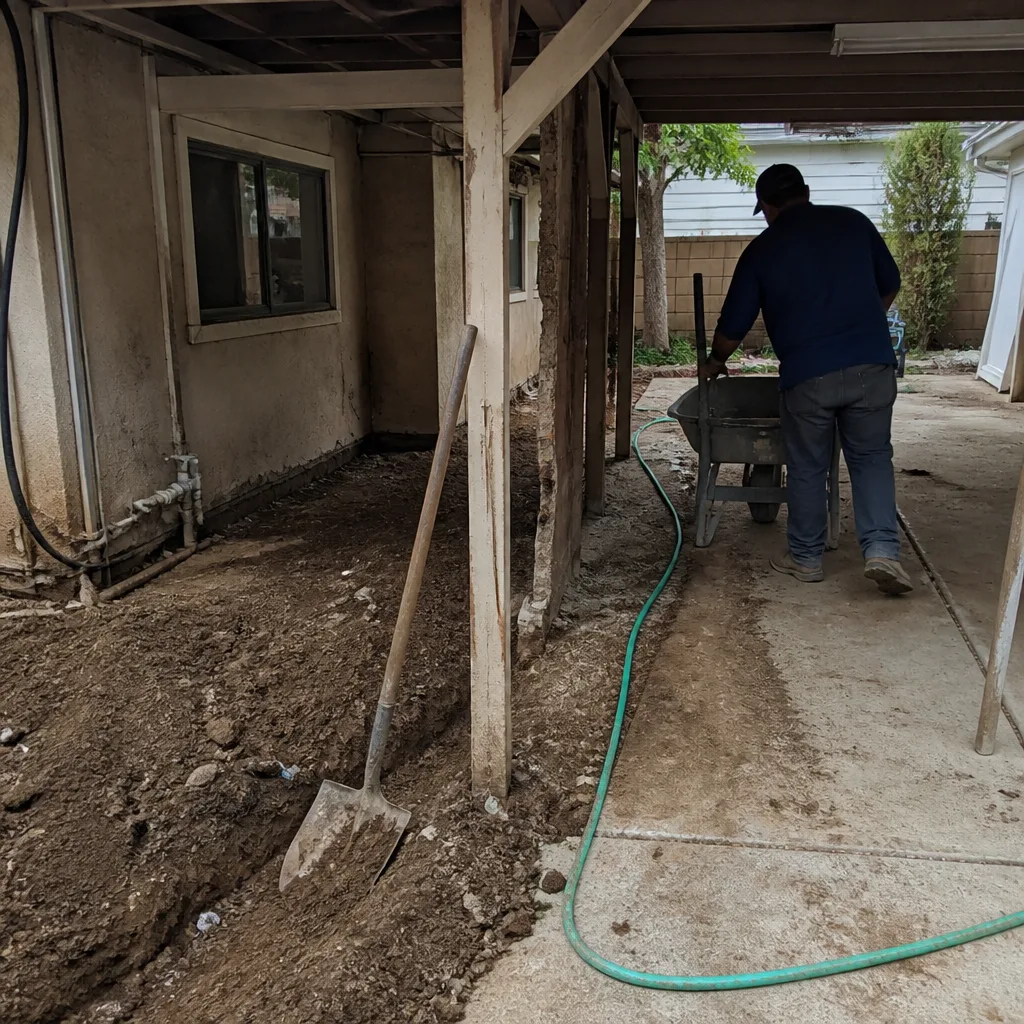 Before
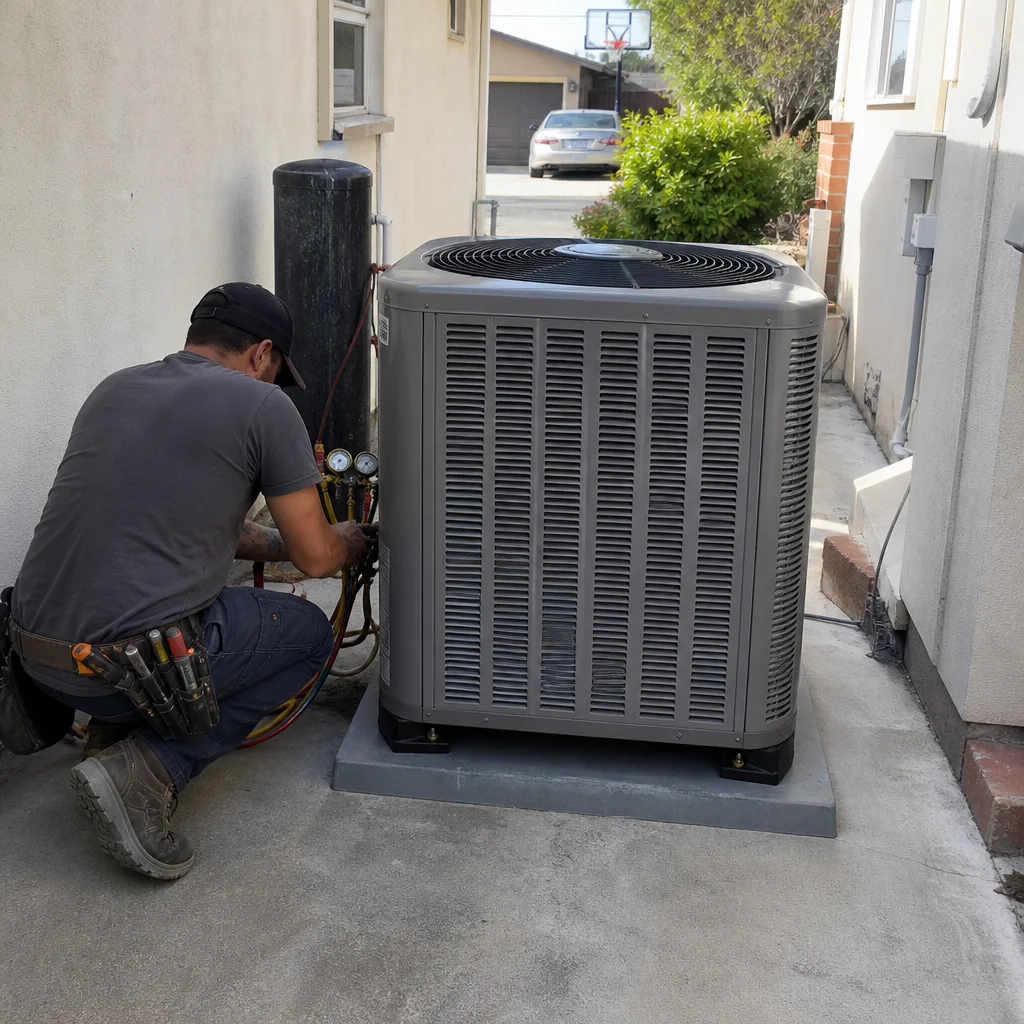 After
After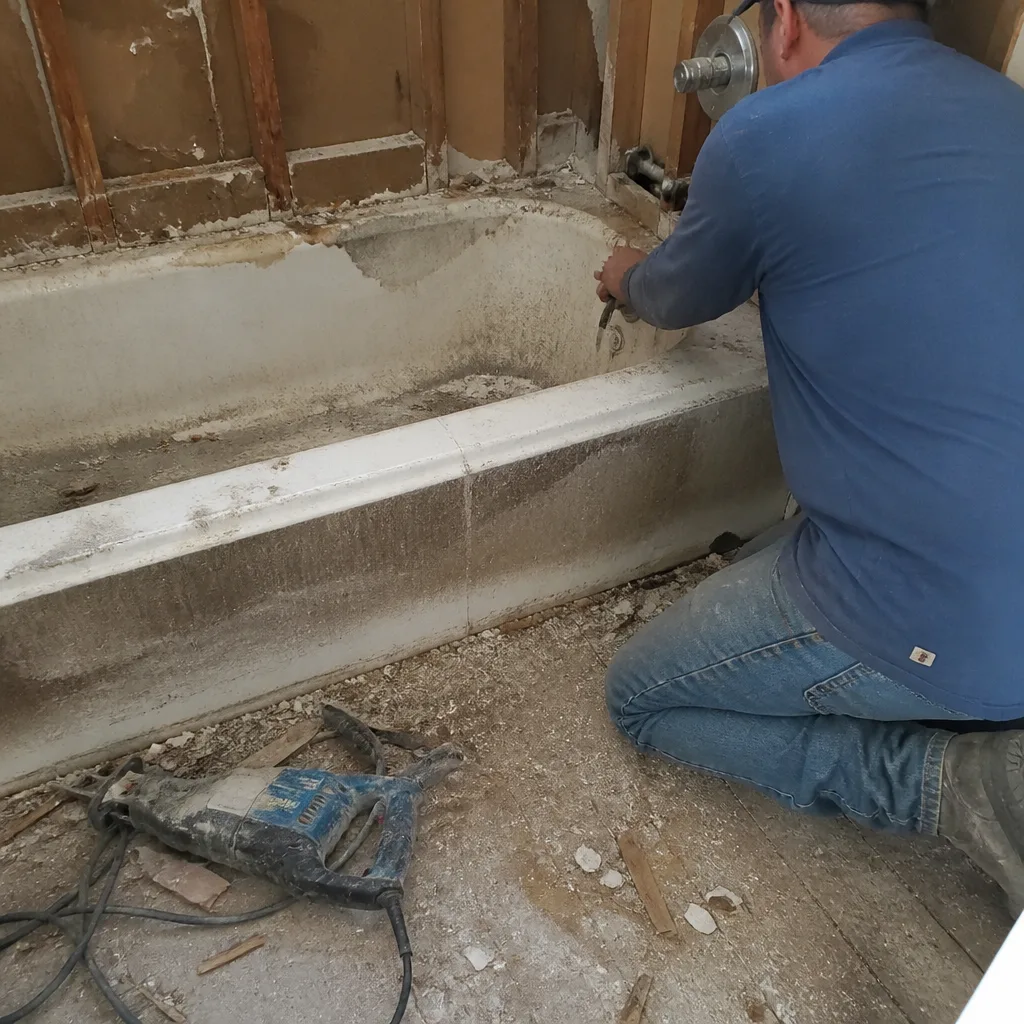 Before
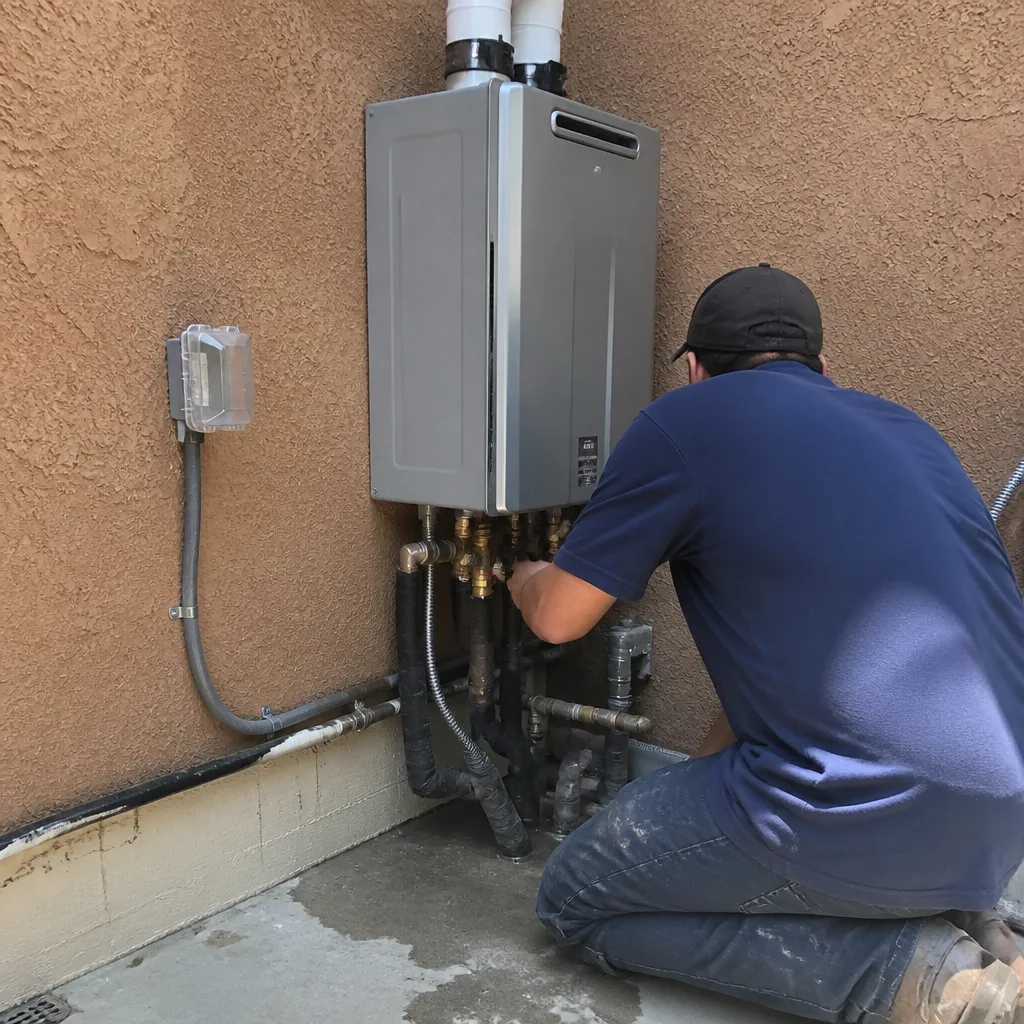 After
After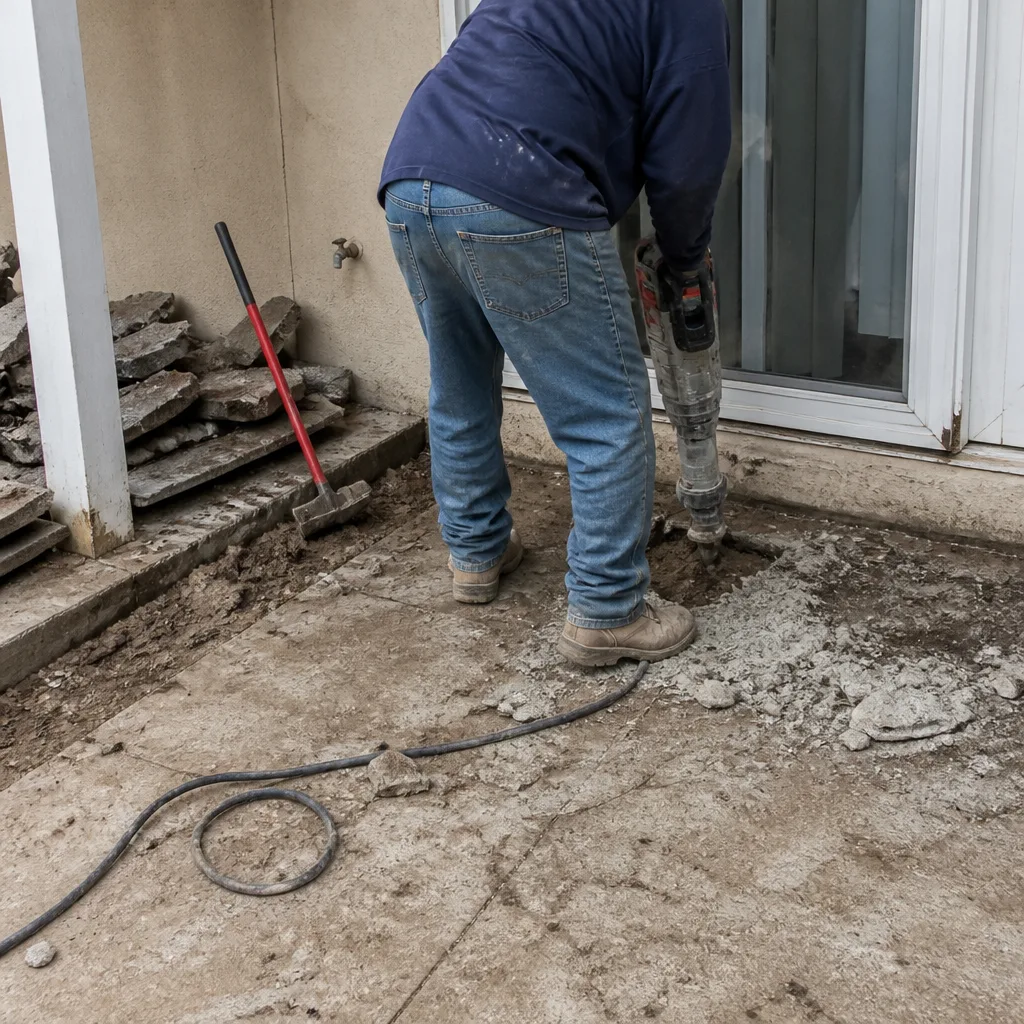 Before
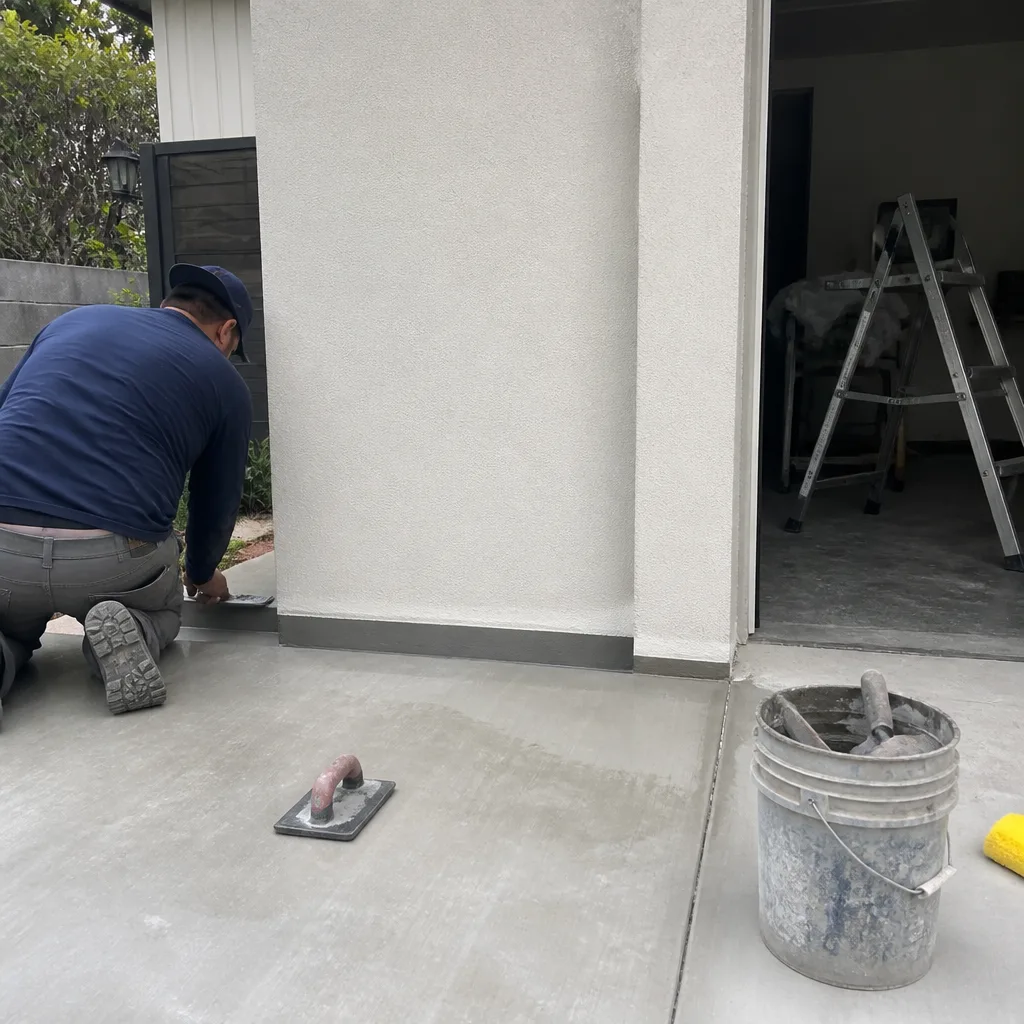 After
AfterReplacement Cost & What’s Included
For window and door trim, flashing, and weather barrier replacement around James Hardie openings in West Covina, the work typically runs $4,500 to $15,000 installed. A single window opening with failed flashing and two trim boards replaced runs toward the bottom of that range. A full perimeter rebuild including new sill pan, new head and side flashing, all trim removed and replaced, and repainting runs toward the top. If you’re updating the entire window unit itself while we’re there, expect the project to sit in the $8,000 to $25,000 range for impact-rated replacement windows, depending on count and glass spec.
What drives your number: how many openings, whether the rough opening wood is still sound, whether stucco or hardie siding must be cut back to reach the nailing flanges, and whether a ladder or scaffolding is needed for second-story work. We give you a written line-item price before work starts, with parts and labor separated. If the scope changes after we open the wall, you see the new number in writing before we proceed. You should know what you’re getting before we ever pick up a tool. And the work itself is covered by our 365-Day Done Right Promise: if anything we installed fails within a year of completion, we return and make it right at no charge.
DIY or Call Us?
You can safely do the observation work. Check your trim boards for soft spots, look for cracking caulk, and note whether any doors drag more when the Santa Anas have been blowing. Those notes help you decide if this is urgent or can wait a season. What you should not attempt is removing James Hardie trim and flashing around a window or door yourself. The cuts release silica dust. The fasteners are often corroded in place. And the moment you expose the rough opening, you’re committed to a waterproofing sequence that has to be right the first time or your wall starts rotting behind a finished surface where you can’t see it. If the opening underneath is damaged, you’ll also be into structural repair that requires a permit in West Covina. That’s the point where a well-intentioned weekend repair becomes a five-figure problem. If you’re unsure whether your opening is safe or failing, call us at (707) 760-7579. A quick phone consultation costs nothing, and we’ll tell you honestly if it can wait.
FAQs

The fiber cement trim and flashing around your windows should last 20 to 30 years in the San Gabriel Valley if the original installation was done correctly and the sealants are maintained every five to seven years. The weak point is never the Hardie board itself. It’s the sealant joints and any unsealed cut edges. We’ve opened up West Covina homes where 25-year-old trim was solid and the only failure was a dime-sized crack in the caulk that let water work in for a decade. Call (707) 760-7579 and we’ll assess whether yours can be sealed or needs replacement.
Sometimes, if the damage is limited to the paint layer and the board is still sound underneath. But once the board has swelled, delaminated, or softened, repairs are temporary at best and we don’t offer them because they create future failures. Boards that are structurally intact can be sanded, primed, and repainted. Boards that have absorbed water cannot be saved. We’ll tell you which category yours fall into, and the answer might be different for each opening on the same house.
A single opening with trim and flashing replacement is a one-day job for a two-person crew in most West Covina homes. A full home with four to six openings done correctly including water barrier inspection and painting will typically run three to five working days, weather-dependent. We won’t do partial-day rushed work, because the waterproofing layers need proper cure time between steps.
We keep the common trim profiles on hand, along with the flashing tapes, sill pans, and sealants specified for fiber cement installation. If your home needs a less common profile or a custom width, we order directly from our supplier for the job, and that adds a few days to the schedule. Either way, the part cost is in your written quote before we start.
If your James Hardie windows or doors are showing signs of water intrusion, trim failure, or just aren’t closing the way they used to, call Mason Remodeling Co West Covina at (707) 760-7579. We’ll schedule a time to look at your openings, give you a written price for exactly what needs to be done, and tell you who’s coming to your door before they arrive.
Written by Isaac Pruett, Owner, Mason Remodeling Co West Covina at Mason Remodeling Co West Covina, serving West Covina and nearby areas.