Free written scope consultation - allowances, timeline, and change-order rules on paper before a single trade is scheduled
Atlas Home Additions & ADU: The West Covina Owner’s Guide
If your Atlas home addition or ADU is showing signs of failure, here’s what you need to know: full home additions in West Covina run $45,000 – $130,000 installed, while a complete ADU construction typically lands between $90,000 and $220,000. Most owners notice the problem first through cracks at the roofline or exterior wall seams where the addition ties into the original structure, or through doors inside the addition that suddenly stick. We stock the structural tie-in hardware, flashing assemblies, and framing connectors that Atlas additions use, and we can usually diagnose the exact failure point in one site visit.
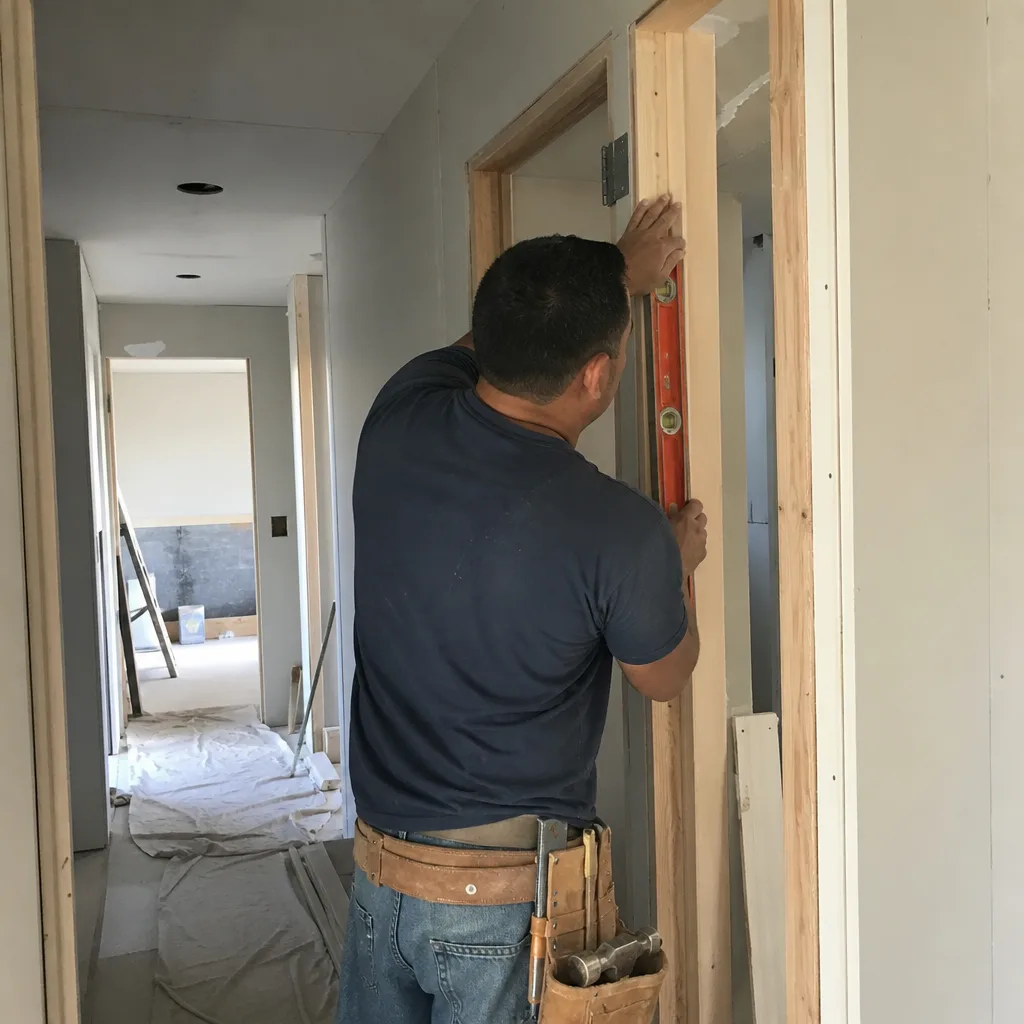
What surprises most West Covina homeowners is how often the “part” that failed is actually the connection point, not the room itself. An addition that’s pulling away from the main house, a studio ADU with a sagging ridge beam, or drywall cracks that spread in stair-step patterns through the addition’s corners. These are the calls Isaac Pruett and our crew have walked into for years across the San Gabriel Valley, including plenty of jobs near Eastland Center where 1950s-era homes got additions decades ago and the original flashing has finally given out.
Which Atlas Models This Applies To
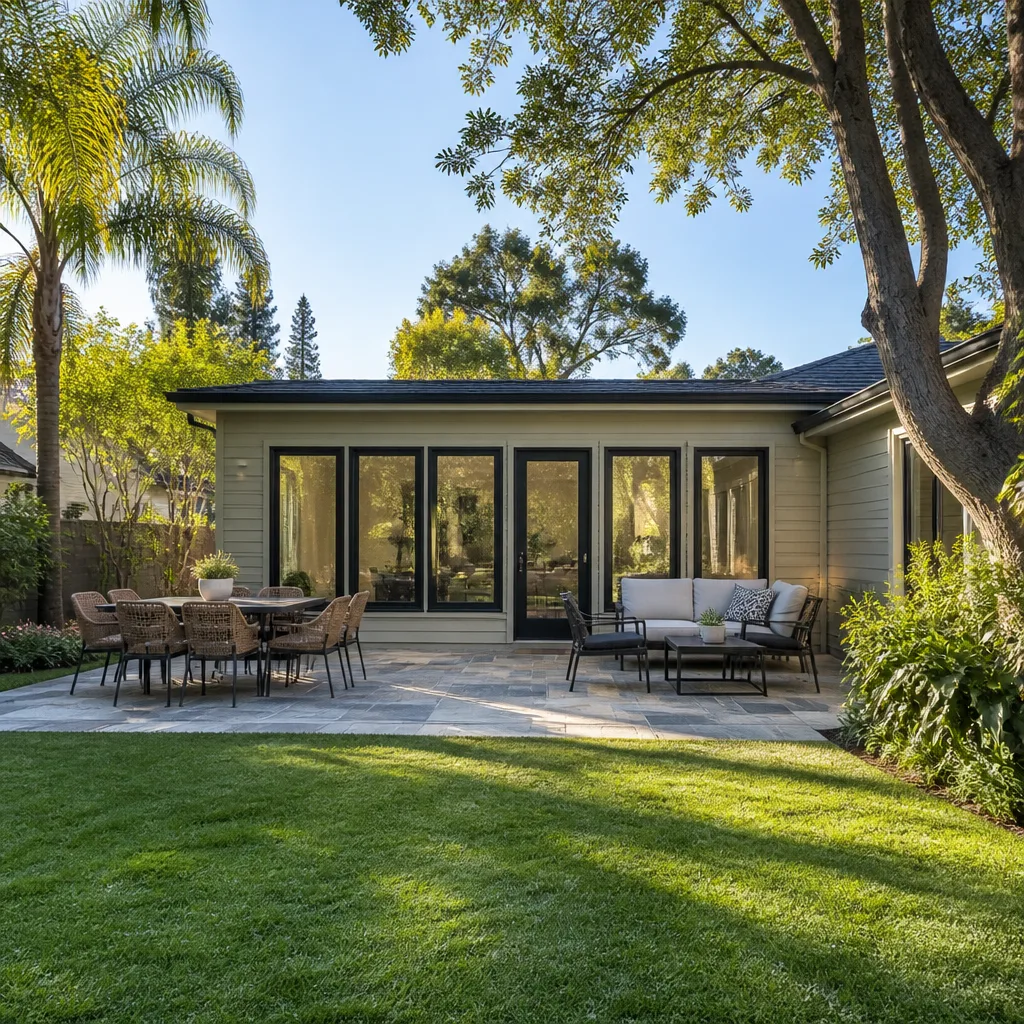
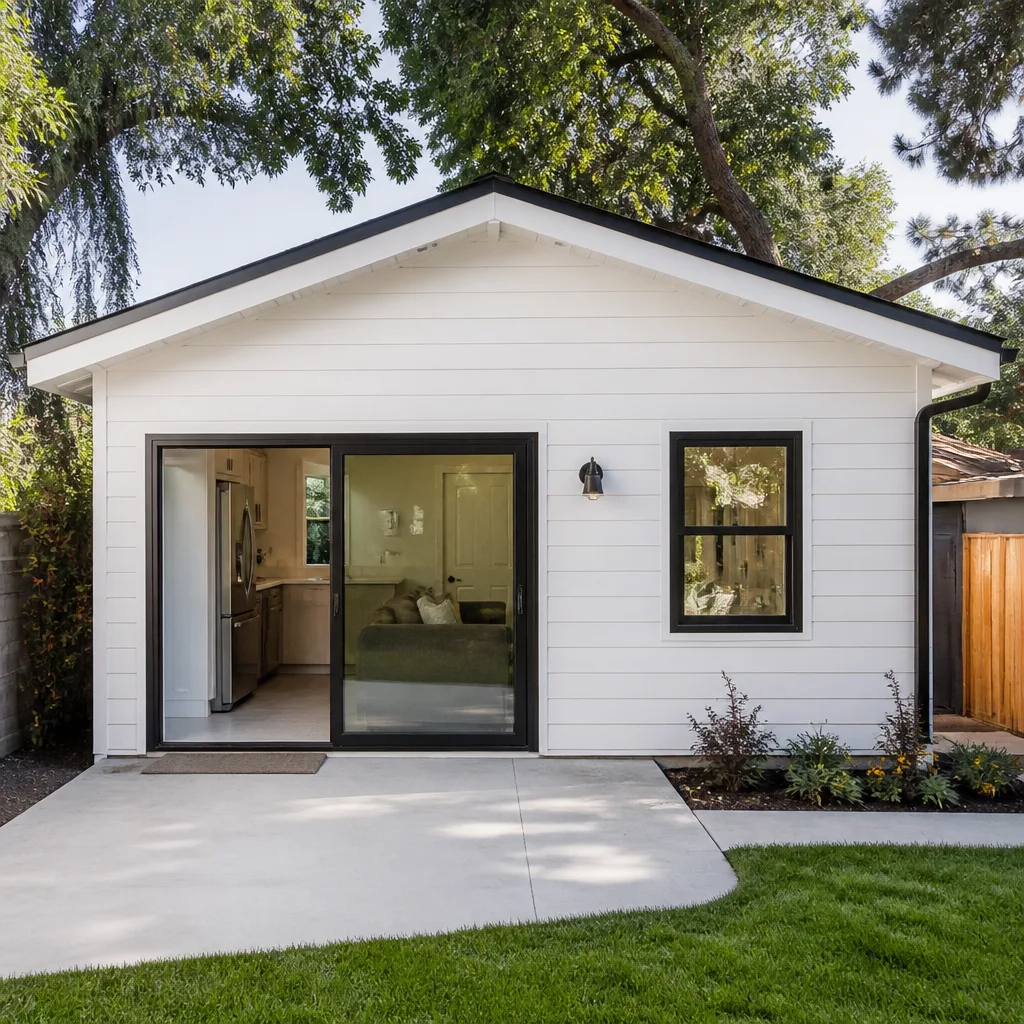
Atlas home additions and ADUs come in three common configurations: attached single-story additions, detached ADUs with a slab-on-grade foundation, and garage conversions that Atlas framed as living space. Each uses different structural tie-in hardware, so the first thing we do on any West Covina call is identify what’s actually holding the addition to the rest of the house.
Here’s the compatibility gotcha most people miss: Atlas additions built before roughly 2015 often used galvanized strap ties at the roofline, while newer ones switched to powder-coated framing connectors rated for higher uplift. You can check this yourself by looking in the attic above the addition. If you see dull gray metal straps with visible surface rust, that’s the older generation. The newer connectors have a matte black or gray coating and a stamped model number on the face. Getting this right matters because the powder-coated versions have a different hole pattern, which means the retrofit isn’t a one-for-one swap.
OEM versus aftermarket: for Atlas structural hardware, we recommend OEM or direct-equivalent Simpson Strong-Tie connectors. The aftermarket bargain versions we’ve seen at a few box stores use thinner gauge steel, and in West Covina’s hot summers with attic temperatures regularly hitting 130°F-plus, thinner metal expands and contracts more, which accelerates the loosening that causes those hairline cracks to return. When we install, you get the right spec, not the convenient one. For non-structural finishes like baseboard, casing, and interior trim around Atlas additions, quality aftermarket is fine and saves real money.
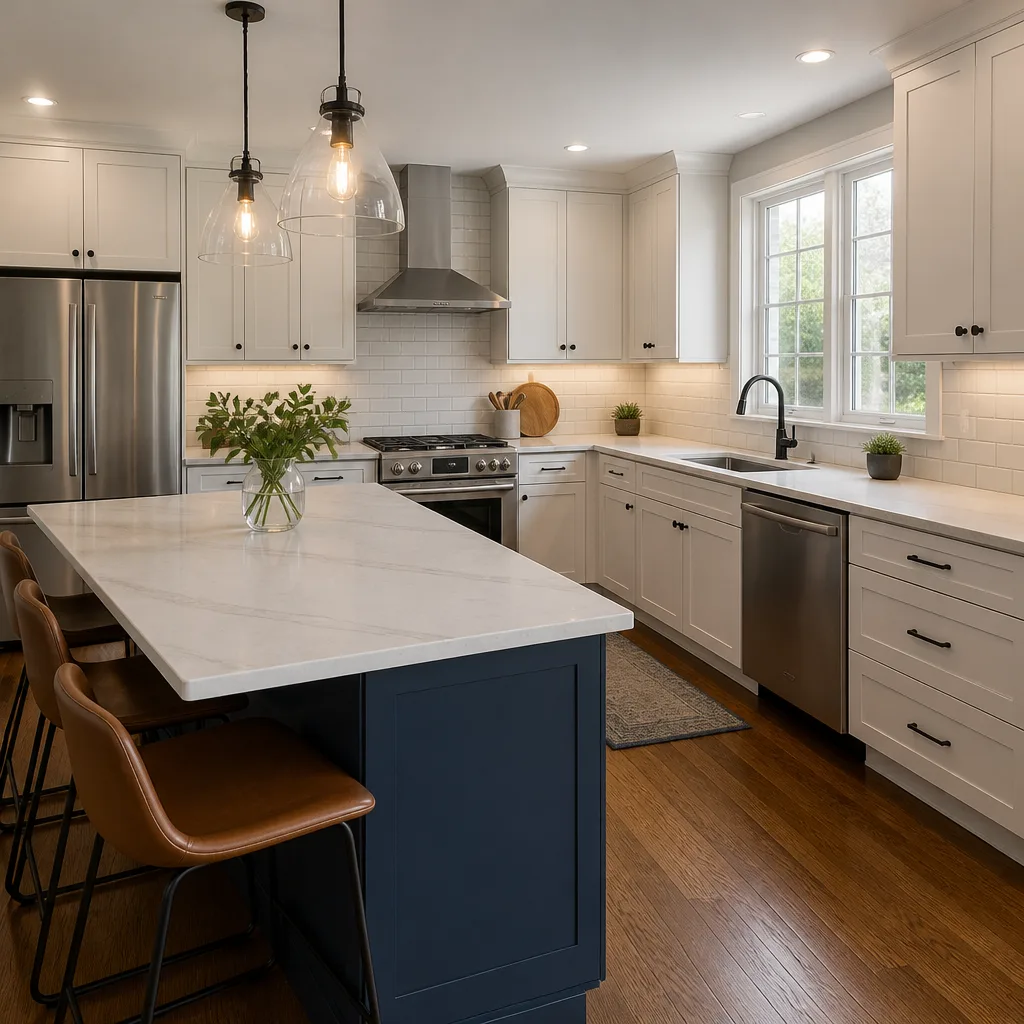
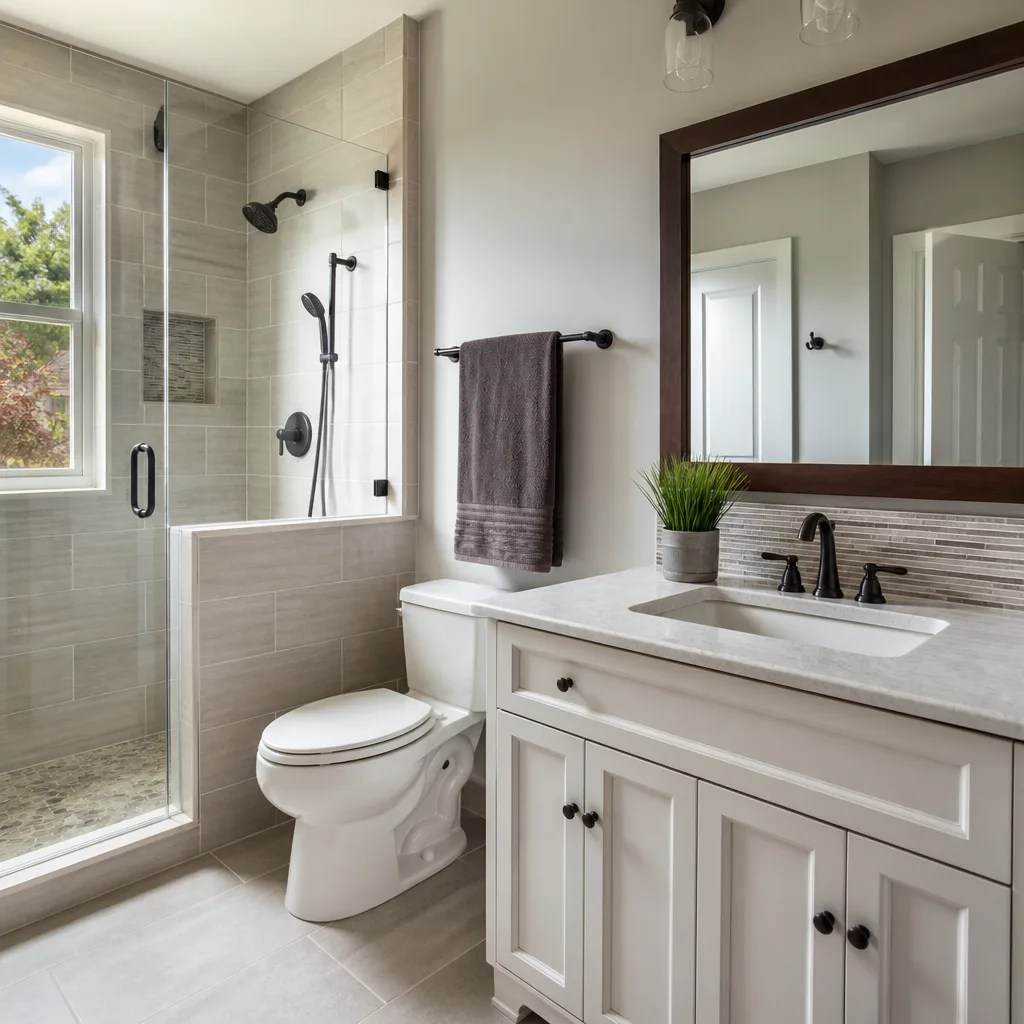
We’re an independent West Covina contractor, not an Atlas dealer or affiliate. That means we carry what actually works across multiple brands, including hardware and finish components that pair well with KraftMaid cabinetry, Cambria, or Silestone surfaces if your addition includes a kitchenette or bath.
Styles & brands we work with
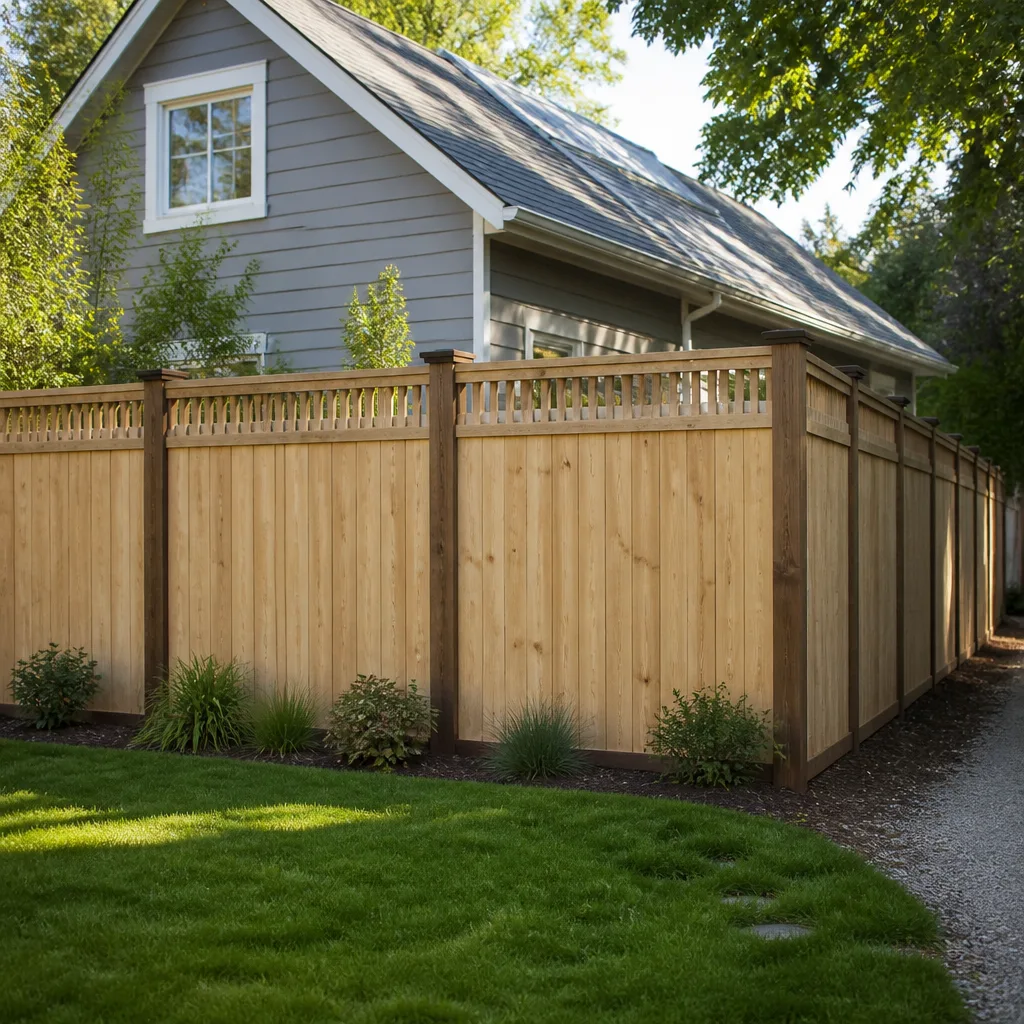
Signs Your Atlas Home Additions & ADU Is Failing
- Stair-step cracks at interior corners of the addition. This is usually differential settlement, which means the addition’s foundation is moving at a different rate than the main structure. In West Covina’s clay-heavy soil, this is the single most common atlas addition failure we see. The fix often starts with a foundation inspection, not drywall patch.
- Doors inside the addition that stick or won’t latch. When an addition settles, the door frames rack slightly. What looks like a humidity issue is often the first sign that the floor system under the addition is deflecting. This one is worth checking sooner rather than later.
- A visible gap opening at the seam where the addition meets the original house. This is the roofline or wall tie-in failing. If you can see daylight through the gap or feel air moving, the flashing and possibly the structural connection need immediate attention. Rain intrusion through that seam causes rot fast.
- Musty smell or staining on the ceiling of the addition. In West Covina, where we get occasional heavy winter rains followed by long dry stretches, a failed roof flashing at the addition’s tie-in point lets water in slowly. By the time you smell it, the sheathing underneath is likely already compromised.
- Floors that feel springy or squeak louder than they used to. An Atlas addition with pier-and-beam foundations can develop loose connections over time. This can mean a failed joist hanger or a sill plate that’s losing its anchor. It’s not just annoying, it’s the structural warning your floor system is losing load transfer.
See the difference
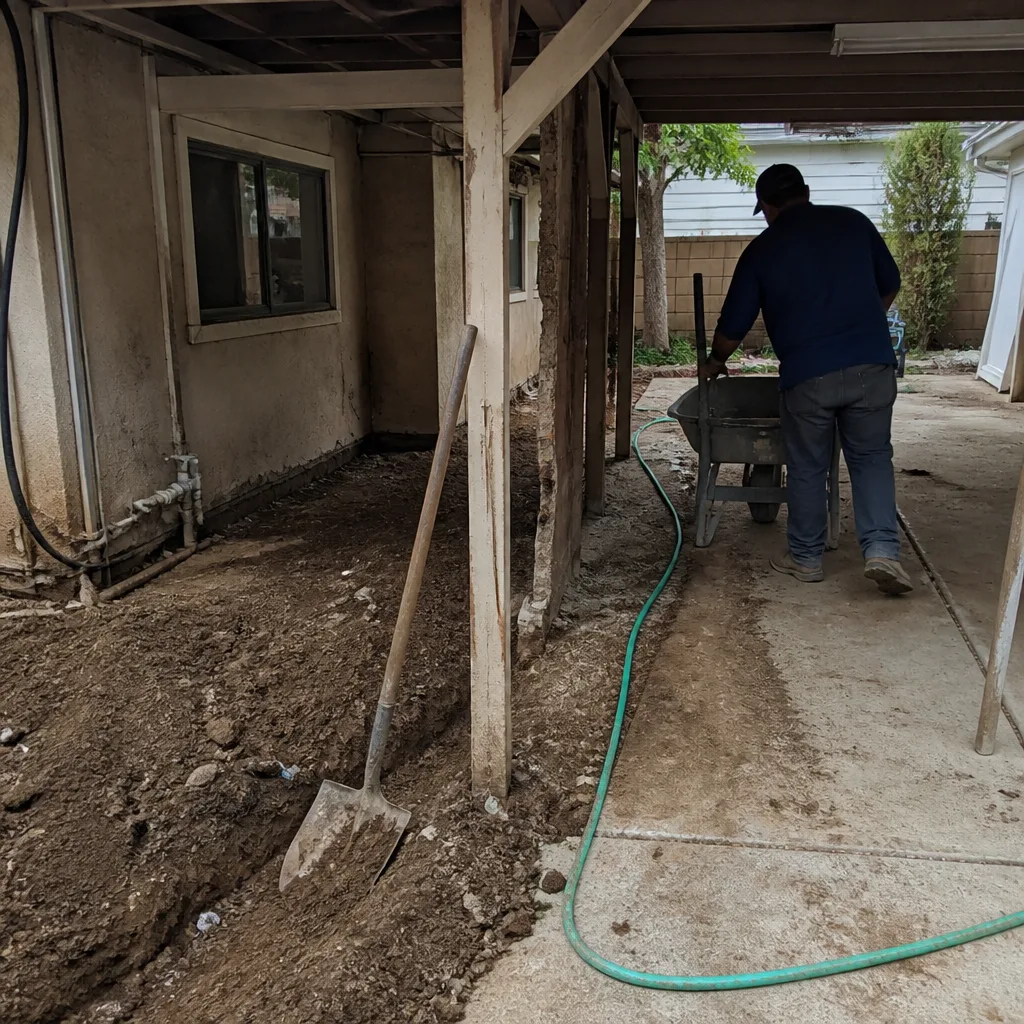 Before
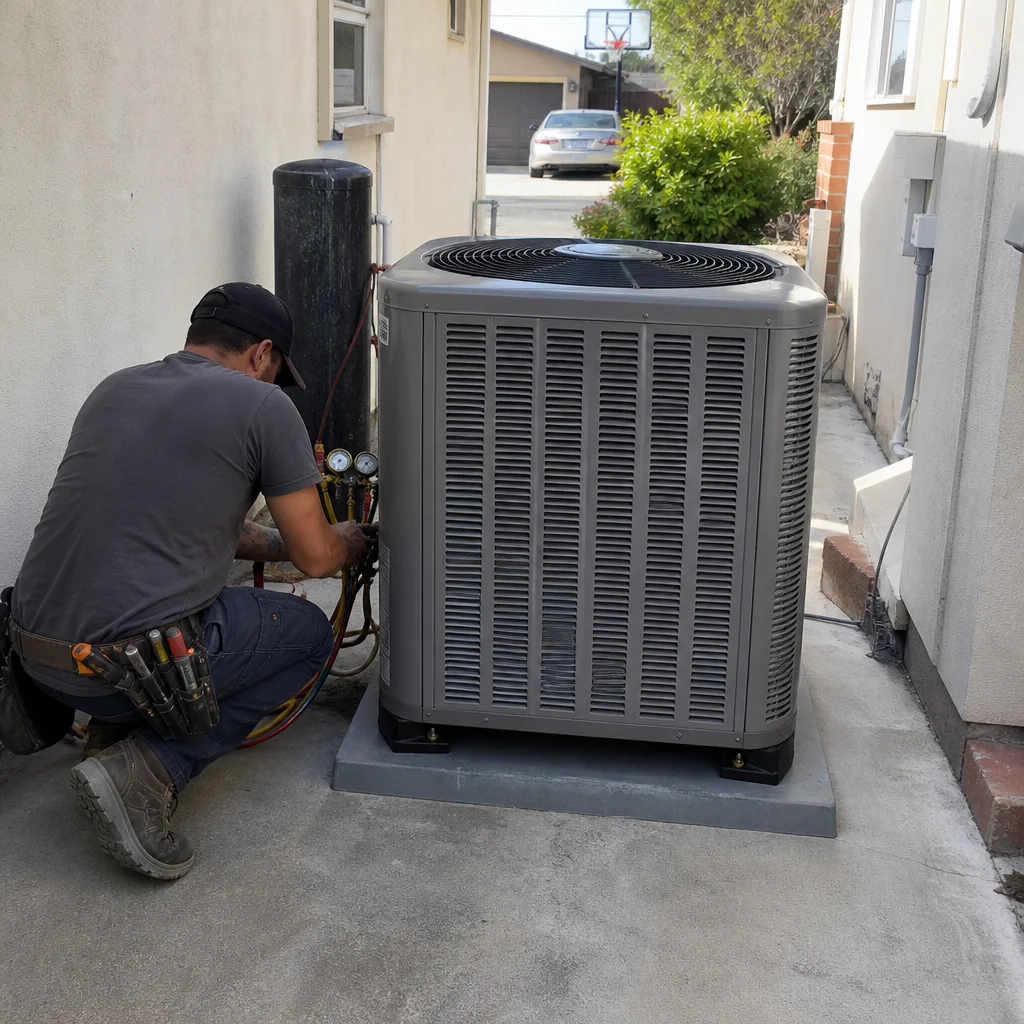 After
After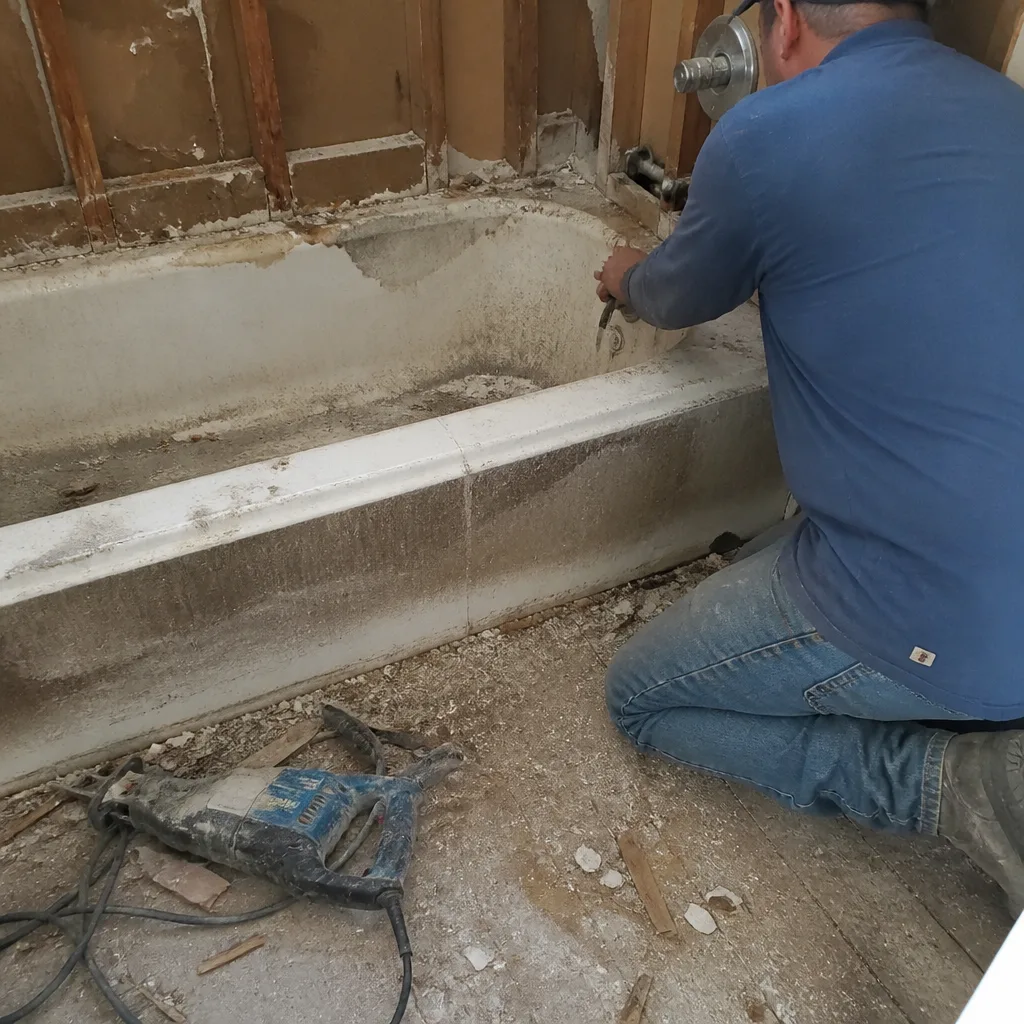 Before
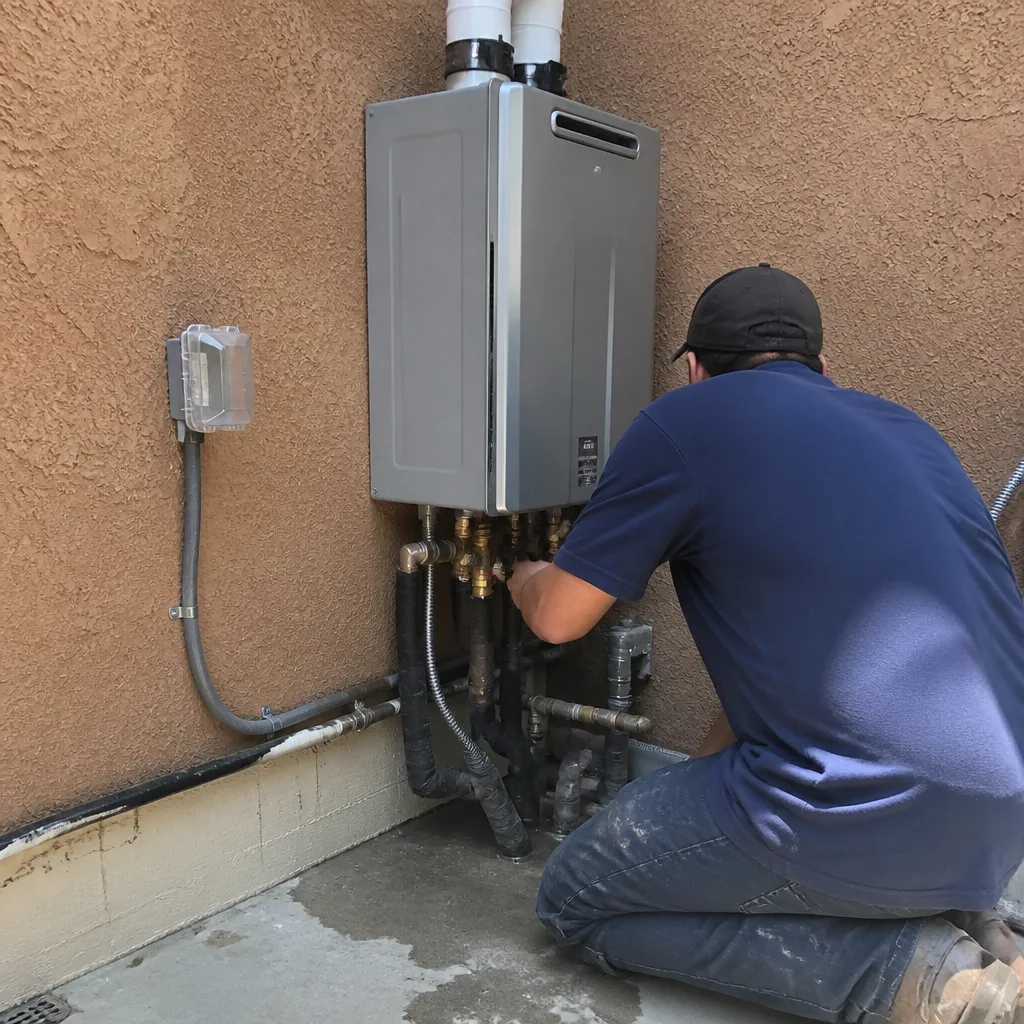 After
After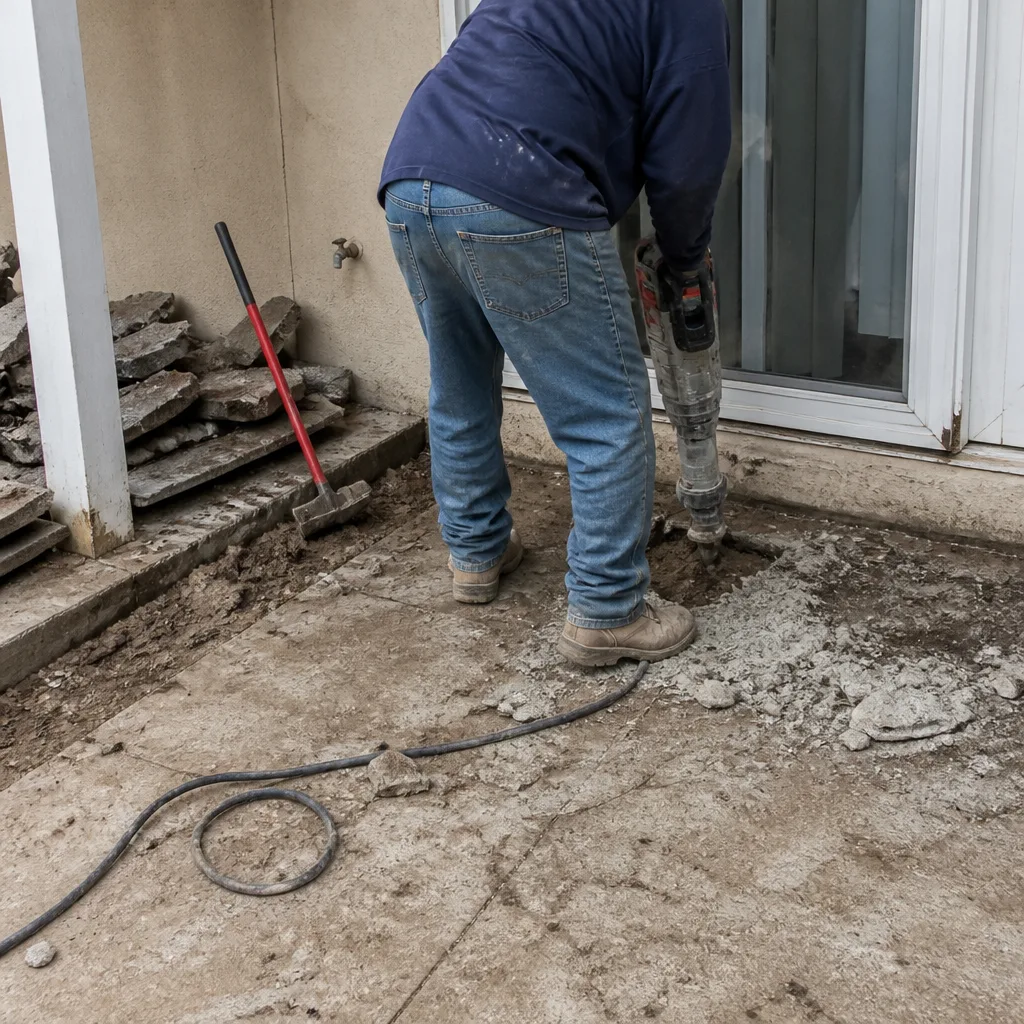 Before
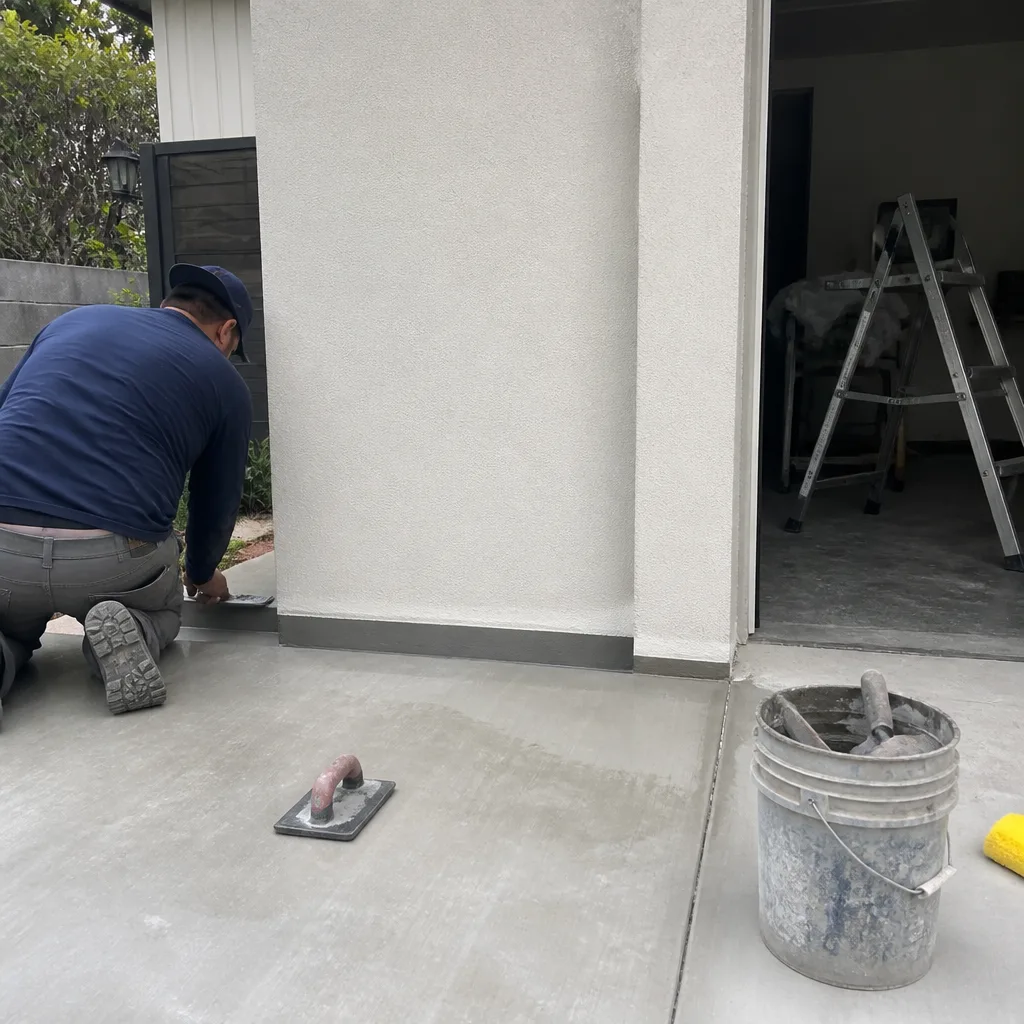 After
AfterReplacement Cost & What’s Included
You should know what you’re getting before we ever pick up a tool. In West Covina, full home addition replacement work runs $45,000 – $130,000 depending on scope. But the more common call we get is a failed component, not a full teardown. Re-flashing and resealing an addition-to-house tie-in typically lands in the $2,500 – $8,000 range. Replacing failed framing connectors and doing localized structural repair runs $6,000 – $20,000 depending on how many connections failed and whether we’re working from the attic or opening walls.
That written price includes parts, labor, disposal, and any permit work. We deliver a written quote before we start, and that’s the price you pay. No surprise invoices. Every job we complete in West Covina carries our 365-Day Done Right Promise: if something we installed isn’t right within a year of the completion date, we come back and fix it at no cost to you.
DIY or Call Us?
Some checks are safe for any homeowner. Walk the perimeter where the addition meets the main house and look for gaps, cracks, or a flashing that’s pulled away. Go into the attic above the addition with a flashlight and look for rusted metal straps, water stains on the underside of the roof sheathing, or nails that have backed out. Those observations help you and us know what we’re likely dealing with before we even schedule the visit.
What you should not do is attempt structural repairs yourself. The tie-in between an addition and the original structure is load-bearing. When you loosen the wrong connection or bolt a replacement in with the wrong fastener, you’re changing how weight transfers through the building. That’s how a simple repair becomes a big failure. The same goes for any work that opens the roofline seam: one wrong move on a ladder with flashing and sealant and you’re looking at a leak that does more damage than the original problem. Call (707) 760-7579. We’ll put eyes on it, give you a written diagnosis, and a written price.
FAQs
A properly built Atlas addition should last 50 years or more structurally, with the tie-in flashing and sealants needing replacement every 15 – 20 years in our climate. West Covina’s combination of hot, dry summers and occasional heavy rain cycles ages sealants faster than coastal areas, so if your addition is between 15 and 25 years old and you’re seeing cracks, it may simply be time for maintenance rather than major structural work. Call (707) 760-7579 and we’ll tell you which one you’re looking at.
In most cases the failed tie-in can be repaired without rebuilding the addition. We remove the old flashing, inspect the framing underneath, replace any rotted lumber, install new connectors if needed, and reseal properly. Full structural replacement is only necessary when the failure has gone on long enough to compromise the load path, which is why earlier diagnosis costs less. Get a free estimate at (707) 760-7579.
Most tie-in flashing and localized framing repairs take one to three working days. A full structural retrofit with multiple connections and permit inspections can run one to two weeks. We’ll give you a schedule in writing with your quote, and we hold to it. If the scope is bigger than expected, you’ll know before we start.
We carry the common Atlas-compatible powder-coated framing connectors, galvanized strap ties, flashing rolls, and structural fasteners on the truck. Specialty items like a specific Simpson Strong-Tie model with an uncommon load rating get ordered and arrive within a few days from our West Covina suppliers. Either way, we don’t start the clock until the parts are in hand.
If your Atlas addition or ADU in West Covina is showing warning signs, call (707) 760-7579. We’ll schedule a visit, inspect the problem, and hand you a written price before any work starts. That’s how we’ve done it since 2004, and that’s how we’ll do it on your job.
Written by Isaac Pruett, Owner, Mason Remodeling Co West Covina at Mason Remodeling Co West Covina, serving West Covina and nearby areas.